
Traditional Chinese Festivals Guide
Explore the major traditional Chinese festivals throughout the lunar calendar year, from Qingming to Mid-Autumn Festival.
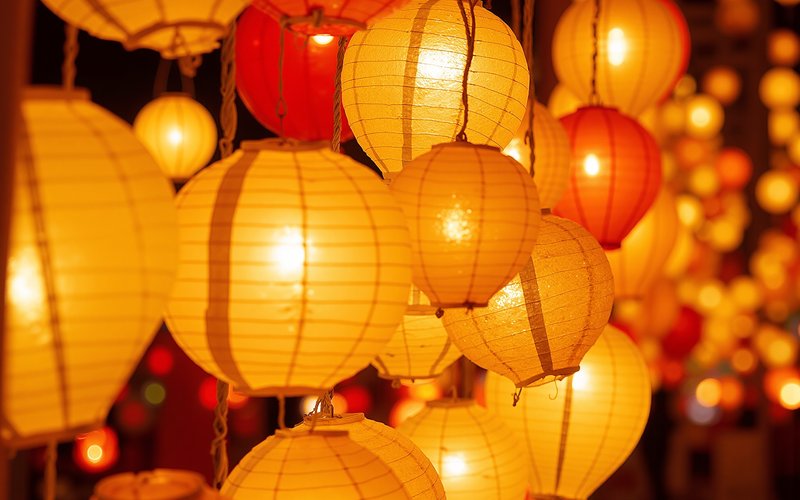
Lantern Festival (15th Day of 1st Lunar Month)
Marking the end of Chinese New Year celebrations, the Lantern Festival features colorful lantern displays, riddle-solving, and tangyuan (sweet rice balls). In cities like Zigong and Taipei, elaborate lantern fairs attract millions. The festival celebrates the first full moon of the lunar year and symbolizes family reunion and completeness.
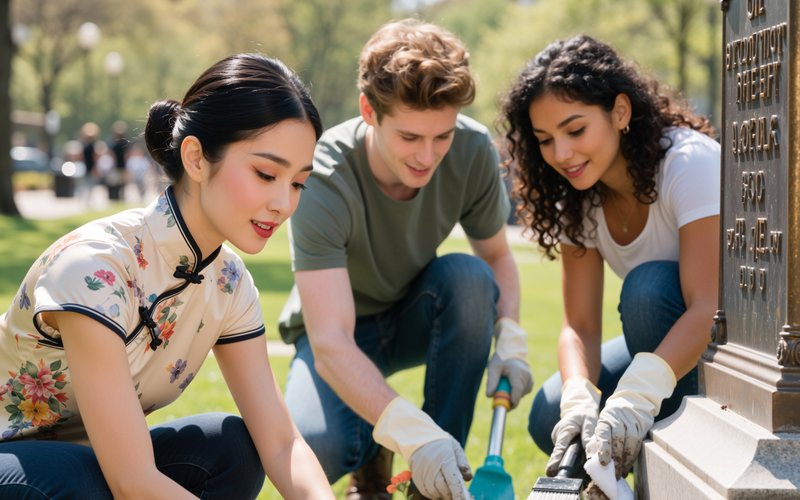
Qingming Festival (April)
Also known as Tomb-Sweeping Day, Qingming is when families visit ancestral graves to clean them, offer food and incense, and pay respects. It usually falls in early April. The festival also celebrates the arrival of spring, with traditions like spring outings (taqing) and flying kites. It's a public holiday in mainland China.
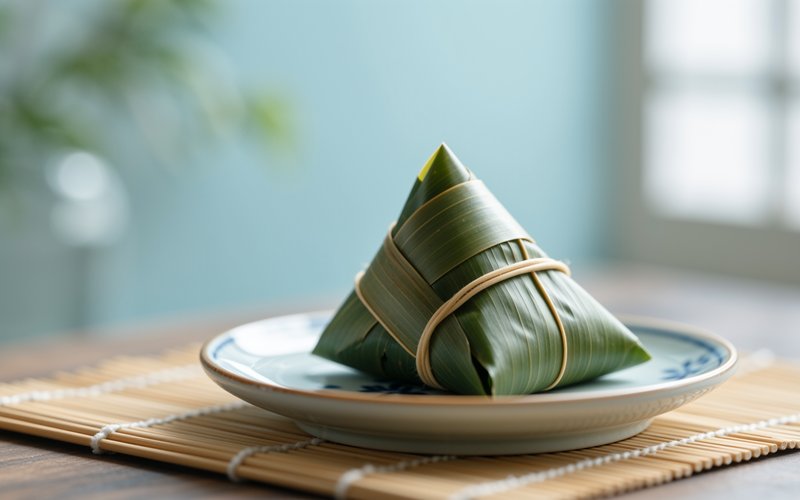
Dragon Boat Festival (5th Day of 5th Lunar Month)
Commemorating the poet Qu Yuan (340-278 BC), this festival features dragon boat races and zongzi (sticky rice dumplings wrapped in bamboo leaves). Teams of rowers paddle elaborately decorated dragon boats to the rhythm of drums. The festival also involves hanging mugwort and drinking realgar wine to ward off evil.
Mid-Autumn Festival (15th Day of 8th Lunar Month)
The second most important festival after Chinese New Year, Mid-Autumn Festival celebrates the harvest moon. Families gather to admire the full moon, eat mooncakes (round pastries with various fillings), and light lanterns. The round shape symbolizes family unity. In 2026, it falls on September 25.
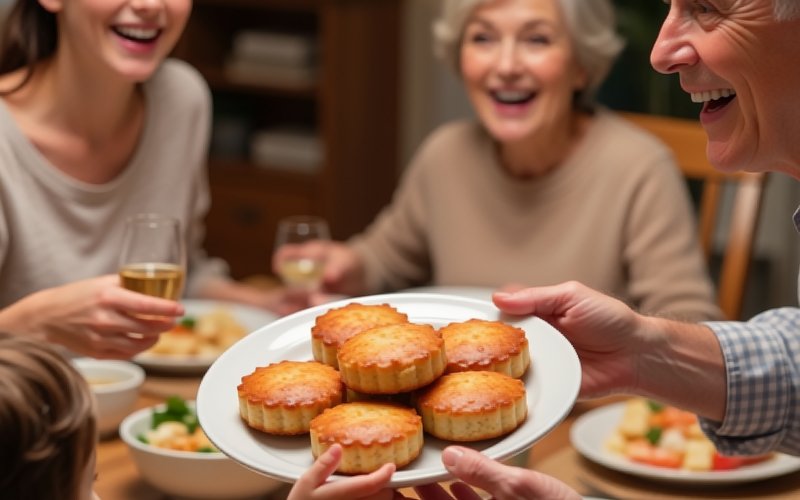
Double Ninth Festival (9th Day of 9th Lunar Month)
Also called Chongyang Festival, this day is associated with climbing mountains, drinking chrysanthemum wine, and wearing zhuyu (a medicinal plant). It's also recognized as Senior Citizens' Day in modern China. The number nine is associated with yang energy, and the double nine is considered particularly auspicious.
Quick Facts
- • Each festival has specific traditional foods
- • Dragon boat racing has been recognized as intangible cultural heritage
- • Mooncakes come in regional varieties: Cantonese, Suzhou, and Beijing styles
- • Many festivals are public holidays in China
- • The lunar calendar means festival dates change each year
Experience This in Person
Our tours include authentic cultural experiences — tea ceremonies, cooking classes, kung fu shows, and more.
Plan My Cultural Journey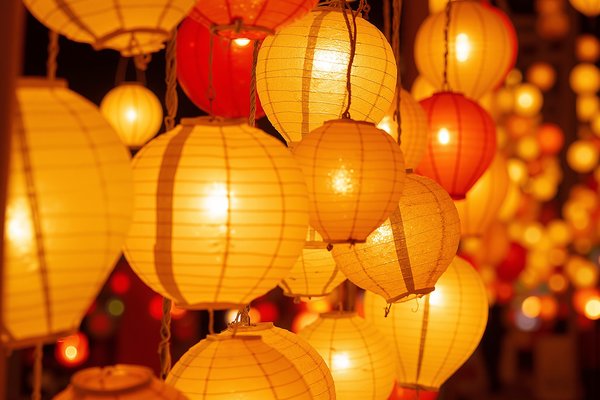
Experience Chinese Culture in Person
From tea ceremonies and calligraphy workshops to Shaolin kung fu and palace visits — our private tours bring these traditions to life.