
Tea Horse Road Travel Guide
The Tea Horse Road was an ancient trade route connecting Yunnan and Sichuan to Tibet, trading tea for horses for over a thousand years.
Featured Tour in Tea Horse Road
View All Tours →About Tea Horse Road
The Tea Horse Road (Chama Gudao) is one of Asia's most ancient trade routes, predating the Silk Road in southwestern China. For over a millennium, caravans of porters and mules carried bricks of Pu'er tea from the tea mountains of Yunnan across the Himalayas to Lhasa, returning with Tibetan warhorses. The route passes through some of China's most spectacular and culturally diverse landscapes, from the tea plantations of Xishuangbanna to the Tibetan plateau.
Why Visit Tea Horse Road?
Top Attractions in Tea Horse Road
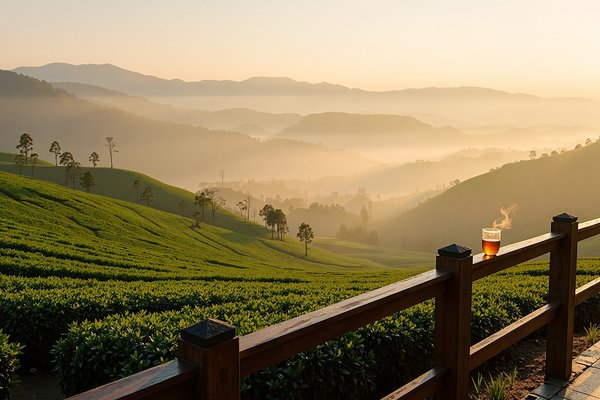
Pu'er Tea Mountains
The ancient tea gardens of Yunnan where Pu'er tea has been cultivated for centuries. Visit local tea farmers and taste fresh tea.

Lijiang Old Town
A UNESCO World Heritage site and major stop on the Tea Horse Road, where Naxi traders once gathered to exchange tea and horses.
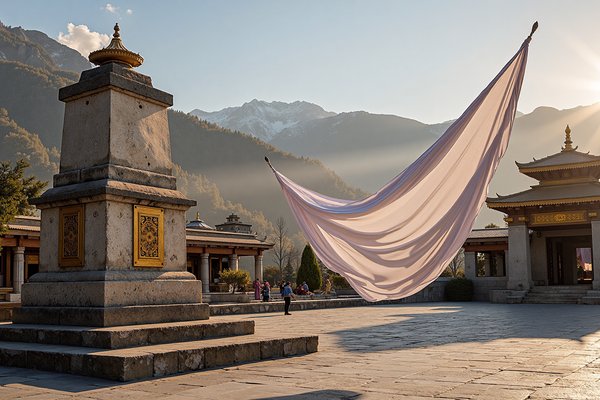
Shangri-La
The northern terminus of the Tea Horse Road in Yunnan, a Tibetan-influenced town with the great Songzanlin Monastery.

Tiger Leaping Gorge
One of the world's deepest gorges, carved by the Yangtze River along the Tea Horse Road route.
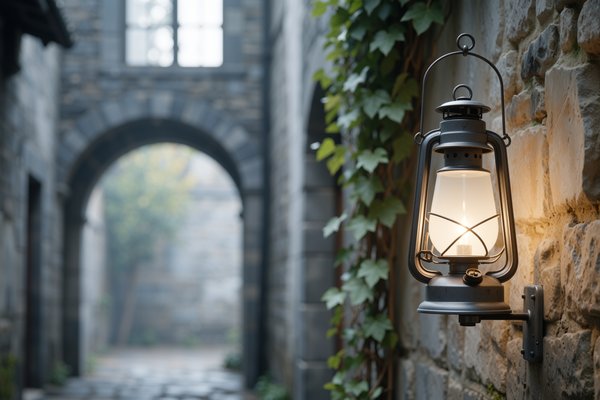
Benzilan Tea-Horse Relay Station
A preserved ancient relay station where tea caravans rested on the long journey to Tibet.
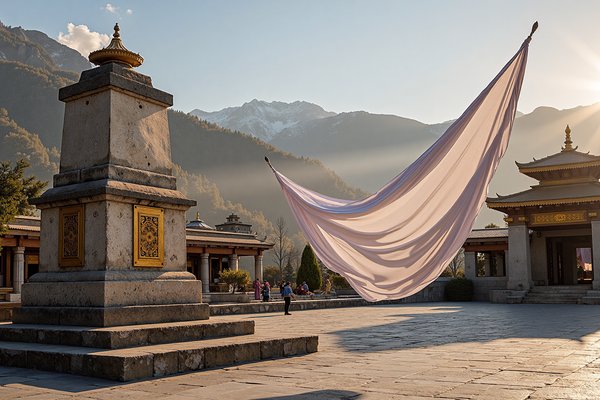
Songzanlin Monastery
The largest Tibetan Buddhist monastery in Yunnan, modeled after the Potala Palace, a key spiritual stop on the route.
Local Food in Tea Horse Road
Tea Horse Road at a Glance
- Country
- China (People's Republic of China)
- Best time to visit
- March-May and September-November. Spring offers fresh tea harvest and blooming flowers, while autumn provides clear skies and comfortable temperatures.
- Getting there
- Fly to Kunming or Lijiang to start. High-speed rail connects Kunming to Dali and Lijiang. Regional flights connect Lijiang and Shangri-La.
- Top highlights
- Ancient Trade Route, Tea Culture, Ethnic Minorities
- Local cuisine
- Pu'er Tea, Yak Meat Hotpot, Naxi Flatbread
Getting Around Tea Horse Road
Fly to Kunming or Lijiang to start. High-speed rail connects Kunming to Dali and Lijiang. Regional flights connect Lijiang and Shangri-La.
Travel Tips for Tea Horse Road
- Try fresh Pu'er tea at a mountain garden
- Acclimatize in Shangri-La (3,200m)
- Hike Tiger Leaping Gorge for 2 days
- Visit Naxi families in Lijiang
- Carry layers for mountain temperature changes
Tea Horse Road Travel Guide
Tea Horse Road Journey Planning
The Tea Horse Road (Chama Gudao) is an ancient trade route connecting the tea mountains of Yunnan to Lhasa, Tibet. A 7-10 day journey follows the route from south to north: Days 1-2: Xishuangbanna/Pu'er tea mountains (visit ancient tea gardens, taste fresh Pu'er tea). Days 3-4: Dali (Erhai Lake, Three Pagodas, ancient city). Days 5-6: Lijiang (Old Town, Naxi culture, Tea Horse Road museum). Day 7: Tiger Leaping Gorge (hike the high trail). Days 8-9: Shangri-La (Songzanlin Monastery, Pudacuo National Park). Days 10-11: Continue to Deqin (Meili Snow Mountain) and on to Tibet. The route passes through China's most culturally diverse landscapes, from tropical tea plantations to Tibetan plateau. The best seasons are March-May (tea harvest) and September-November (clear skies).
Pu'er Tea Mountains
The tea mountains of southern Yunnan (Xishuangbanna and Pu'er) are where Pu'er tea has been cultivated for over 1,700 years. The most famous "Six Great Tea Mountains" include Yibang, Mansa, and Youle. Visit a tea garden to see ancient tea trees (some over 800 years old), learn the tea-making process (sun-drying, rolling, and fermenting), and taste fresh tea with the farmers. The Pu'er Tea Museum in Ning'er covers the history of the Tea Horse Road and tea culture. For the best experience, arrange a homestay with a tea farming family (through a local agency) — you'll participate in tea picking, processing, and a traditional tea ceremony. Spring (March-April) is the tea harvest season; this is when the freshest, most valuable tea (Mingqian) is produced. Buy tea directly from farmers or reputable shops; avoid tourist-trap tea markets.
Ancient Tea Horse Relay Stations
Along the Tea Horse Road, ancient relay stations (马站) where tea caravans rested still survive as small villages. Shaxi, between Dali and Lijiang, is the best-preserved Tea Horse Road market town — a UNESCO-recognized site with a 600-year-old market square, ancient theater stage, and stone bridges. Visit on Friday for the traditional market where local ethnic minorities trade goods. Other relay stations include Benzilan (on the Yangtze River, with a preserved caravanserai), Nuodeng (a salt-producing village with ancient wells), and Pengzhou (with Tea Horse Road museum exhibits). The old stone paths of the Tea Horse Road are still visible in some sections, particularly between Shaxi and Lijiang. Hiking these ancient paths offers a tangible connection to the caravans that carried tea across the Himalayas for a thousand years.
Naxi and Tibetan Culture Along the Route
The Tea Horse Road passes through the homelands of multiple ethnic minorities. In Lijiang, the Naxi people created the world's last living hieroglyphic script (Dongba), used by shamans for religious rituals. The Dongba Culture Museum in Lijiang preserves these ancient texts. The Naxi Ancient Music performance features musicians playing centuries-old instruments and Tang dynasty melodies. In Shangri-La, Tibetan culture dominates — visit Songzanlin Monastery (the "Little Potala"), try yak butter tea and tsampa, and walk the pilgrimage circuit around the monastery. In the Deqin region, the Khampa Tibetan culture is distinct from Lhasa Tibetan — the people are known for their horsemanship, elaborate traditional dress, and fierce independence. The Meili Snow Mountain (Kawagarbo, 6,740m) is the holiest mountain in Tibetan Buddhism outside Tibet; pilgrims circumambulate the mountain in a 7-day kora.
Tiger Leaping Gorge and Mountain Scenery
Tiger Leaping Gorge, where the Yangtze River thunders between Jade Dragon and Haba Snow Mountains, is one of the world's deepest gorges (3,790m from river to peak). The 2-day high trail hike is the best way to experience it — follow the path that tea caravans once used along the upper rim. The trail passes through Naxi villages, walnut groves, and dramatic cliff-side paths with vertigo-inducing drops to the roaring river below. The 28 Bends section is the most challenging. Stay overnight at Halfway Guesthouse for the sunrise view over the gorge. Beyond the gorge, the route to Shangri-La passes through the Haba Snow Mountain area (5,396m, a popular climbing peak) and the Baishuitai terraces (white mineral terraces resembling a mini Pamukkale). The drive from Lijiang to Shangri-La is one of China's most scenic mountain roads.
Getting to Tea Horse Road
By Air
Kunming Changshui Airport (KMG) is the main entry point, with flights from all major Chinese cities and international routes. Lijiang Sanyan Airport (LJG) has direct flights from Beijing, Shanghai, Chengdu, and Kunming. Shangri-La Airport (DIG) has flights from Kunming, Chengdu, and Lhasa. For the Pu'er tea mountains, fly to Kunming and take a bus or flight to Pu'er (SYM airport). For Xishuangbanna, fly to Gasa Airport (JHG) from Kunming (1 hour). For the southern tea mountains, flights are limited; buses or hired cars are the main transport.
By Train
High-speed rail connects Kunming to Dali (2 hours) and Lijiang (3.5 hours). A high-speed line to Shangri-La is under construction. For Pu'er and Xishuangbanna, conventional trains are available from Kunming (6-8 hours); flights are faster. For Shaxi (the best-preserved Tea Horse Road town), take a high-speed train to Dali, then a bus to Jianchuan and transfer to Shaxi. Book via 12306.cn. The train from Kunming to Lijiang passes through beautiful countryside and is recommended over flying.
By Bus
Buses connect all Tea Horse Road towns. Kunming to Dali (4-5 hours), Dali to Lijiang (3 hours), Lijiang to Shangri-La (4 hours), and Lijiang to Qiaotou (for Tiger Leaping Gorge, 2 hours). Buses to Shaxi depart from Lijiang or Dali via Jianchuan (3-4 hours). Buses to the Pu'er tea mountains depart from Kunming or Pu'er city. For the southern route (Xishuangbanna), buses from Kunming take 8-10 hours; flights are recommended. For the northern route (Deqin, Meili Snow Mountain), buses from Shangri-La take 4-5 hours on mountain roads.
Local Transport
In Lijiang, the old town is pedestrian-only; walk or take electric carts. In Dali, e-bike and bicycle rentals are ideal for the Erhai Lake loop. In Shangri-La, taxis are the main transport. For inter-town travel along the Tea Horse Road, a combination of high-speed rail (Kunming-Dali-Lijiang) and buses (Lijiang-Shangri-La, Lijiang-Shaxi) is the best approach. For the Tiger Leaping Gorge hike, take a bus from Lijiang to Qiaotou (2 hours). For the Pu'er tea mountains, hire a car with a driver from Pu'er city or Kunming (500-700 RMB/day). For remote Tea Horse Road villages, a 4WD with driver is essential.
Plan Your Trip to Tea Horse Road
If you are planning a trip to Tea Horse Road, please feel free to email us for a more precise itinerary. We can customize the tour route and activities according to your specific requirements.
Email Us for Custom ItineraryTea Horse Road Travel FAQ
What is the best time to visit Tea Horse Road?
What are the top attractions in Tea Horse Road?
How do I get to Tea Horse Road?
Quick Info
Best Time to Visit
March-May and September-November. Spring offers fresh tea harvest and blooming flowers, while autumn provides clear skies and comfortable temperatures.
Getting There
Fly to Kunming or Lijiang to start. High-speed rail connects Kunming to Dali and Lijiang. Regional flights connect Lijiang and Shangri-La.



Tours in Tea Horse Road
Private tours with dedicated guide, driver & vehicle
Classic Beijing & Xi'an 8 Days
Explore China's most iconic cities, from ancient capitals to modern metropolises
Golden Triangle 10 Days - Beijing, Xi'an, Shanghai
Experience the essence of Chinese civilization, from ancient capitals to modern skylines

Guilin & Yangshuo Landscape 6 Days
Cruise the Li River through poetic karst landscapes and idyllic countryside scenery
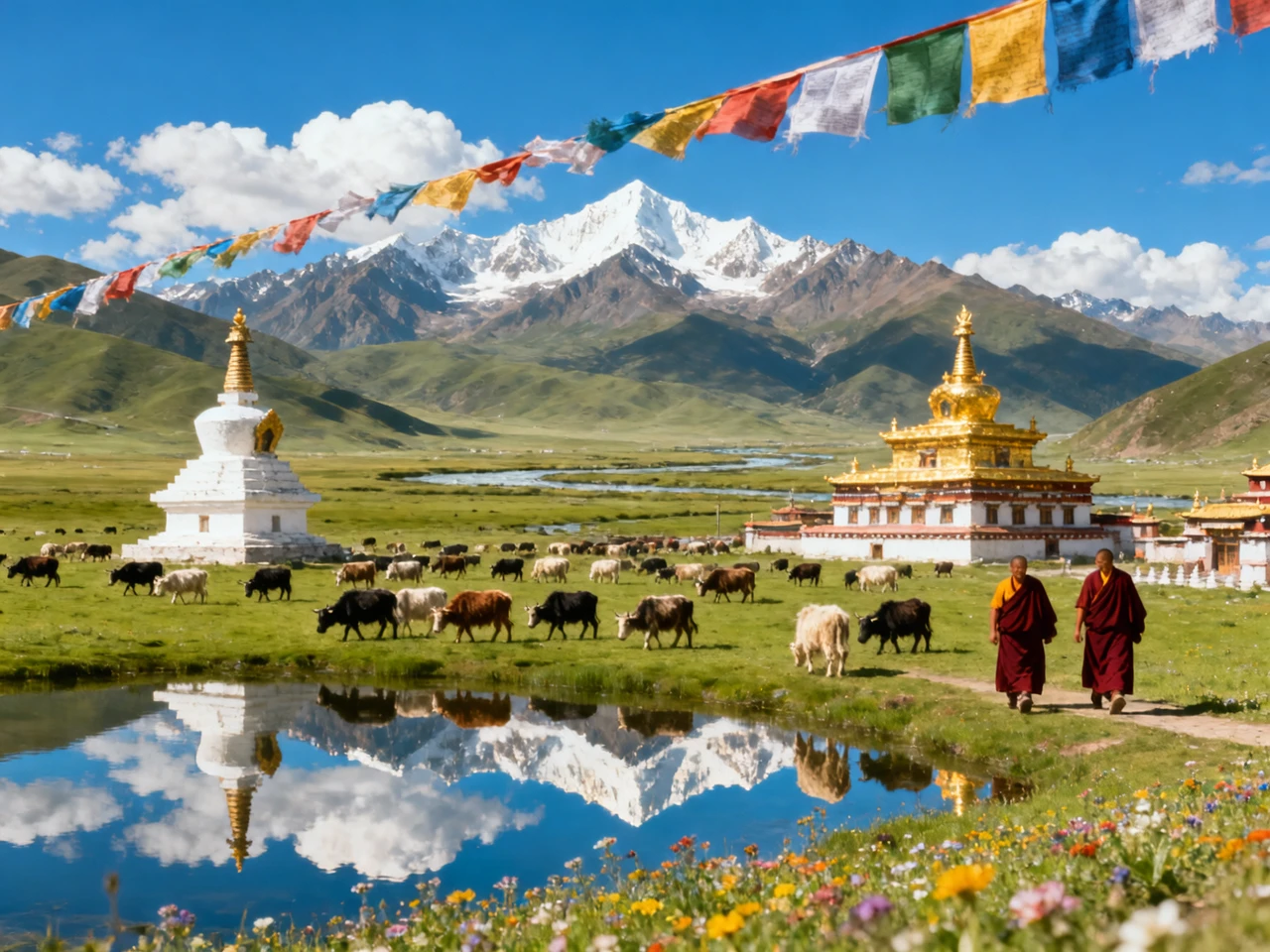
Tibet Adventure 12 Days
Journey to the Roof of the World, visit Potala Palace and witness Mount Everest
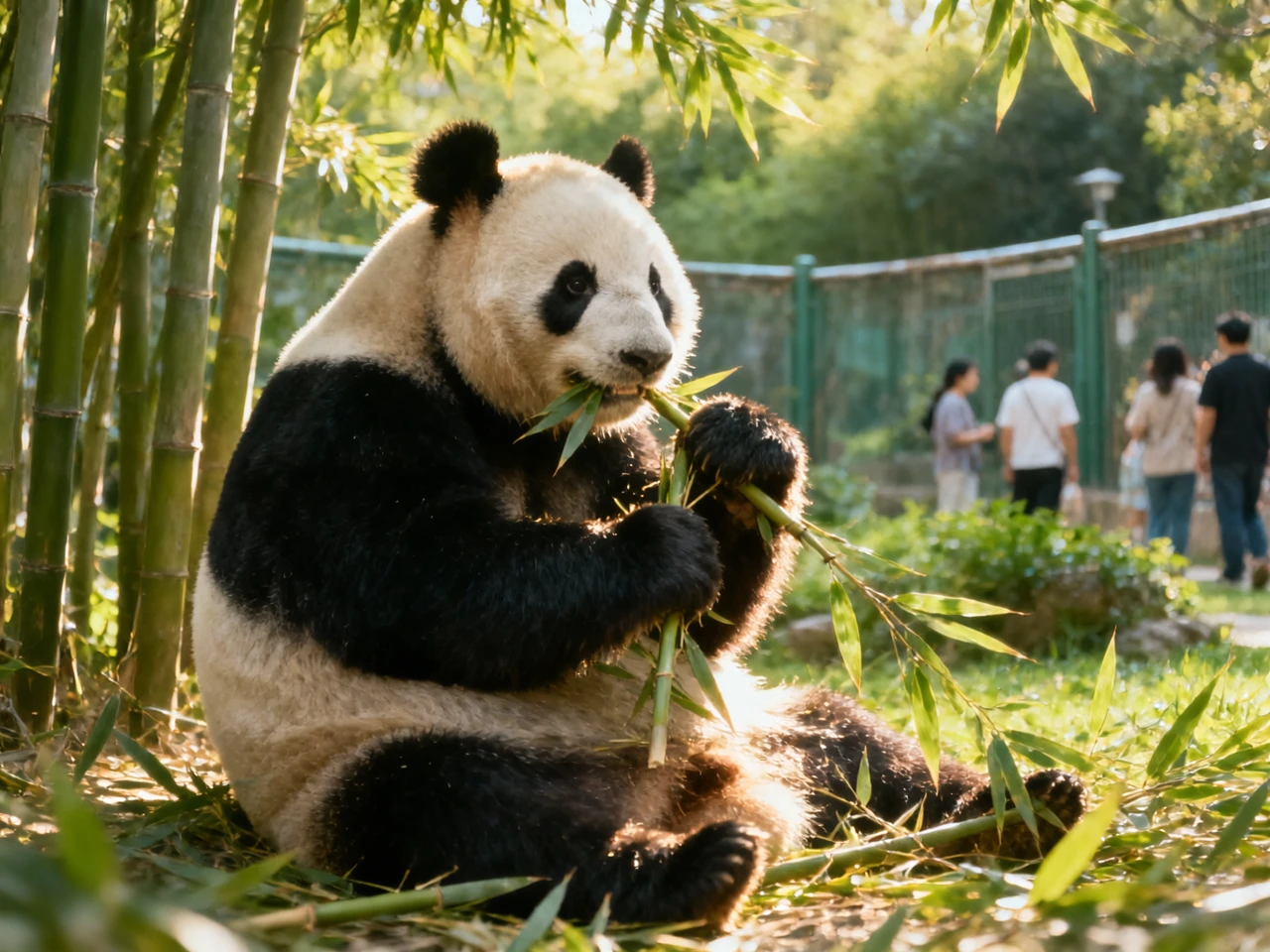
Chengdu Pandas & Zhangjiajie 9 Days
Meet giant pandas up close and marvel at the Avatar-inspired sandstone pillars
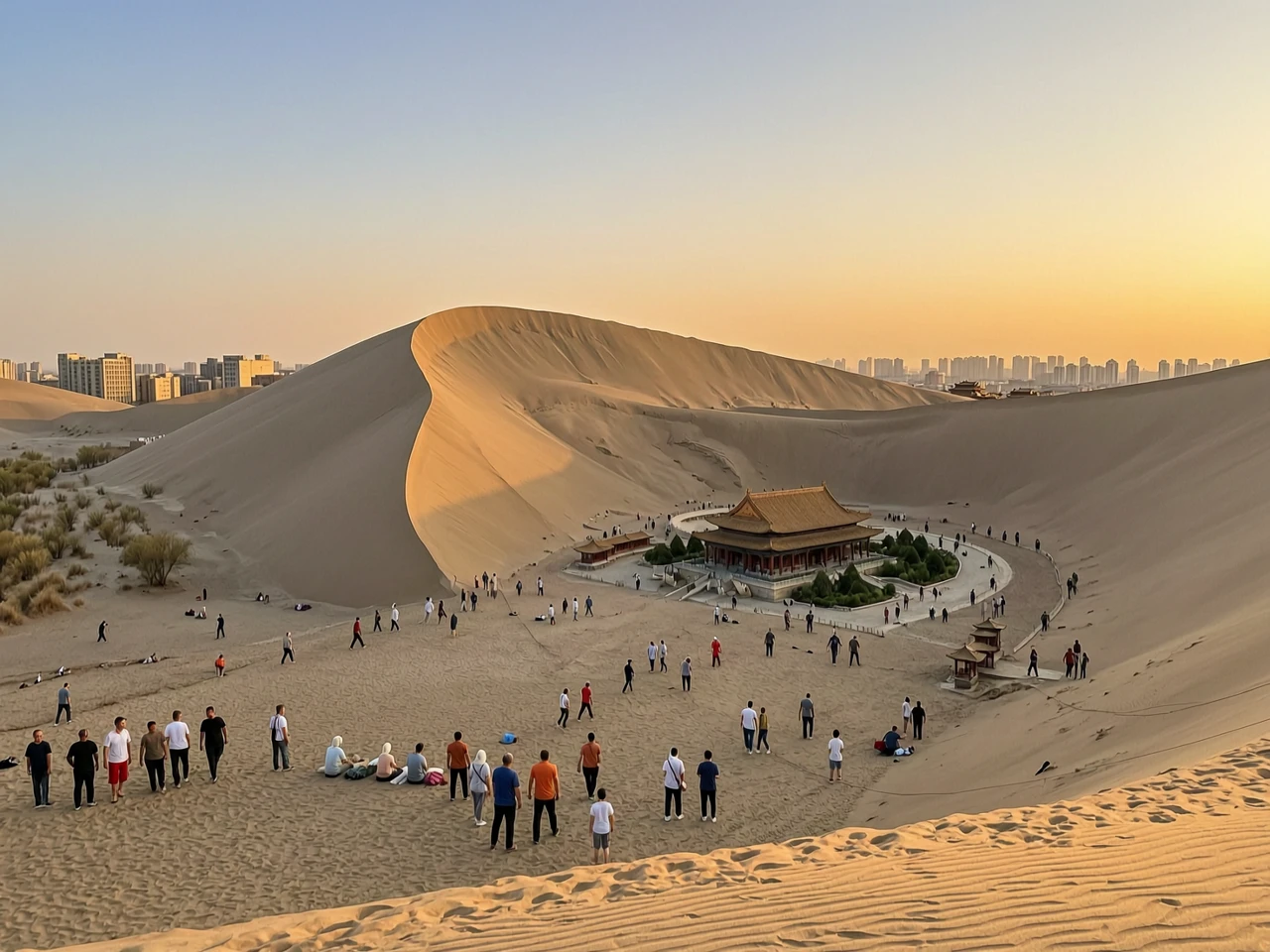
Silk Road Expedition 14 Days
Trace the ancient Silk Road, discover Mogao Caves and experience vast desert landscapes
About Tea Horse Road Travel
Tea Horse Road is one of China's most popular travel destinations. As a professional Tea Horse Road Travel Agency, QTour offers private Tea Horse Road tours with dedicated guides, drivers, and vehicles. Our Tea Horse Road travel packages cover Ancient Trade Route, Tea Culture, Ethnic Minorities, and more. Whether you're planning a Tea Horse Road city tour or combining Tea Horse Road with other Chinese destinations, our expert team will create the perfect itinerary for you.
Book your Tea Horse Road tour with QTour — a trusted Chinese travel agency with 25+ years of experience. One booking, one team: private guide, driver, and optional photographer. Contact us at info@qtour.net or WhatsApp.
Ready to Explore China?
Start planning your personalized journey with our expert team. Get a custom itinerary within 24 hours.