
Tibet Travel Guide
Tibet, the Roof of the World, offers spiritual monasteries, the Potala Palace, and the north face of Mount Everest.
Featured Tour in Tibet
View All Tours →About Tibet
Tibet is a land of soaring mountains, deep valleys, and ancient Buddhist traditions. At an average elevation of 4,500m, it's the highest region on Earth. Lhasa, the capital, is home to the iconic Potala Palace, the former winter residence of the Dalai Lamas. A journey to Tibet is as much a spiritual pilgrimage as a travel adventure.
Why Visit Tibet?
Top Attractions in Tibet
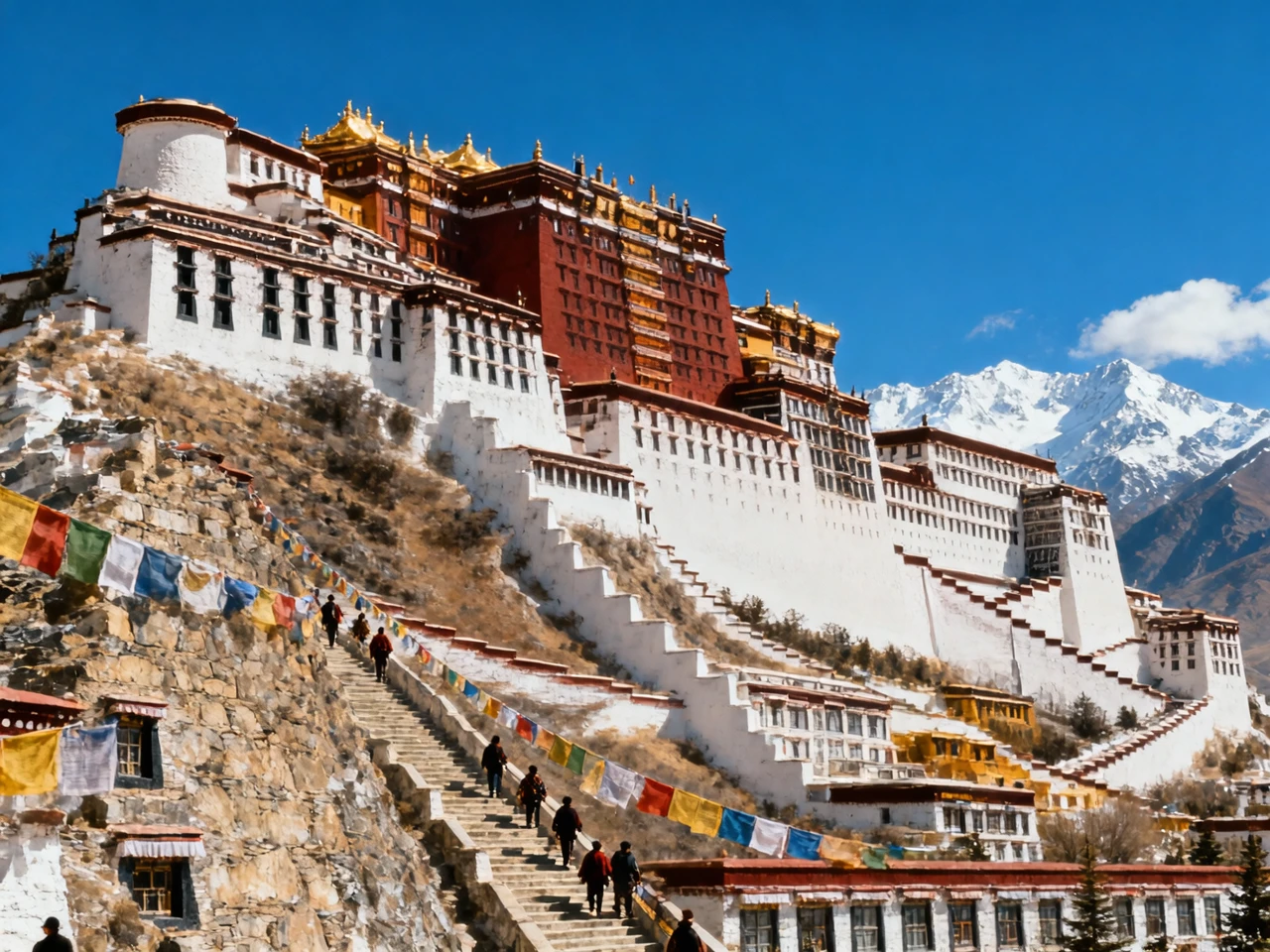
Potala Palace
The iconic 13-story palace atop Red Hill, with 1,000 rooms housing Buddhist art, scriptures, and stupas.
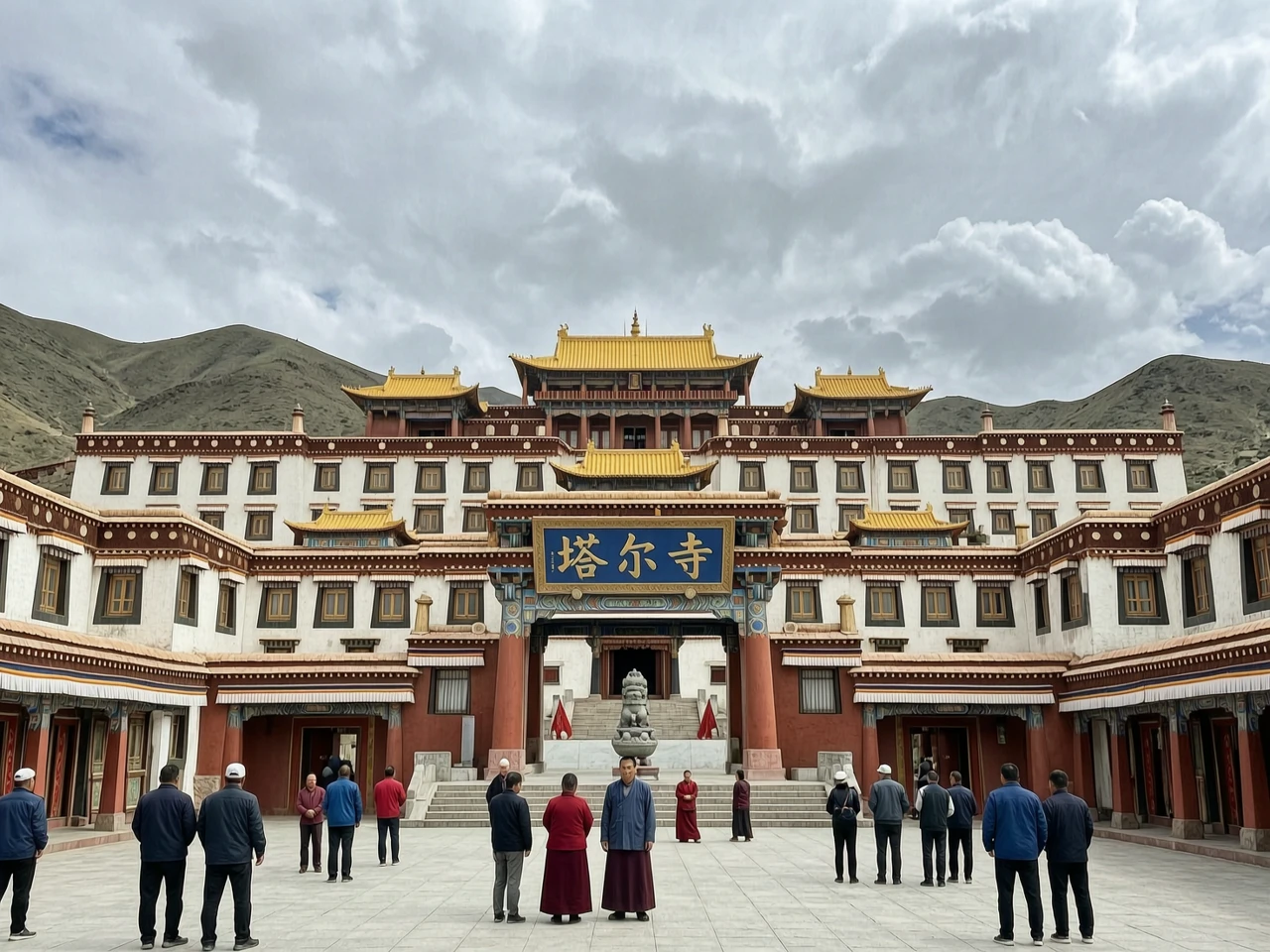
Jokhang Temple
Tibet's holiest temple, housing the Jowo Sakyamuni statue. Pilgrims circumambulate the temple daily.
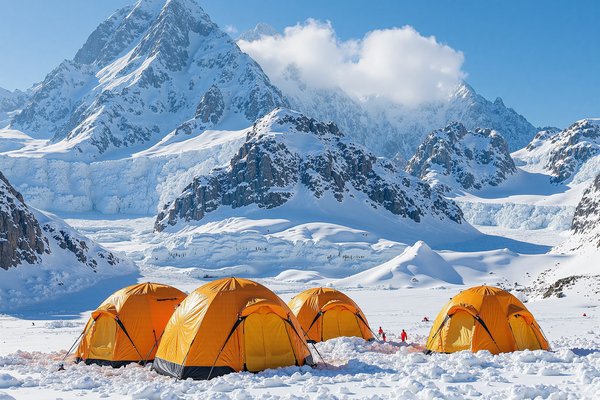
Everest Base Camp (North)
The Tibetan side of Everest, accessible by road, offering stunning views of the North Face.
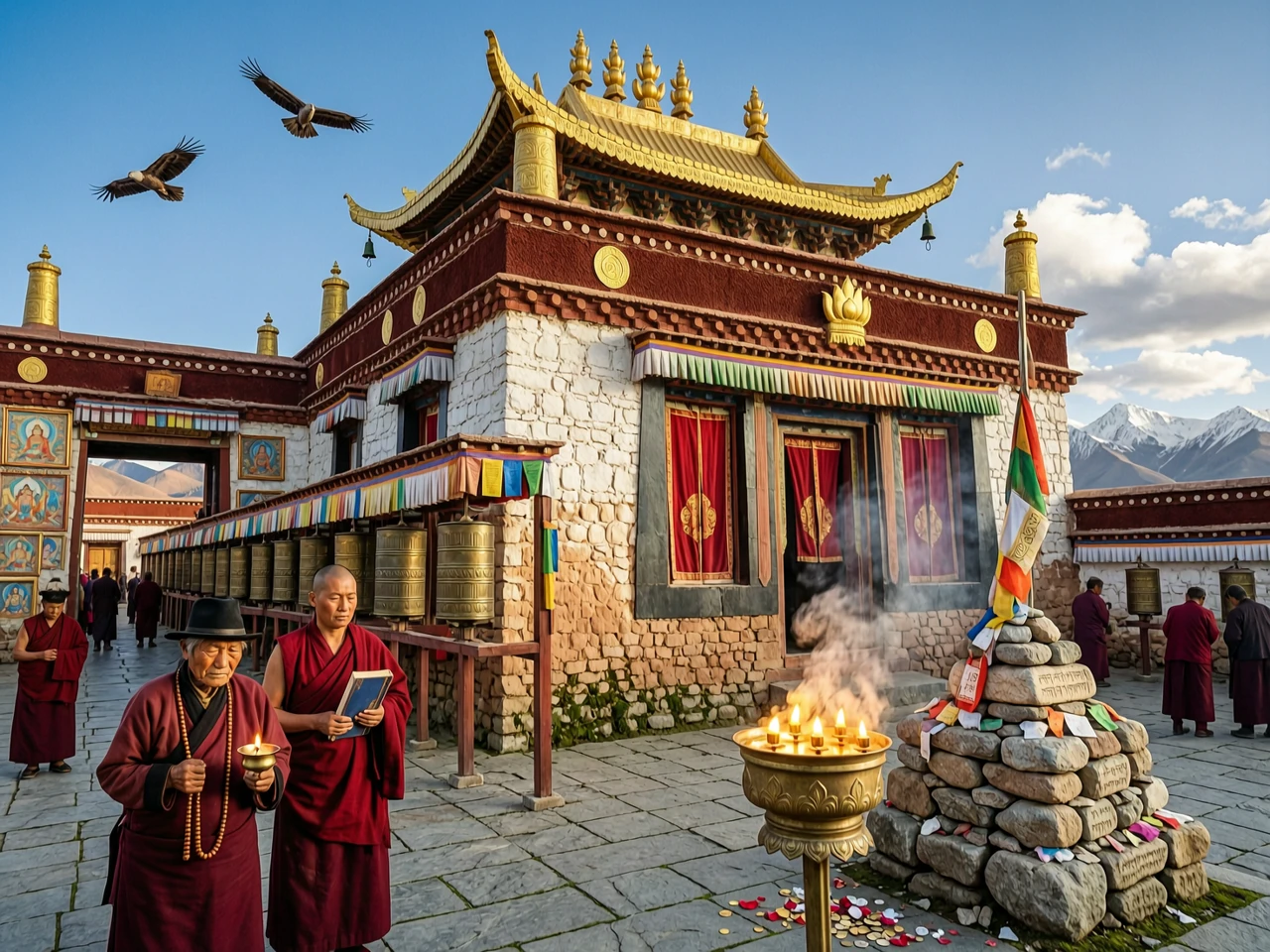
Sera Monastery
A 15th-century monastery famous for monk debates held every afternoon in the courtyard.
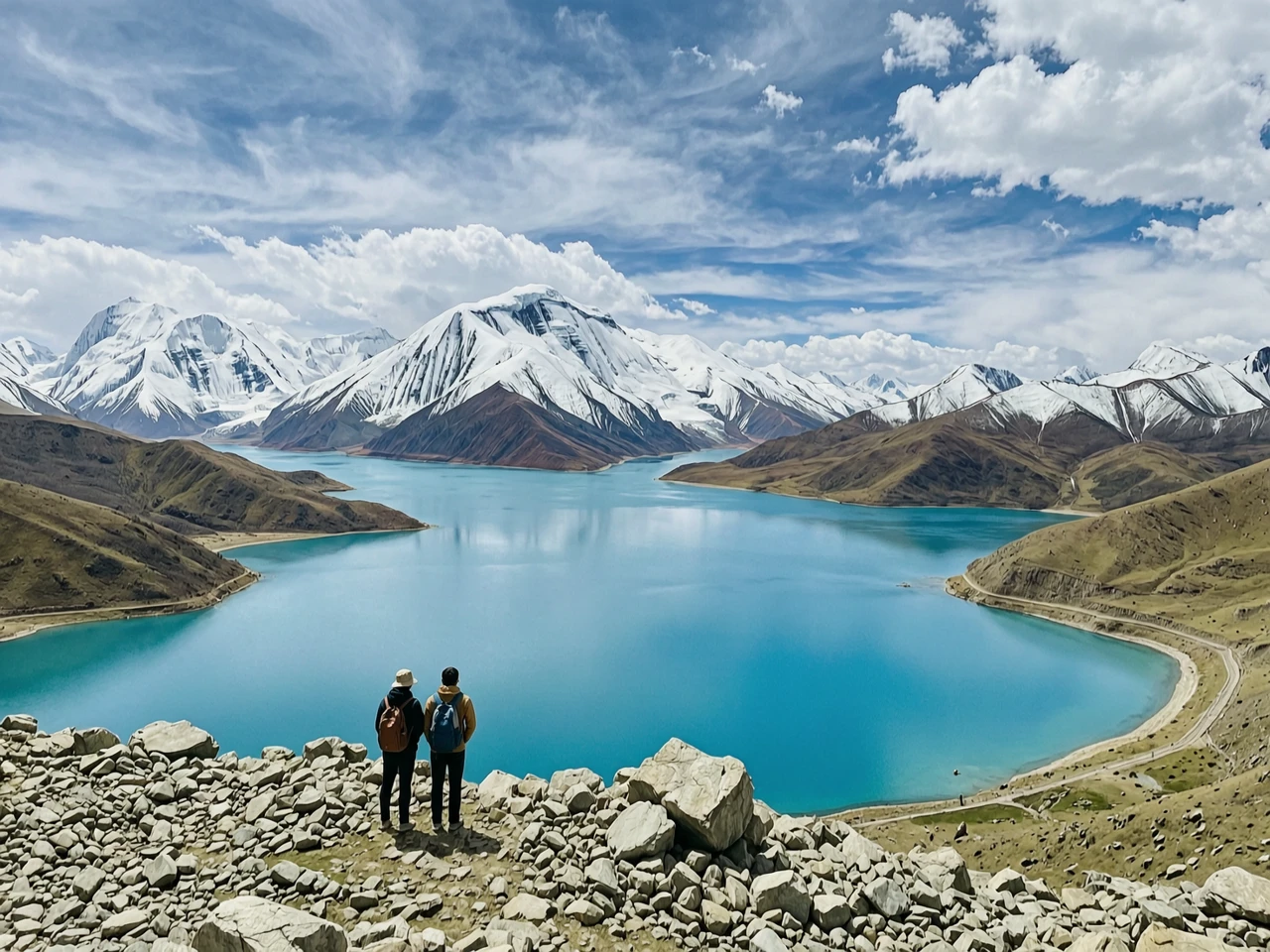
Yamdrok Lake
One of Tibet's three sacred lakes, with turquoise waters surrounded by snow-capped mountains.
Namtso Lake
One of the highest saltwater lakes in the world at 4,718m, known as the Heavenly Lake.
Local Food in Tibet
Tibet at a Glance
- Country
- China (People's Republic of China)
- Best time to visit
- April-October. Summer offers the warmest weather and clearest skies. Avoid winter when many roads are snow-blocked.
- Getting there
- Lhasa Gonggar Airport connects to major Chinese cities. The Qinghai-Tibet Railway offers a scenic 22-hour journey from Xining. Tibet Travel Permit required.
- Top highlights
- Potala Palace, Everest Base Camp, Tibetan Buddhism
- Local cuisine
- Yak Meat (steak, dumplings, jerky), Tsampa (Roasted Barley Flour), Butter Tea
Getting Around Tibet
Lhasa Gonggar Airport connects to major Chinese cities. The Qinghai-Tibet Railway offers a scenic 22-hour journey from Xining. Tibet Travel Permit required.
Travel Tips for Tibet
- Acclimatize for 2 days before sightseeing
- Obtain Tibet Travel Permit in advance
- Drink water to prevent altitude sickness
- Respect local religious customs
- Pack warm clothes even in summer
Tibet Travel Guide
Tibet Travel Planning and Permits
Traveling to Tibet requires careful planning. All foreign visitors need a Tibet Travel Permit (TTP), which must be arranged through a licensed travel agency at least 20 days before departure. Your Chinese visa must be obtained separately before applying for the TTP. If visiting areas outside Lhasa (Everest Base Camp, Mount Kailash, etc.), additional permits (Alien Travel Permit, Military Permit) are required. Your agency will handle all paperwork. The permit will be mailed to your hotel in a Chinese city (usually Chengdu, Beijing, or Xining) before your flight or train to Lhasa. You must show the original permit at check-in. Independent travel in Tibet is not permitted — you must be part of an organized tour with a guide and driver.
Altitude Acclimatization Guide
Lhasa sits at 3,656m elevation, and acclimatization is the most critical aspect of a Tibet trip. Plan 2-3 full days in Lhasa before any higher-altitude travel. On arrival day, rest at the hotel, drink plenty of water, and avoid alcohol. Symptoms of mild altitude sickness include headache, nausea, dizziness, and shortness of breath — these usually subside after 24-48 hours. Diamox (acetazolamide) can help prevent symptoms; consult your doctor before travel. Avoid showers on the first night (to conserve energy and avoid catching cold). Eat light meals. If symptoms worsen (severe headache, vomiting, inability to walk straight), descend immediately. When traveling to Everest Base Camp (5,200m) or Namtso Lake (4,718m), acclimatize in Lhasa and Shigatse first. Carry oxygen canisters (available in Lhasa pharmacies) for emergencies.
Lhasa: The Holy City
Lhasa, the heart of Tibetan Buddhism, deserves 3-4 days of exploration. Day 1: Rest and acclimatize, light walk around Barkhor Street. Day 2: Potala Palace (book morning tickets, allow 2-3 hours) and Norbulingka (summer palace) in the afternoon. Day 3: Jokhang Temple (Tibet's holiest site, morning), Barkhor pilgrimage circuit, and Sera Monastery (afternoon monk debates at 3pm). Day 4: Drepung Monastery (morning) and Nechung Monastery. The Potala Palace requires advance booking and has a strict 1-hour visit limit inside. The Jokhang Temple is the spiritual center of Tibet — join pilgrims circumambulating the temple (the kora) and observe devotees performing prostrations. Barkhor Street surrounding the temple is a vibrant market for Tibetan handicrafts, jewelry, and incense.
Journey to Everest Base Camp
The overland journey from Lhasa to Everest Base Camp (EBC) is one of the world's great road trips, taking 4-5 days round trip. Day 1: Lhasa to Shigatse via Yamdrok Lake and Karola Glacier (6-7 hours). Day 2: Shigatse to EBC via Gyatso La Pass (5,200m) and Rongbuk Monastery (6-7 hours). Day 3: Sunrise at EBC with North Face views, then drive back to Shigatse. Day 4: Return to Lhasa. The road is paved but crosses multiple high passes; those prone to altitude sickness should consider carefully. The best view of Everest is from the EBC tent camp at sunrise, when the peak glows golden. Rongbuk Monastery, at 5,154m, is the highest monastery in the world and offers the classic view of Everest. The optimal season is April-May and September-October for clear mountain views.
Tibetan Culture and Etiquette
Tibetan culture is deeply rooted in Tibetan Buddhism, and respecting local customs is essential. When visiting monasteries, walk clockwise around temples and stupas (never counter-clockwise). Remove hats and do not point feet toward Buddha statues. Photography is often restricted inside temples — always ask first. When meeting monks, a slight bow is appropriate. Do not touch religious objects or prayer flags. Butter tea (po cha) is the traditional Tibetan drink — it's an acquired taste (salty and buttery) but accepting a cup is a sign of respect. Tsampa (roasted barley flour) is the staple food, often mixed with butter tea. When invited to a Tibetan home, accept offerings with both hands. During the Saga Dawa festival (April/May) and Shotun festival (August), Lhasa comes alive with religious ceremonies and cultural events.
Getting to Tibet
By Air
Lhasa Gonggar Airport (LXA) is 62km from Lhasa city center, with flights from Chengdu (2h, the most common gateway), Beijing (4.5h), Xi'an (2.5h), Chongqing (2h), and Kunming (2h). Flights are often delayed due to weather and military airspace restrictions. The airport shuttle bus runs to Lhasa city (30 RMB, 1 hour). Taxis cost 150-200 RMB. You must show your Tibet Travel Permit at check-in. Flying in reduces altitude acclimatization time compared to the train; consider spending an extra day resting in Lhasa if arriving by air.
By Train
The Qinghai-Tibet Railway is one of the world's most scenic train journeys, running from Xining to Lhasa (22 hours) or Beijing to Lhasa (40 hours). The train crosses the Tanggula Pass at 5,072m — the highest railway pass in the world. Oxygen is supplied in the train cabins above 4,000m. The scenery includes vast grasslands, snow-capped peaks, and turquoise lakes. Trains from Xining depart daily; book soft sleeper class for comfort. The train journey allows gradual altitude acclimatization but can still cause symptoms. Book via 12306.cn well in advance (tickets sell out quickly in peak season). The Xining-Lhasa route is recommended over Beijing-Lhasa for a shorter, more comfortable journey.
By Bus
Overland travel to Tibet is restricted and must be arranged through a licensed travel agency. The most common overland route is the Sichuan-Tibet Highway (Chengdu to Lhasa, 5-7 days) and the Qinghai-Tibet Highway (Xining to Lhasa, 2-3 days). These journeys offer incredible scenery but require a hired 4WD vehicle with a Tibetan driver. Foreign travelers cannot take public buses to Tibet. Within Tibet, your agency will provide a vehicle and driver for all intercity travel. The Friendship Highway connects Lhasa to the Nepal border (Zhangmu) in 3-4 days.
Local Transport
Within Lhasa, taxis are plentiful (10 RMB for most trips within the city). Your tour guide and driver will handle all transportation outside Lhasa. Walking is the best way to explore the Barkhor area and old town. For the Potala Palace, taxis can drop you at the base; there are steps to climb. Bicycle rentals are available but not recommended due to altitude. For day trips to nearby monasteries (Sera, Drepung, Norbulingka), taxis or your tour vehicle are the options. Within Tibet, all travel must be in your pre-arranged tour vehicle — independent travel is not permitted.
Plan Your Trip to Tibet
If you are planning a trip to Tibet, please feel free to email us for a more precise itinerary. We can customize the tour route and activities according to your specific requirements.
Email Us for Custom ItineraryTibet Travel FAQ
What is the best time to visit Tibet?
What are the top attractions in Tibet?
How do I get to Tibet?
Quick Info
Best Time to Visit
April-October. Summer offers the warmest weather and clearest skies. Avoid winter when many roads are snow-blocked.
Getting There
Lhasa Gonggar Airport connects to major Chinese cities. The Qinghai-Tibet Railway offers a scenic 22-hour journey from Xining. Tibet Travel Permit required.
Tours in Tibet
Private tours with dedicated guide, driver & vehicle
Classic Beijing & Xi'an 8 Days
Explore China's most iconic cities, from ancient capitals to modern metropolises
Golden Triangle 10 Days - Beijing, Xi'an, Shanghai
Experience the essence of Chinese civilization, from ancient capitals to modern skylines
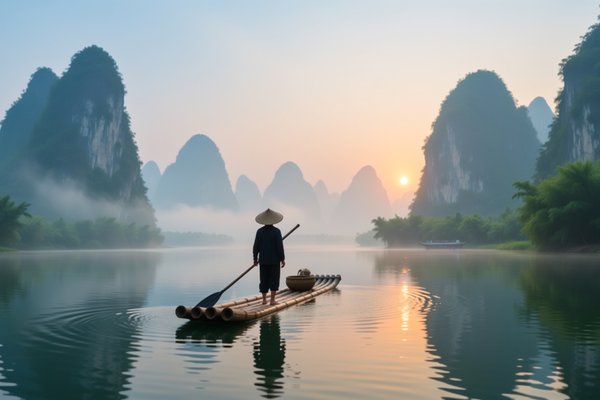
Guilin & Yangshuo Landscape 6 Days
Cruise the Li River through poetic karst landscapes and idyllic countryside scenery
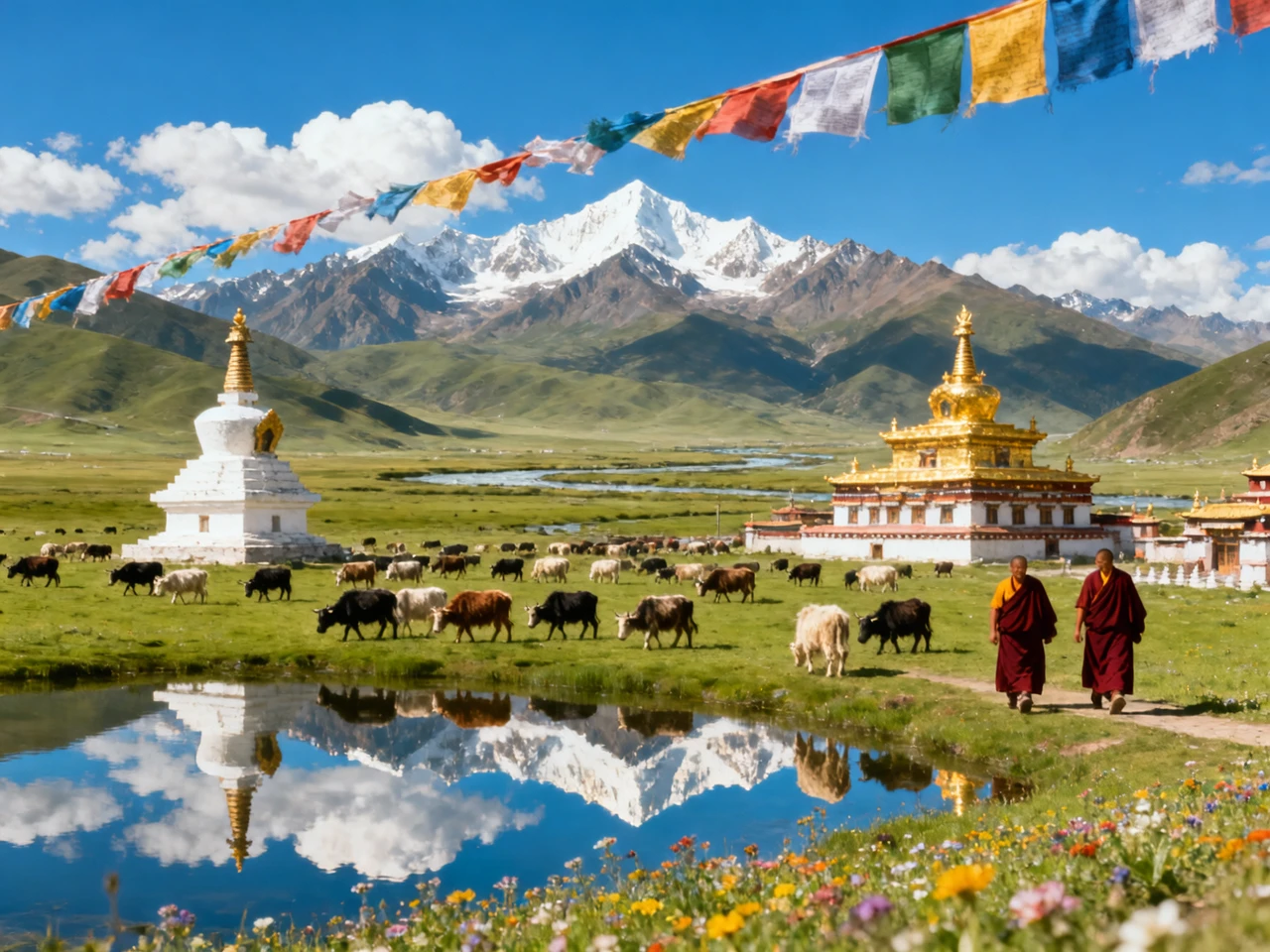
Tibet Adventure 12 Days
Journey to the Roof of the World, visit Potala Palace and witness Mount Everest
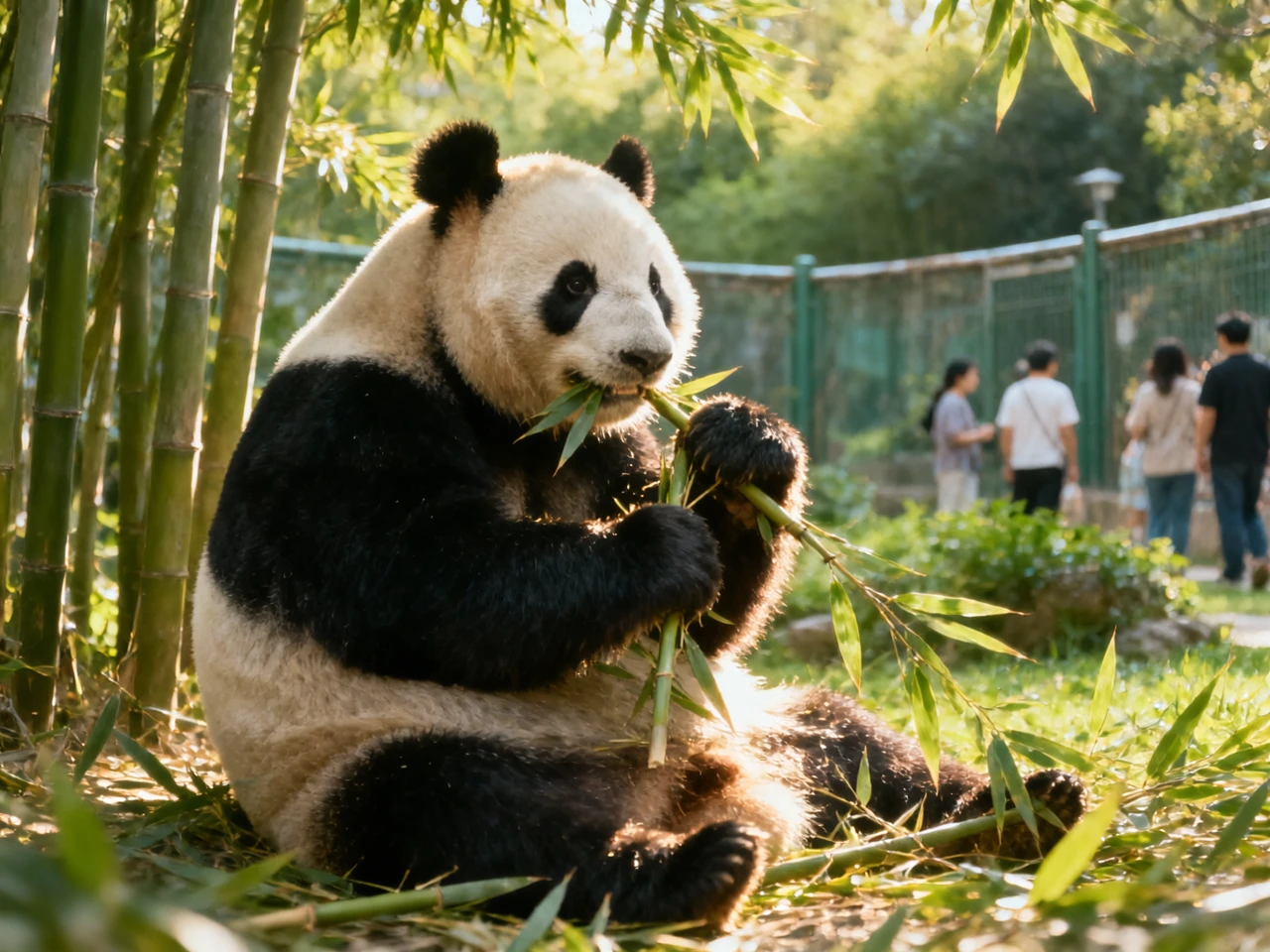
Chengdu Pandas & Zhangjiajie 9 Days
Meet giant pandas up close and marvel at the Avatar-inspired sandstone pillars
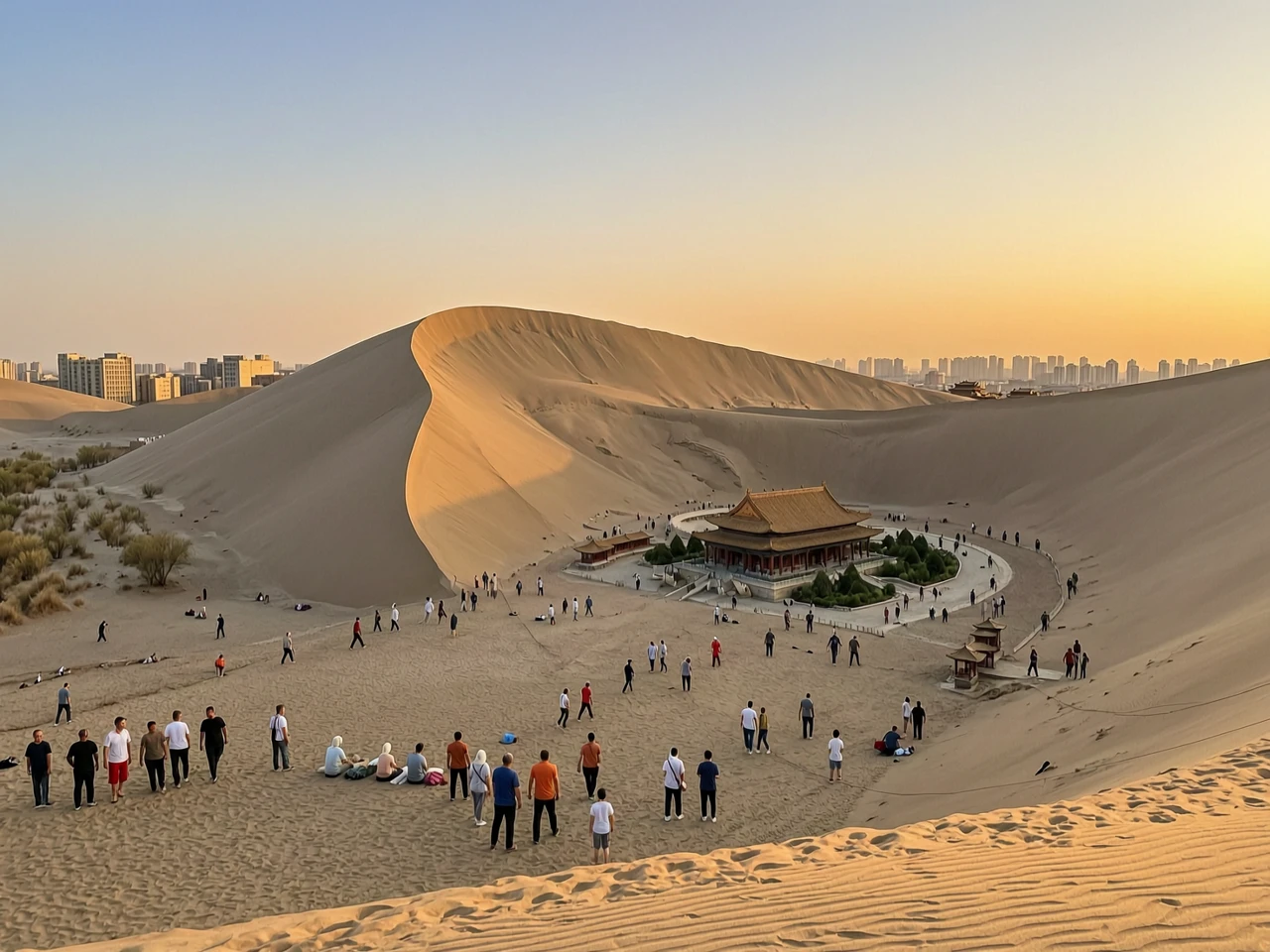
Silk Road Expedition 14 Days
Trace the ancient Silk Road, discover Mogao Caves and experience vast desert landscapes
About Tibet Travel
Tibet is one of China's most popular travel destinations. As a professional Tibet Travel Agency, QTour offers private Tibet tours with dedicated guides, drivers, and vehicles. Our Tibet travel packages cover Potala Palace, Everest Base Camp, Tibetan Buddhism, and more. Whether you're planning a Tibet city tour or combining Tibet with other Chinese destinations, our expert team will create the perfect itinerary for you.
Book your Tibet tour with QTour — a trusted Chinese travel agency with 25+ years of experience. One booking, one team: private guide, driver, and optional photographer. Contact us at info@qtour.net or WhatsApp.
Ready to Explore China?
Start planning your personalized journey with our expert team. Get a custom itinerary within 24 hours.