
The Chinese Dragon: Myth, Symbol, and Cultural Icon
The legendary Chinese dragon — how it differs from Western dragons, its role in mythology, and why it symbolizes imperial power and good fortune.
Chinese vs. Western Dragons
Chinese dragons (long) differ fundamentally from Western dragons. They are benevolent, wise creatures associated with water, rain, and agriculture — not fire-breathing monsters. Chinese dragons have serpentine bodies, deer antlers, eagle claws, and fish scales. They can fly without wings and control weather. They symbolize power, strength, and good luck.
Nine Sons of the Dragon
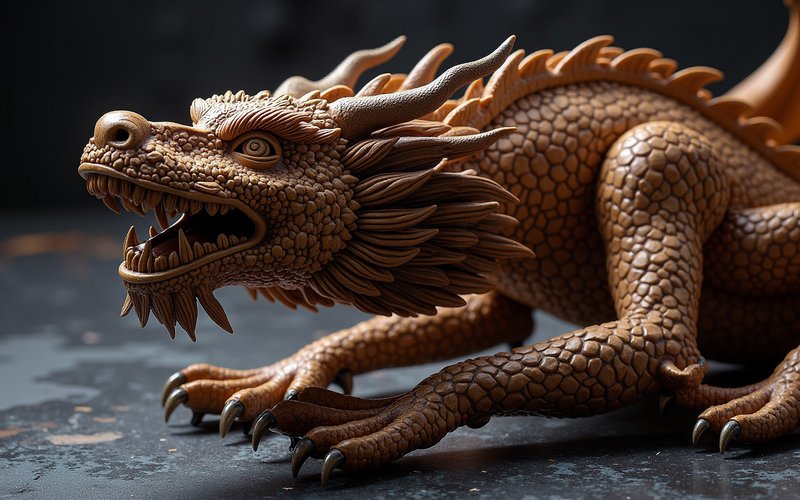
Chinese mythology describes nine sons of the dragon, each with distinct characteristics: Bixi (turtle-like, carries stone tablets), Chiwen (roof ridge protector), Pulao (bell ringer), Bian (tiger-like, guards prisons), Taotie (gluttonous, decorates cooking vessels), and others. These appear in architecture, art, and decorative motifs throughout China.
Dragon and the Emperor
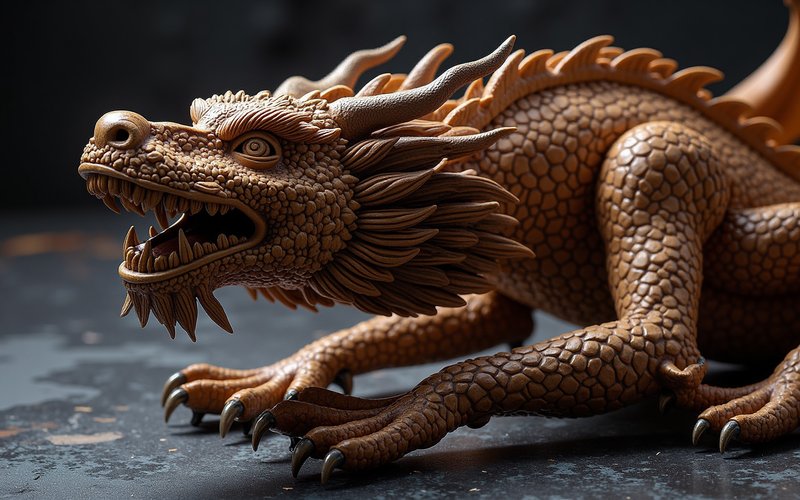
The dragon was the emperor's symbol. Imperial robes featured nine dragons. The throne was called the Dragon Throne. Only the emperor could use five-clawed dragons; princes used four claws. Dragon motifs decorated palaces, temples, and official seals. Being born in the Year of the Dragon is considered especially auspicious.
Dragon Festivals
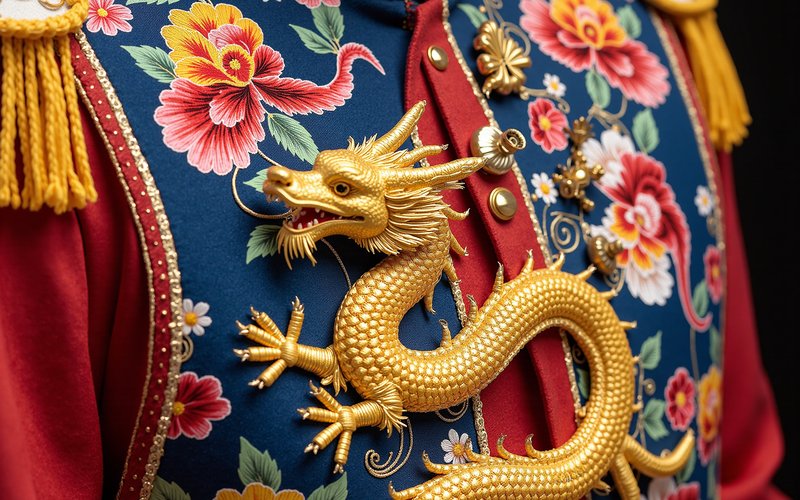
Dragon Boat Festival features dragon-shaped boats raced to commemorate poet Qu Yuan. Dragon dances during Chinese New Year bring good luck. Temples hold dragon processions asking for rain. The Dragon Head Raising Day (2nd day of 2nd lunar month) marks the start of spring farming. Dragons appear in parades, performances, and decorations.

Dragon in Modern China
Chinese people proudly identify as "descendants of the dragon." The dragon appears in logos, mascots, and national imagery. Dragon Year births spike as parents seek auspicious timing. Dragon-themed tourism promotes sites like Nine-Dragon Wall in Beijing. The creature remains a powerful symbol of Chinese identity and cultural pride.
Quick Facts
- • Chinese dragons have 117 scales (81 yang + 36 yin)
- • The dragon is the only mythical creature in the Chinese zodiac
- • Five-clawed dragons were reserved exclusively for emperors
- • Dragon Years see 10-15% birth rate increases
- • The Great Wall is sometimes called the "Stone Dragon"
Experience This in Person
Our tours include authentic cultural experiences — tea ceremonies, cooking classes, kung fu shows, and more.
Plan My Cultural Journey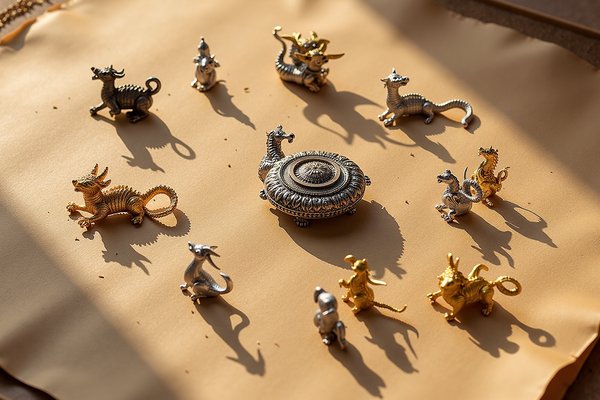

Experience Chinese Culture in Person
From tea ceremonies and calligraphy workshops to Shaolin kung fu and palace visits — our private tours bring these traditions to life.