
Feng Shui: Harmonizing Space and Energy
The principles of feng shui — bagua map, five elements, compass school, and how feng shui influences Chinese architecture and daily life.
What is Feng Shui?
Feng shui (wind-water) is an ancient Chinese practice of arranging spaces to harmonize with natural energy flows (qi). Dating back 3,000 years, it combines astronomy, geography, and philosophy. Good feng shui promotes health, wealth, and harmony; bad feng shui creates obstacles. It influences architecture, interior design, and even grave placement.

The Bagua Map
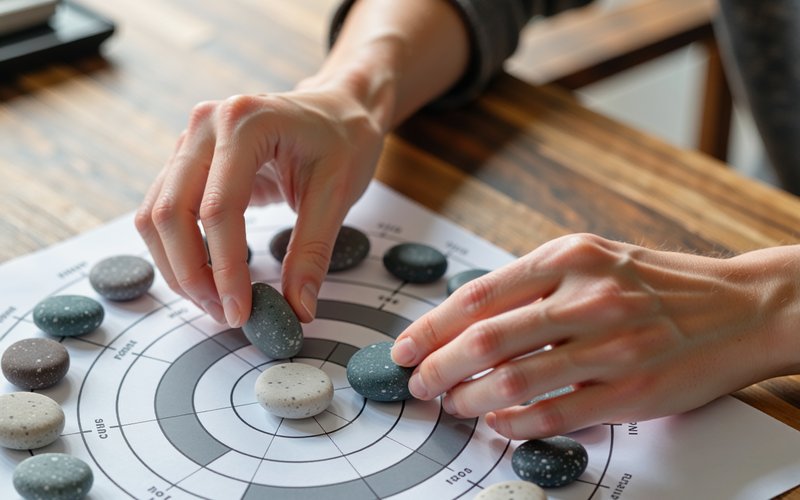
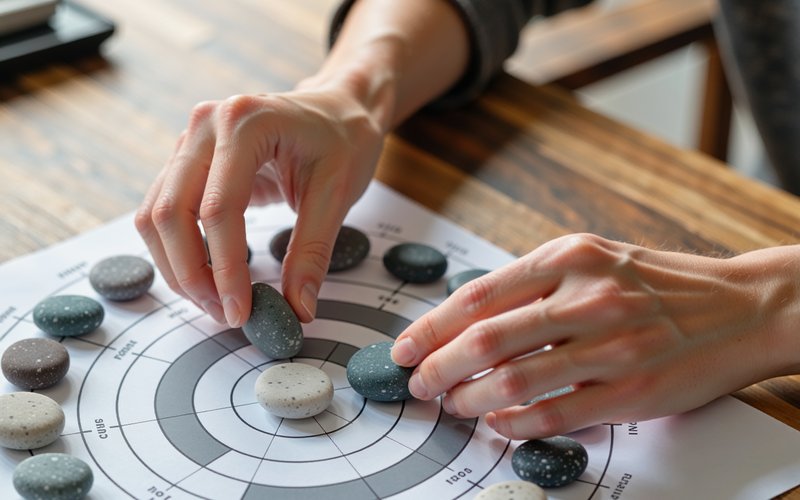
The bagua is an eight-sided diagram mapping life areas: career, knowledge, family, wealth, fame, relationships, creativity, and helpful people. Each area corresponds to directions, colors, and elements. Practitioners overlay the bagua on floor plans to identify strengths and weaknesses. Adjustments include adding mirrors, plants, or water features to balance energy.
Five Elements Theory
Feng shui uses five elements: Wood (growth), Fire (passion), Earth (stability), Metal (clarity), and Water (flow). Elements interact through generating and controlling cycles. Wood feeds Fire, Fire creates Earth, Earth bears Metal, Metal collects Water, Water nourishes Wood. Balanced spaces incorporate all five elements appropriately.
Compass School vs. Form School
Compass School uses a luopan (feng shui compass) to determine auspicious directions based on birth date and building orientation. Form School analyzes landscape features: mountains behind (protection), water in front (prosperity), and open space ahead (opportunity). Modern practitioners combine both approaches for comprehensive analysis.
Feng Shui in Modern Life
Contemporary Chinese still consult feng shui masters for home purchases, office layouts, and business openings. Real estate agents market properties with good feng shui. Interior designers incorporate feng shui principles. While skeptics dismiss it as superstition, many find value in its emphasis on harmony, balance, and mindful space design.

Quick Facts
- • Feng shui has been practiced for over 3,000 years
- • The luopan compass has up to 40 concentric rings
- • Forbidden City was designed according to feng shui principles
- • Feng shui influences 70% of Chinese real estate decisions
- • The word literally means "wind" and "water"
Experience This in Person
Our tours include authentic cultural experiences — tea ceremonies, cooking classes, kung fu shows, and more.
Plan My Cultural Journey
Experience Chinese Culture in Person
From tea ceremonies and calligraphy workshops to Shaolin kung fu and palace visits — our private tours bring these traditions to life.