
Chinese New Year Food: Symbolic Dishes and Meanings
The culinary traditions of Chinese New Year — dumplings, fish, nian gao, and the symbolic meanings behind festive dishes.
Reunion Dinner Significance
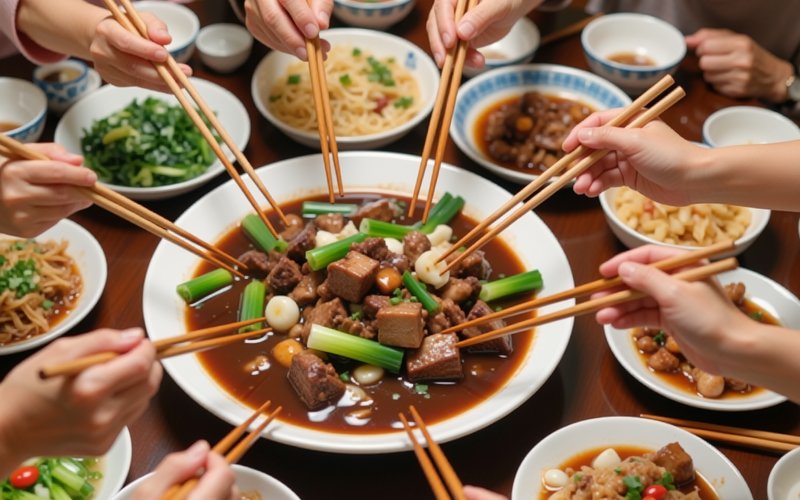
The New Year's Eve reunion dinner is the year's most important meal. Families travel across China to gather. The table features dishes with auspicious names and meanings. Leftovers symbolize surplus for the coming year. The meal lasts hours, with multiple courses and toasts. Regional variations exist, but core symbolic dishes remain consistent.
Dumplings (Jiaozi)
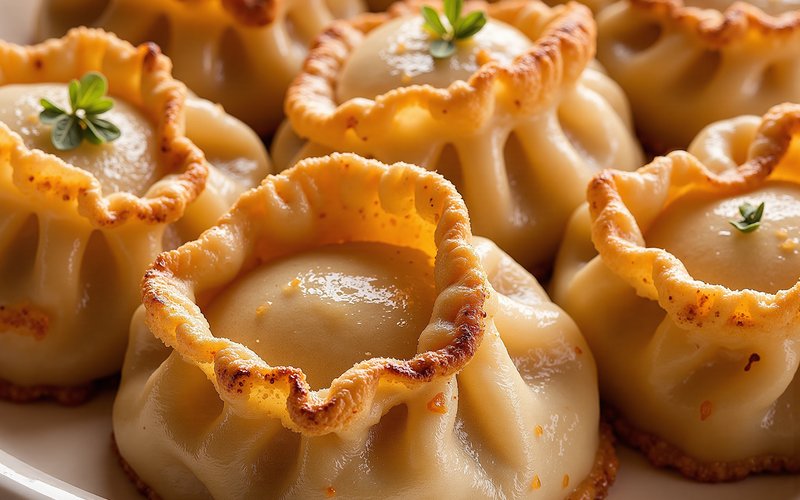
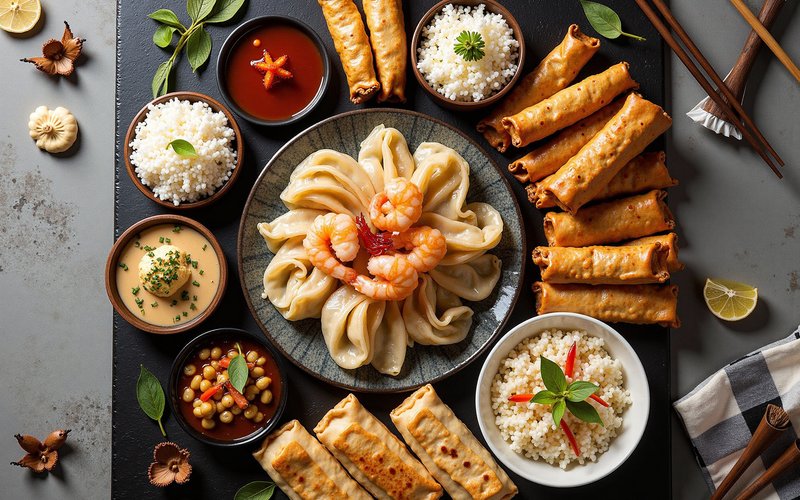
Dumplings resemble ancient gold ingots, symbolizing wealth. Northern families make dumplings together on New Year's Eve. Some hide coins inside — finding one brings good luck. Fillings vary: pork and cabbage (most common), shrimp, or vegetarian. Dumplings are boiled, steamed, or pan-fried. Eating them at midnight welcomes prosperity.
Fish (Yu)
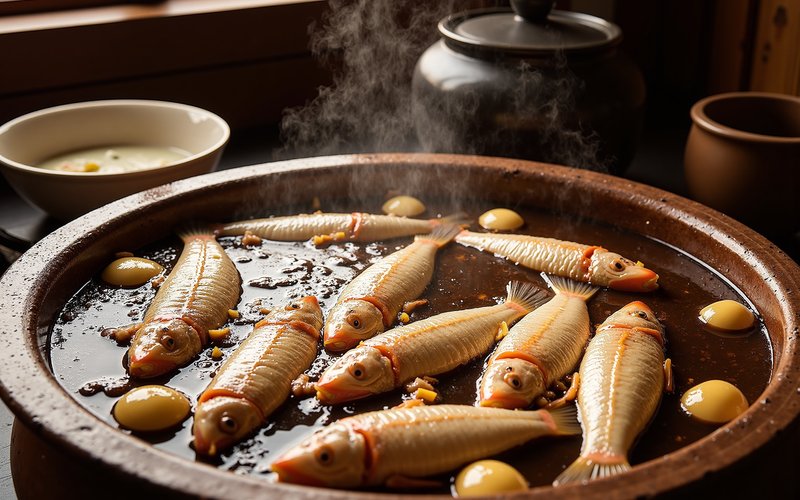
Fish is essential because "yu" sounds like "surplus." The whole fish is served with head and tail intact, symbolizing a good beginning and end. Common preparations: steamed with ginger and scallions, braised in soy sauce. Leave some fish uneaten to ensure surplus carries into the new year. Carp is preferred for its name sounding like "profit."
Nian Gao (Rice Cake)
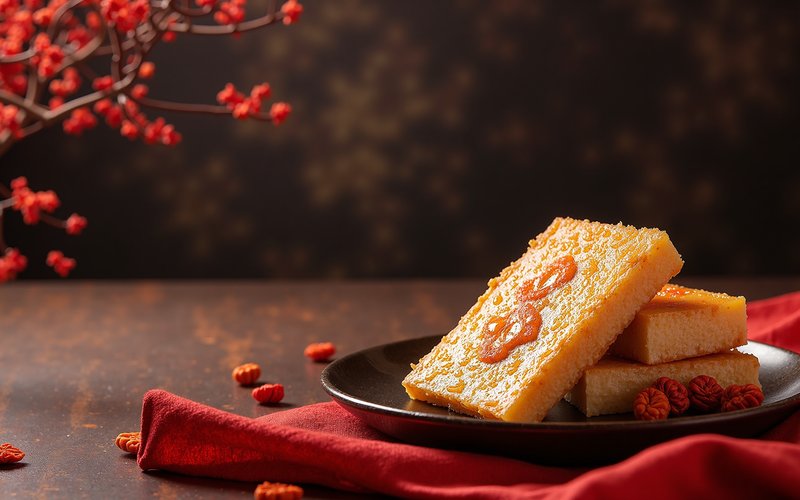
Nian gao sounds like "higher year," symbolizing progress and promotion. Made from glutinous rice flour, it's sweet in the south and savory in the north. Preparations: steamed, fried, or added to soups. The sticky texture represents family cohesion. Giving nian gao as gifts wishes recipients advancement in career and life.
Other Symbolic Foods
Spring rolls: Resemble gold bars, symbolizing wealth. Tangyuan: Round rice balls represent family unity. Longevity noodles: Uncut noodles signify long life. Oranges and tangerines: Sound like "luck" and "wealth." Seeds and nuts: Represent fertility and abundance. Each dish contributes to the meal's overall auspicious message.
Quick Facts
- • Dumplings shaped like ancient gold ingots
- • Fish must be served whole with head and tail
- • Nian gao sounds like "higher year" in Chinese
- • Some families hide coins in dumplings for luck
- • Leftovers symbolize surplus for the coming year
Experience This in Person
Our tours include authentic cultural experiences — tea ceremonies, cooking classes, kung fu shows, and more.
Plan My Cultural JourneyRelated Reading
Experience Chinese Culture in Person
From tea ceremonies and calligraphy workshops to Shaolin kung fu and palace visits — our private tours bring these traditions to life.