
Chinese Wedding Traditions: From Betrothal to Banquet
Explore Chinese wedding customs — red decorations, tea ceremonies, dowries, and how modern couples blend tradition with contemporary style.
Traditional Wedding Rituals
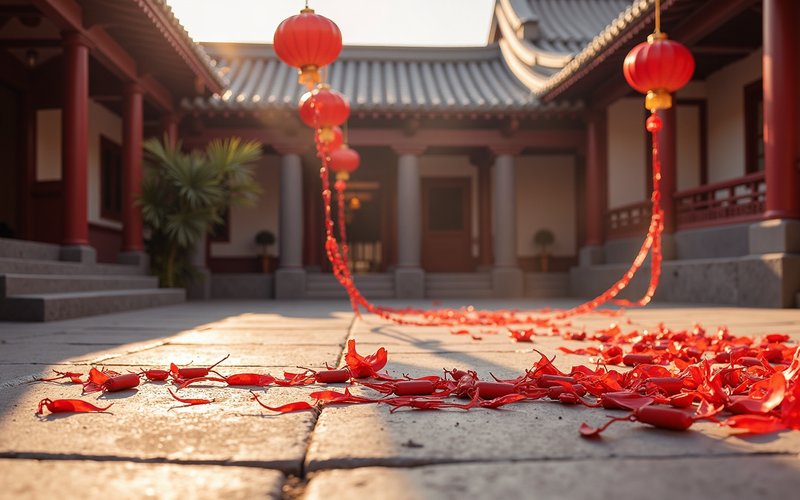
Traditional Chinese weddings follow the "Three Letters and Six Etiquities": betrothal letter, gift letter, wedding letter, and six rituals from proposal to reception. The bride's family prepares a dowry; the groom's family provides betrothal gifts. Red dominates decorations as it symbolizes happiness and good fortune. Weddings are elaborate affairs involving extended families.
Tea Ceremony
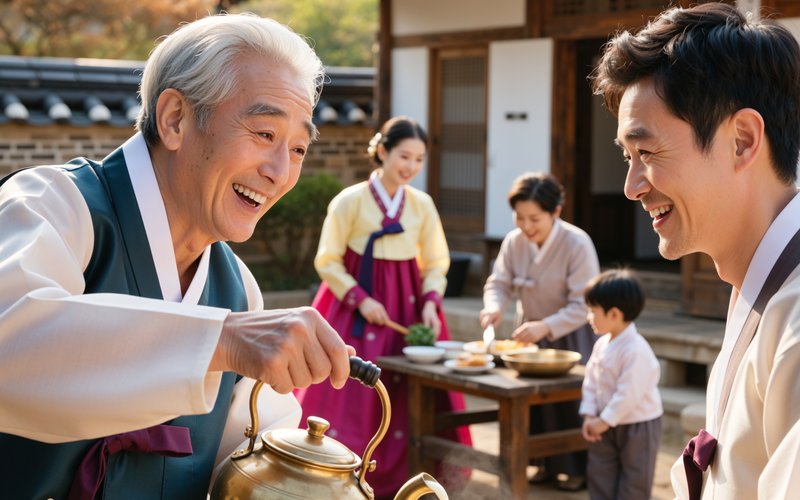
The tea ceremony is the most important ritual, where the couple serves tea to elders as a sign of respect. Elders drink the tea and give red envelopes or jewelry as blessings. The ceremony takes place at both families' homes. Specific teas are chosen for their auspicious names. This ritual symbolizes the union of two families, not just two individuals.
Wedding Attire
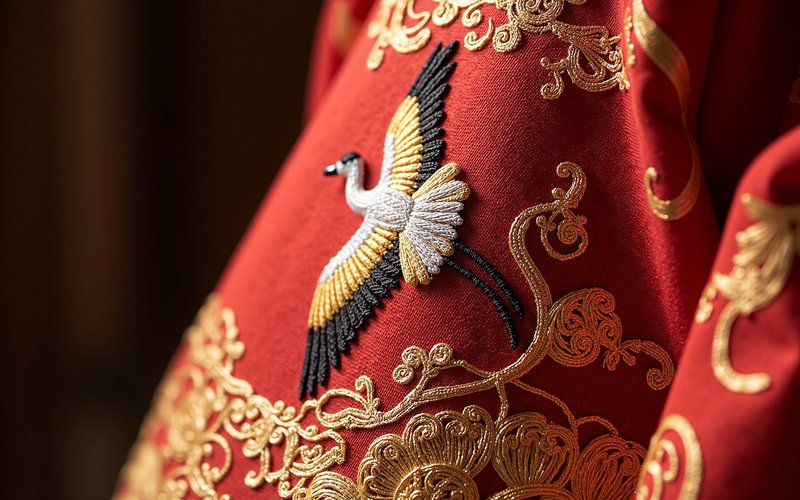
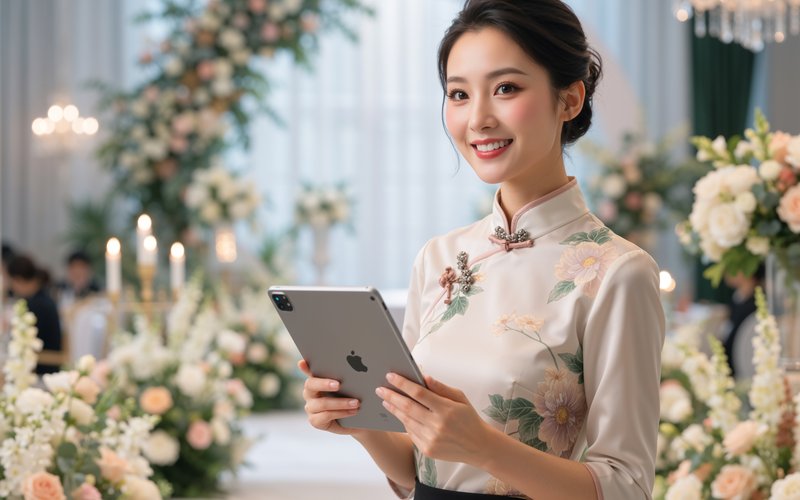
Traditional brides wear qipao (cheongsam) or qungua (two-piece embroidered outfit) in red with gold phoenix and dragon motifs. Grooms wear changshan (long robe) with matching embroidery. Modern couples often wear Western white dresses for the ceremony and change into red traditional outfits for the banquet. The double happiness character (囍) appears everywhere.
Wedding Banquet
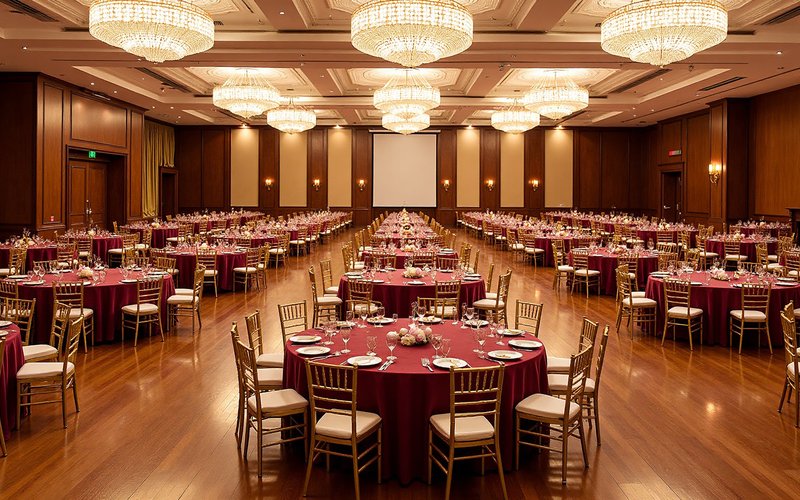
The banquet is the public celebration, typically hosting 10-30 tables of guests. Dishes carry symbolic meanings: fish for abundance, chicken for completeness, noodles for longevity. Toasting is extensive — the couple visits each table. Guests give red envelopes with money (amounts ending in 8 are lucky). Entertainment includes games and performances.
Modern Adaptations
Contemporary Chinese weddings blend Eastern and Western elements. Couples may have a Western-style ceremony followed by a traditional banquet. Pre-wedding photography is elaborate, with couples shooting at scenic locations. Destination weddings are growing in popularity. Despite modernization, core traditions like the tea ceremony and red decorations remain essential.
Quick Facts
- • Red is the traditional wedding color, not white
- • The double happiness character (囍) is unique to weddings
- • Wedding banquets can host 300+ guests
- • Betrothal gifts traditionally included tea, wine, and jewelry
- • The tea ceremony symbolizes respect for ancestors and elders
Experience This in Person
Our tours include authentic cultural experiences — tea ceremonies, cooking classes, kung fu shows, and more.
Plan My Cultural Journey
Experience Chinese Culture in Person
From tea ceremonies and calligraphy workshops to Shaolin kung fu and palace visits — our private tours bring these traditions to life.