
Mongolian Culture in China: Nomadic Traditions
Experience Mongolian culture in Inner Mongolia — horse racing, throat singing, yurt living, and the Naadam Festival.
Nomadic Heritage
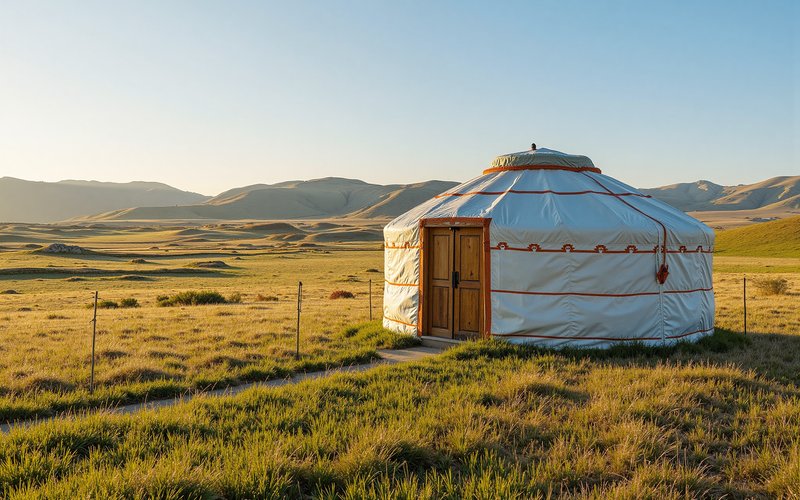
Mongolians in China (primarily in Inner Mongolia) maintain nomadic traditions despite modernization. They raise horses, sheep, goats, and camels on vast grasslands. Traditional yurts (gers) are portable dwellings made of wooden frames and felt covers. Families move seasonally to find fresh pasture. This lifestyle has persisted for over 1,000 years.
Horse Culture
Horses are central to Mongolian identity. Children learn to ride at age 3-4. Horse racing is a key sport, with jockeys as young as 6 competing in long-distance races. The Mongolian horse is small but incredibly hardy, surviving harsh winters. Horsehead fiddles (morin khuur) feature carved horse heads and produce distinctive sounds.

Throat Singing (Khoomei)
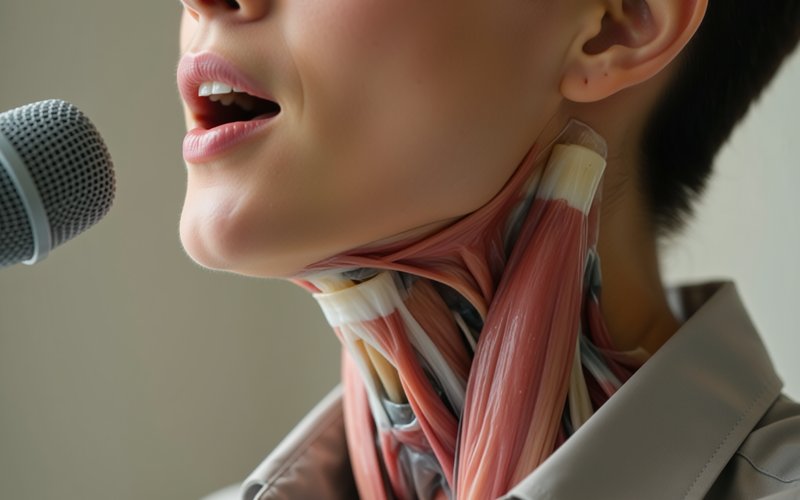
Khoomei is a unique vocal technique where singers produce two pitches simultaneously — a low drone and a high melody. It mimics natural sounds like wind and water. Practitioners train for years to master breath control. UNESCO recognizes khoomei as intangible cultural heritage. Performances create mesmerizing, otherworldly atmospheres.
Naadam Festival
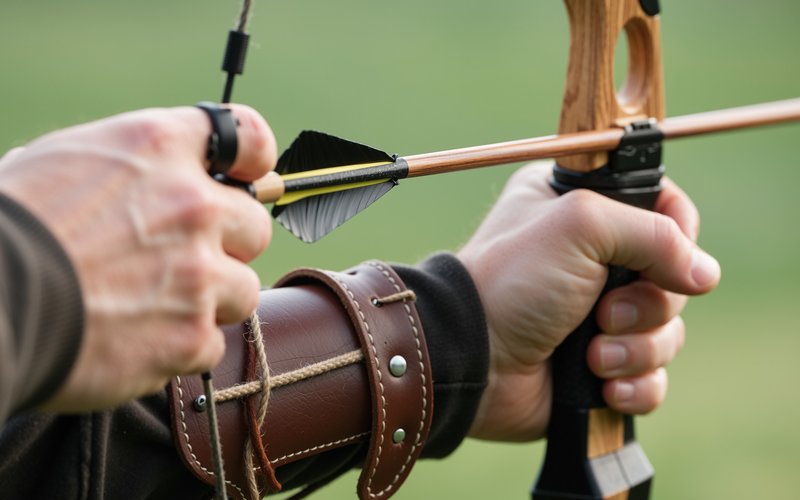
Naadam is Mongolia's national festival, featuring "three manly sports": wrestling, horse racing, and archery. Wrestlers wear traditional costumes with exposed chests. Horse races cover 15-30 km with child jockeys. Archers shoot at targets from 75 meters. The festival celebrates independence and national pride. Tourists can attend events in Hohhot and surrounding areas.
Mongolian Cuisine
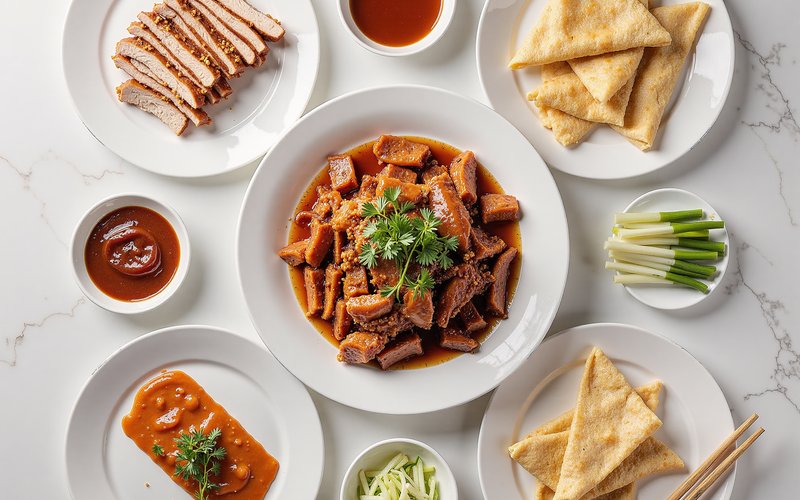
Traditional food centers on meat and dairy due to the nomadic lifestyle. Mutton is the staple protein. Airag (fermented mare's milk) is the national drink. Buuz (steamed dumplings) and khorkhog (meat cooked with hot stones) are popular dishes. Milk tea with salt is consumed daily. Modern restaurants in cities offer refined versions of traditional cuisine.
Quick Facts
- • Inner Mongolia has over 2.5 million ethnic Mongolians
- • Mongolian horses can survive -40°C winters without shelter
- • Throat singing produces two simultaneous pitches
- • Naadam Festival dates back to the 13th century
- • Yurts can be assembled or disassembled in under an hour
Experience This in Person
Our tours include authentic cultural experiences — tea ceremonies, cooking classes, kung fu shows, and more.
Plan My Cultural Journey
Experience Chinese Culture in Person
From tea ceremonies and calligraphy workshops to Shaolin kung fu and palace visits — our private tours bring these traditions to life.