
Chinese Etiquette: Cultural Do's and Don'ts
Navigate Chinese culture respectfully — dining etiquette, gift-giving, body language, and social customs.
Greetings & Body Language
Handshakes are common in business settings. Nodding or slight bow shows respect. Avoid excessive physical contact. Pointing with one finger is rude — use an open hand. Don't touch someone's head (considered sacred). Remove shoes when entering homes. Stand when elders enter the room. These gestures show cultural awareness.
Dining Etiquette
Wait for the host to start eating. Use serving chopsticks for shared dishes. Don't stick chopsticks upright in rice (resembles funeral incense). It's polite to try everything offered. Leave a small amount of food to show you're satisfied. Toasting is important — hold your glass lower than seniors' glasses. Slurping noodles is acceptable.
Gift-Giving Customs
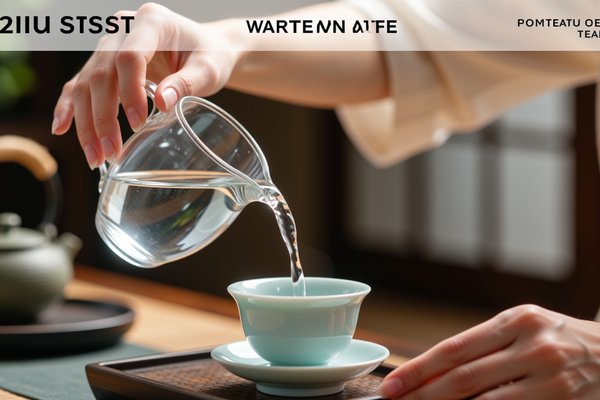
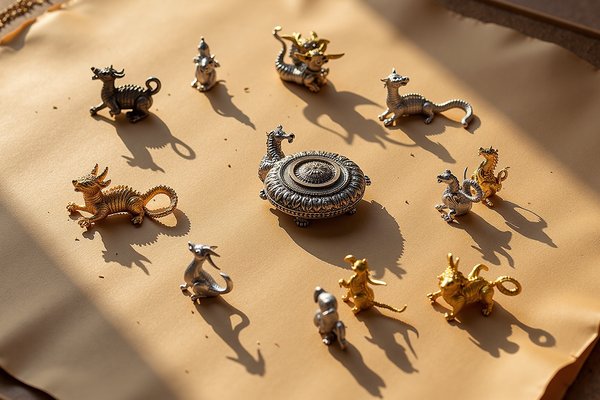
Bring gifts when visiting homes: fruit, tea, wine, or specialty items from your country. Avoid clocks (sound like "end"), umbrellas (sound like "separation"), white flowers (funerals), or sharp objects (cutting relationships). Gifts are often refused initially — insist politely. Open gifts later, not in front of the giver. Wrap gifts in red or gold (lucky colors).
Face Concept (Mianzi)
"Face" represents dignity and reputation. Never criticize or embarrass someone publicly. Give compliments generously. Accept hospitality graciously. If you make a mistake, apologize sincerely. Saving face is crucial in Chinese culture. Your guide can help navigate sensitive situations.
Temple & Religious Sites
Dress modestly (cover shoulders and knees). Remove hats. Speak quietly. Don't point at Buddha statues. Clockwise circumambulation around stupas. Ask permission before photographing monks or rituals. Don't touch religious artifacts. Follow posted rules. Some temples require ticket purchases — this supports maintenance.
Business Etiquette
Exchange business cards with both hands. Study received cards before putting them away. Punctuality is valued. Build relationships (guanxi) before discussing business. Banquets are important for bonding. Avoid direct confrontation — use indirect communication. Patience is key; decisions take time.
Frequently Asked Questions
Is tipping expected in China?
Can I discuss politics in China?
What if I accidentally offend someone?
Ready to Explore China?
Start planning your personalized journey with our expert team. Get a custom itinerary within 24 hours.