
Chinese Calligraphy: The Art of Beautiful Writing
Explore the ancient art of Chinese calligraphy — its history, five major scripts, and how to appreciate this elegant art form.
History of Chinese Calligraphy
Chinese calligraphy has a history of over 3,000 years, dating back to the Oracle Bone Script of the Shang Dynasty. It evolved through several scripts: Seal Script (Zhuan), Clerical Script (Li), Regular Script (Kai), Running Script (Xing), and Cursive Script (Cao). Each script reflects the aesthetic values and technological developments of its era.
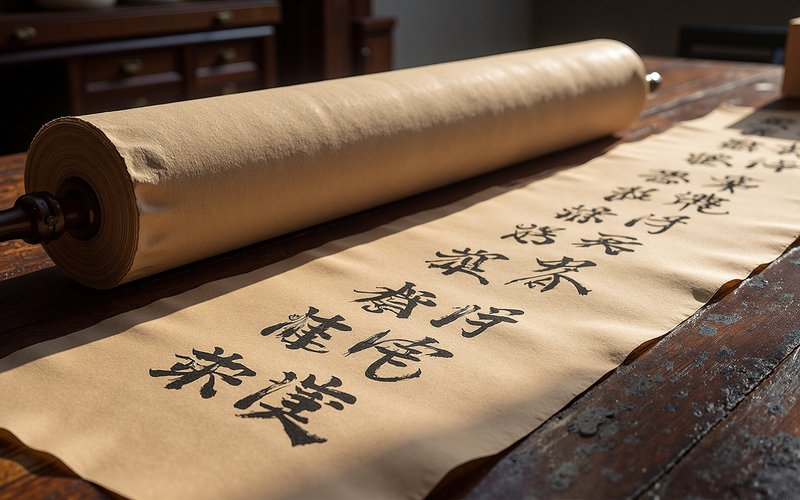
The Four Treasures
Traditional calligraphy requires four essential tools called the "Four Treasures of the Study": brush (bi), ink (mo), paper (zhi), and inkstone (yan). The brush is made from animal hair (wolf, goat, or rabbit). Ink is ground from inksticks on an inkstone with water. Xuan paper from Anhui Province is considered the best for calligraphy.
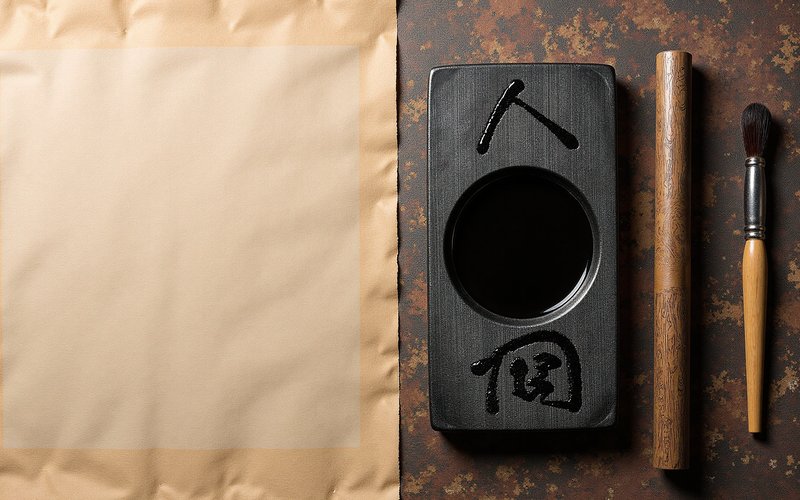
Five Major Scripts
Seal Script: Ancient, rounded characters used on bronze vessels. Clerical Script: Square, flat characters developed during the Han Dynasty. Regular Script: The standard script used today, with clear strokes. Running Script: Semi-cursive, faster writing style. Cursive Script: Highly abstract, artistic flowing characters that are difficult to read.
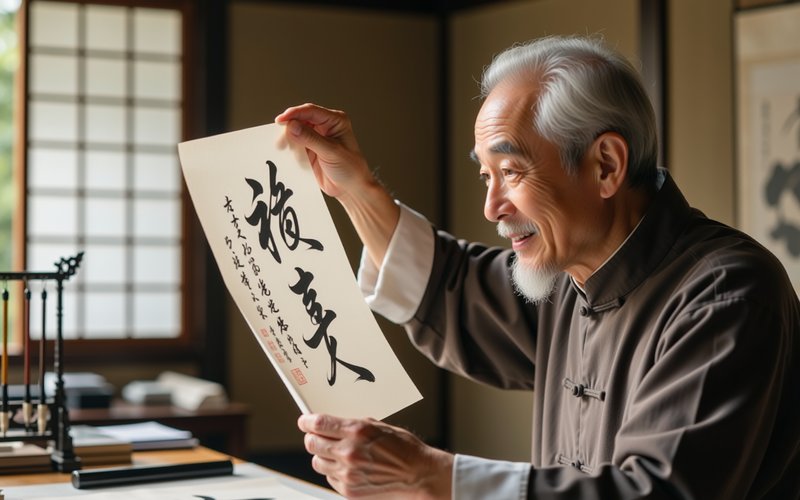
Famous Calligraphers
Wang Xizhi (303-361): Known as the "Sage of Calligraphy," his Lanting Xu (Preface to the Orchid Pavilion) is the most celebrated work. Yan Zhenqing (709-785): Known for bold, upright Regular Script. Su Shi (1037-1101): Song Dynasty scholar whose Running Script is highly valued. Each master developed unique styles that influenced generations.
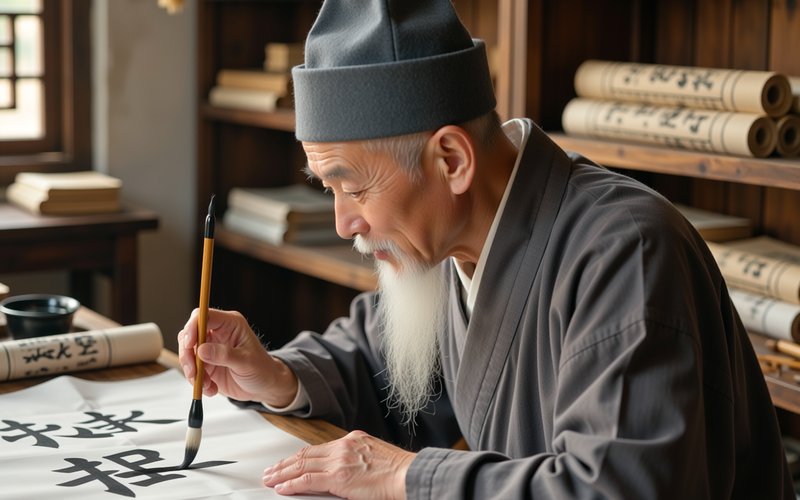
Learning Calligraphy
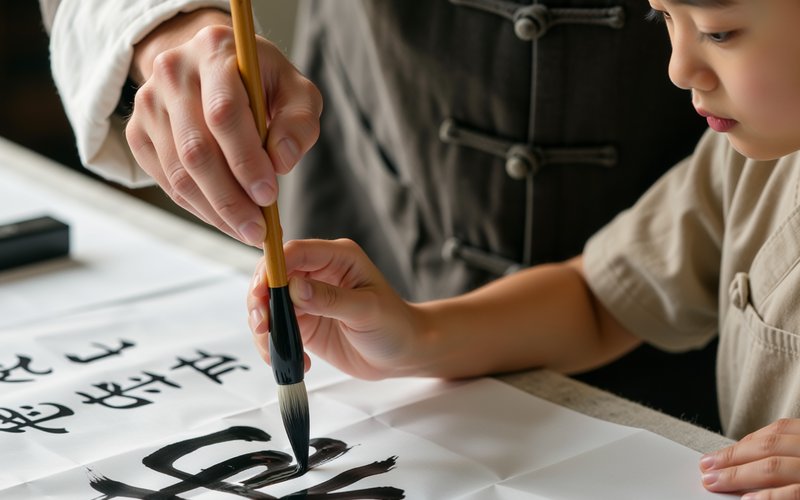
Visitors can experience calligraphy in China through workshops in Beijing, Xi'an, and Shanghai. Many temples and cultural centers offer beginner classes. Start by practicing basic strokes, then progress to characters. A good teacher emphasizes proper posture, brush holding, and breathing. Calligraphy is meditation in motion.
Quick Facts
- • Calligraphy is considered the highest form of Chinese visual art
- • Wang Xizhi's Lanting Xu is called the "First Running Script Under Heaven"
- • Practicing calligraphy improves concentration and reduces stress
- • The character for "eternal" (永) contains all eight basic brush strokes
- • Calligraphy is displayed in homes as decoration and for good fortune
Experience This in Person
Our tours include authentic cultural experiences — tea ceremonies, cooking classes, kung fu shows, and more.
Plan My Cultural JourneyRelated Reading
Experience Chinese Culture in Person
From tea ceremonies and calligraphy workshops to Shaolin kung fu and palace visits — our private tours bring these traditions to life.