
Chinese Traditional Painting: Ink and Brush Art
The aesthetics of Chinese painting — landscape, bird-and-flower, figure painting, and the philosophy behind ink wash art.
Philosophy of Chinese Painting
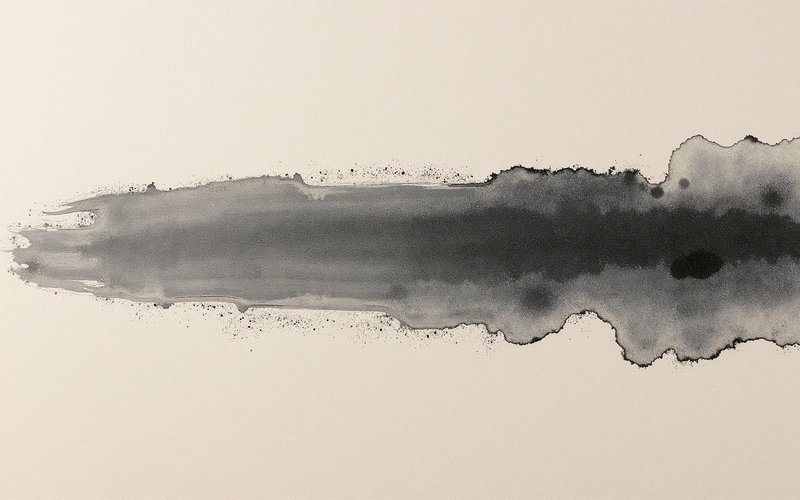
Chinese painting emphasizes capturing the spirit (qi) rather than realistic representation. Artists seek to express the essence of subjects through minimal brushstrokes. Empty space (liubai) is as important as painted areas, suggesting mist, water, or sky. The viewer completes the image through imagination. This contrasts with Western emphasis on perspective and realism.
Landscape Painting (Shanshui)
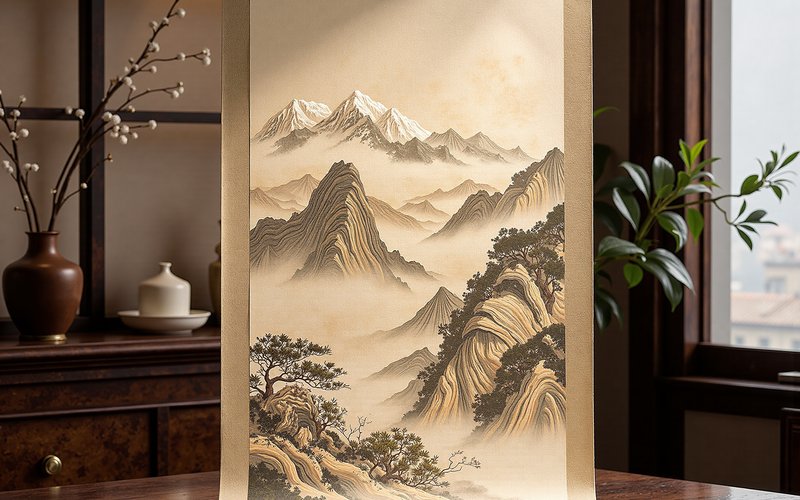
Landscape painting is the highest form of Chinese art. Mountains represent permanence and yang energy; water represents change and yin. Famous masters include Fan Kuan (Song Dynasty), Huang Gongwang (Yuan Dynasty), and Shitao (Qing Dynasty). Scroll paintings are meant to be unrolled gradually, revealing the journey through the landscape.
Bird-and-Flower Painting
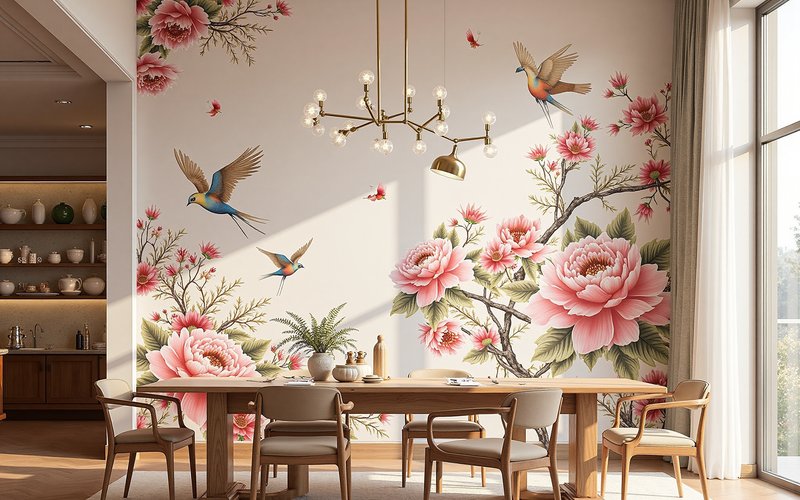
This genre depicts flowers, birds, insects, and small animals with meticulous detail or spontaneous brushwork. Peonies symbolize wealth, plum blossoms represent resilience, bamboo signifies integrity, and orchids embody elegance. Artists often add poems and seals to complete the composition. This style requires precise brush control.
Materials and Techniques
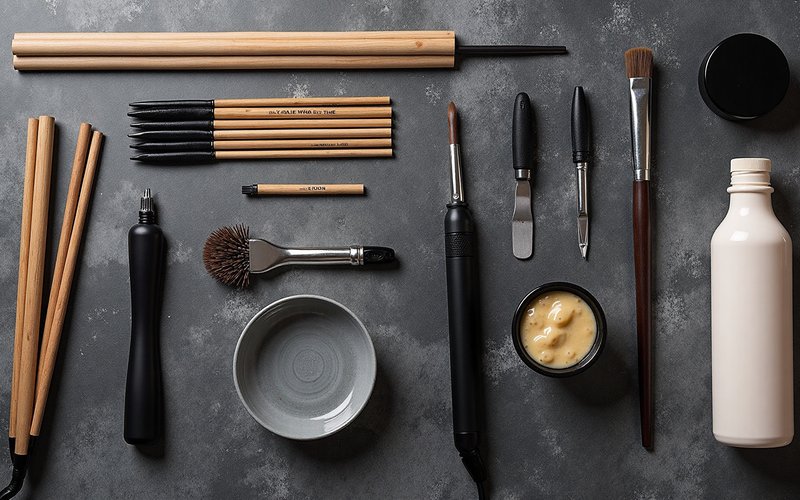
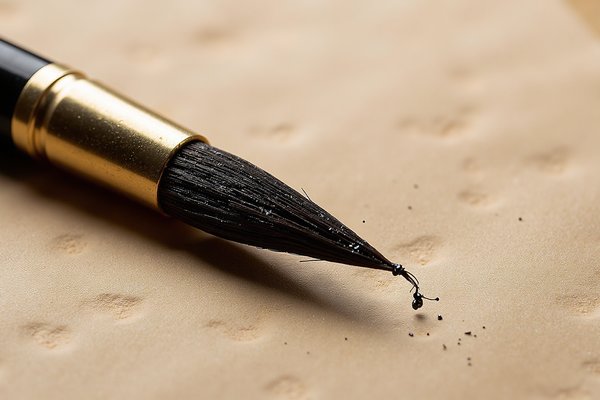
Chinese painting uses the same materials as calligraphy: brush, ink, paper, and inkstone. Rice paper (xuan paper) absorbs ink beautifully, creating soft edges. Ink tones range from deep black to pale gray through water dilution. Brushes come in various sizes and stiffness. Artists practice for decades to master brush control.
Where to See Chinese Painting
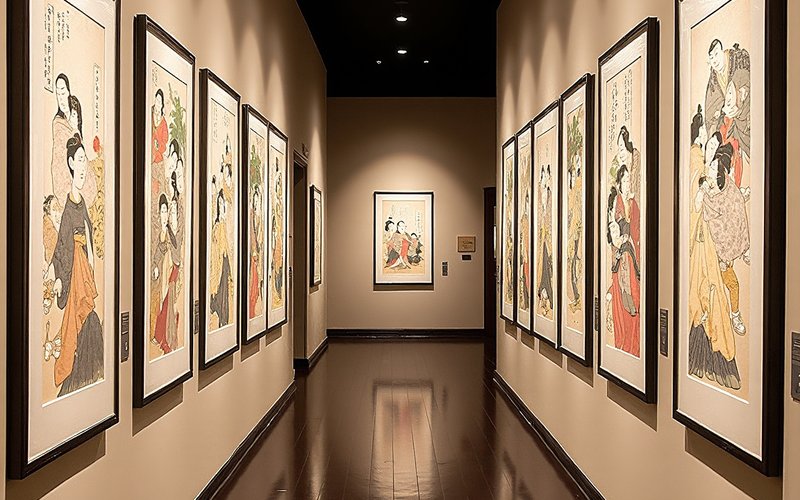
Beijing: Palace Museum has the world's finest collection of imperial paintings. Shanghai: Shanghai Museum features Song and Yuan masterpieces. Hangzhou: China National Academy of Painting showcases contemporary ink art. Many galleries in Beijing's 798 Art District exhibit modern interpretations of traditional styles.
Quick Facts
- • Chinese painting and calligraphy share the same tools
- • Landscape painting is considered the highest art form
- • Empty space is deliberately left to suggest atmosphere
- • Artists sign works with seals (chops) rather than signatures
- • Scroll paintings are viewed by unrolling from right to left
Experience This in Person
Our tours include authentic cultural experiences — tea ceremonies, cooking classes, kung fu shows, and more.
Plan My Cultural JourneyRelated Reading
Experience Chinese Culture in Person
From tea ceremonies and calligraphy workshops to Shaolin kung fu and palace visits — our private tours bring these traditions to life.