
Chinese Chess (Xiangqi): Battle Across the River
The strategic game of Chinese chess — pieces, rules, differences from Western chess, and competitive play in China.
History of Xiangqi
Chinese chess (Xiangqi) evolved from ancient war games, reaching its current form during the Song Dynasty (960-1279). The game simulates battle between two armies separated by a river. Pieces represent military roles: general, advisors, elephants, horses, chariots, cannons, and soldiers. Xiangqi remains China's most popular board game.
Game Setup and Pieces
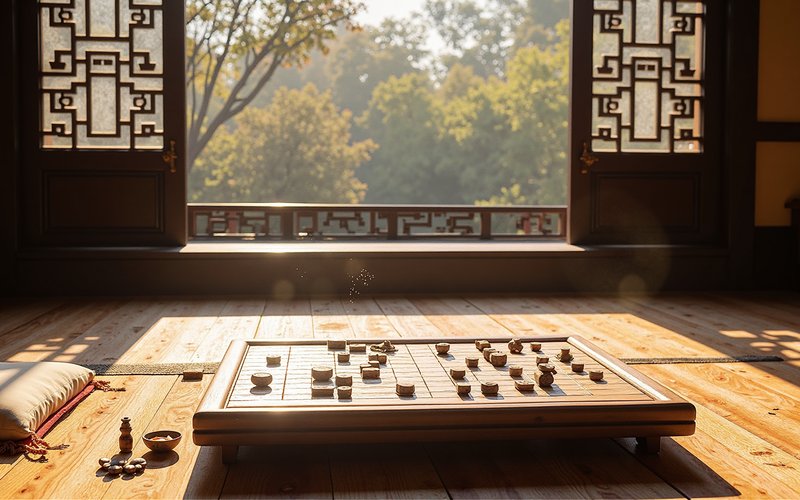
The board has 9x10 intersections with a river dividing halves. Each side has 16 pieces: 1 General (king), 2 Advisors, 2 Elephants, 2 Horses, 2 Chariots, 2 Cannons, 5 Soldiers. Pieces sit on intersections, not squares. The General stays in the palace (3x3 zone). Cannons jump over pieces to capture — a unique mechanic.
Key Differences from Western Chess
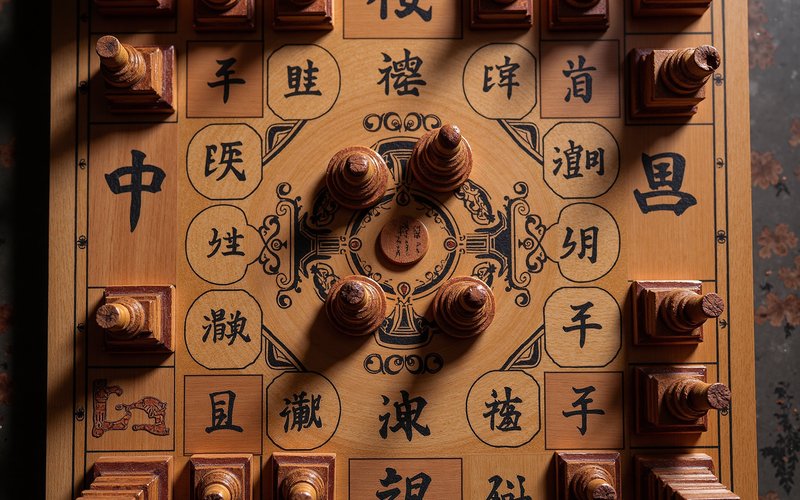
Pieces move on intersections, not squares. No queen piece. Cannons capture by jumping. Generals cannot face each other directly. Elephants cannot cross the river. The board includes a river and palace zones. Checkmate ends the game (no stalemate draws). These differences create distinct strategic considerations.
Strategy and Tactics
Early game focuses on piece development and controlling the center. Midgame involves tactical exchanges and positional advantages. Endgame requires precise calculation. Key principles: protect the General, coordinate pieces, control key points, and exploit opponent weaknesses. Cannon-horse combinations are particularly powerful. Patience and foresight win games.
Competitive Xiangqi
Professional tournaments offer substantial prizes. National championships attract top players. Computer programs now rival human masters. Parks fill with elderly players competing seriously. Children learn xiangqi in schools. Online platforms enable global competition. The game bridges generations, maintaining relevance in digital age.

Quick Facts
- • Xiangqi has 32 pieces total (16 per side)
- • Cannons capture by jumping over exactly one piece
- • Generals cannot face each other on the same file
- • Elephants cannot cross the river
- • Xiangqi is China's most popular board game
Experience This in Person
Our tours include authentic cultural experiences — tea ceremonies, cooking classes, kung fu shows, and more.
Plan My Cultural JourneyRelated Reading
Experience Chinese Culture in Person
From tea ceremonies and calligraphy workshops to Shaolin kung fu and palace visits — our private tours bring these traditions to life.