
Go (Weiqi): Ancient Strategy Game of Black and White
The profound game of Go — rules, strategy, philosophical depth, and why Go remains relevant in the AI era.
Origins of Go
Go (Weiqi) originated in China over 2,500 years ago, possibly as a divination tool. It spread to Korea and Japan, where it flourished. The game uses a 19x19 grid with black and white stones. Players alternate placing stones, aiming to surround territory. Despite simple rules, Go has more possible positions than atoms in the universe.
Basic Rules
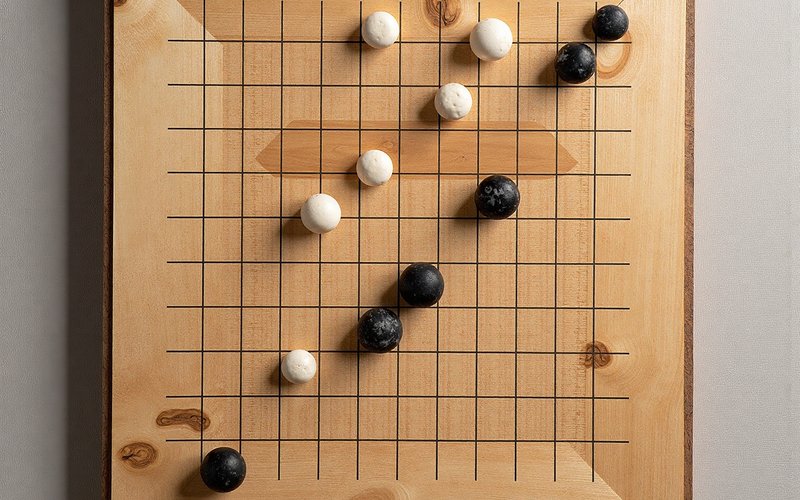
Black plays first. Stones are placed on intersections, not squares. Once placed, stones cannot move but can be captured if surrounded. The game ends when both players pass. Territory (empty points surrounded by stones) determines the winner. Captured stones count as points. Simple rules create infinite strategic possibilities.
Philosophical Depth
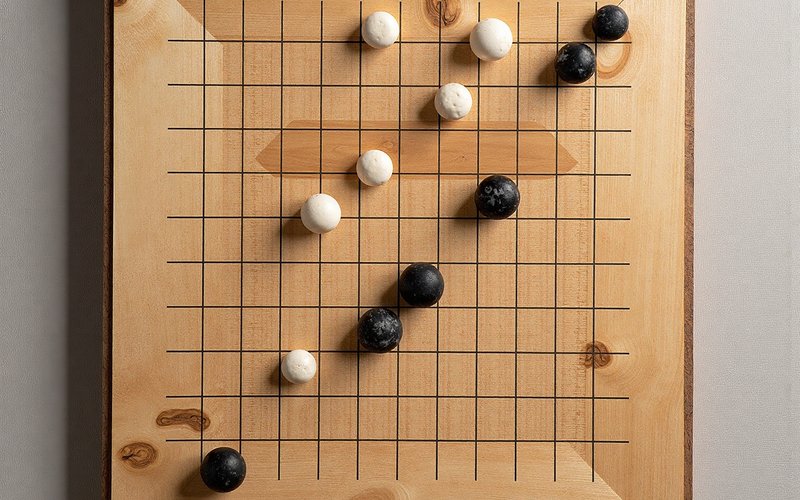
Go reflects Taoist and Confucian principles: balance, harmony, and strategic patience. Unlike chess's hierarchical structure, Go treats all stones equally. Victory comes from subtle advantage accumulation, not decisive battles. Masters describe Go as mirroring life — knowing when to fight, retreat, or sacrifice. The game cultivates character and wisdom.
Go and AI
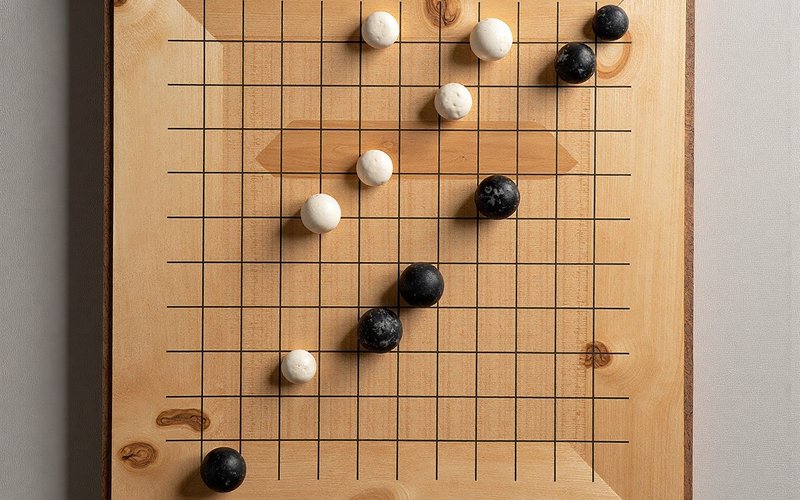
In 2016, AlphaGo defeated world champion Lee Sedol, shocking the Go community. AI revealed unconventional strategies humans hadn't considered. Rather than diminishing Go, AI expanded understanding of the game. Professional players now study AI games for insights. The human-AI dialogue continues to evolve Go theory and practice.
Learning Go in China
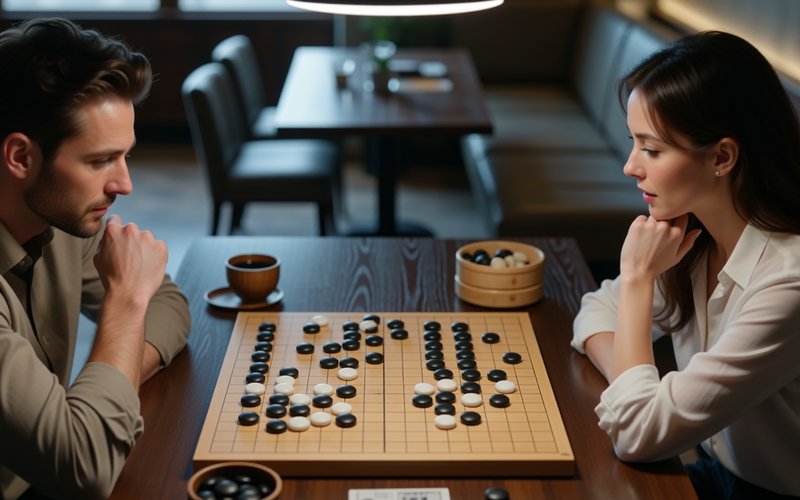
Go clubs exist in every Chinese city. Children learn Go in schools as part of cultural education. Professional tournaments attract millions of viewers. Online platforms connect players globally. Beginner lessons teach basic tactics; advanced study explores deep strategy. Go remains one of China's most respected intellectual pursuits.

Quick Facts
- • Go has more possible positions than atoms in the universe
- • AlphaGo defeated world champion Lee Sedol in 2016
- • Go originated over 2,500 years ago in China
- • The board has 19x19 intersections (361 points)
- • Go is one of the Four Arts of the Chinese Scholar
Experience This in Person
Our tours include authentic cultural experiences — tea ceremonies, cooking classes, kung fu shows, and more.
Plan My Cultural JourneyRelated Reading
Experience Chinese Culture in Person
From tea ceremonies and calligraphy workshops to Shaolin kung fu and palace visits — our private tours bring these traditions to life.