
Colors in Chinese Culture: Symbolism and Meaning
The symbolic meaning of colors in China — red for luck, white for mourning, yellow for royalty, and how colors shape cultural expression.
Red: Luck and Celebration
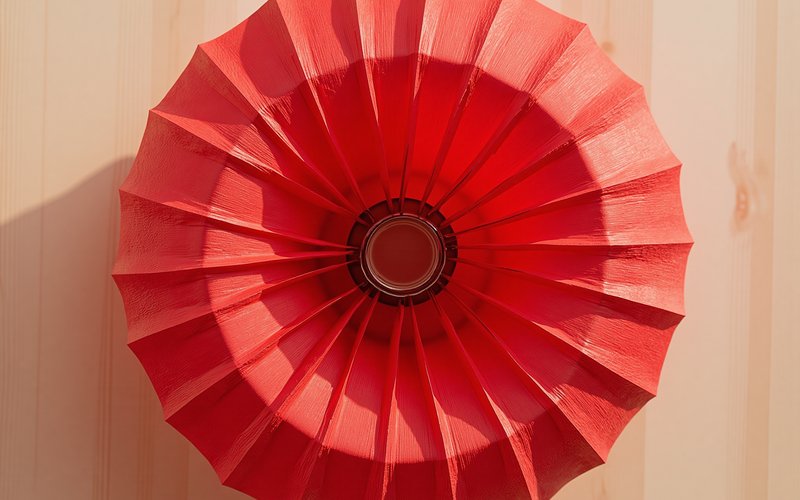
Red is the most auspicious color in Chinese culture, symbolizing happiness, prosperity, and good fortune. It dominates Chinese New Year decorations, weddings, and celebrations. Red envelopes contain money gifts. Red lanterns hang during festivals. The color wards off evil spirits. China's flag is red, representing revolution and the blood of martyrs.
Yellow: Imperial Power
Yellow was reserved for the emperor during imperial times. The Forbidden City's roof tiles are yellow. Only the emperor could wear yellow robes. Yellow represents earth, centrality, and imperial authority. Today, yellow symbolizes warmth and harvest. It's less prominent in modern design but retains historical significance.

White: Mourning and Purity
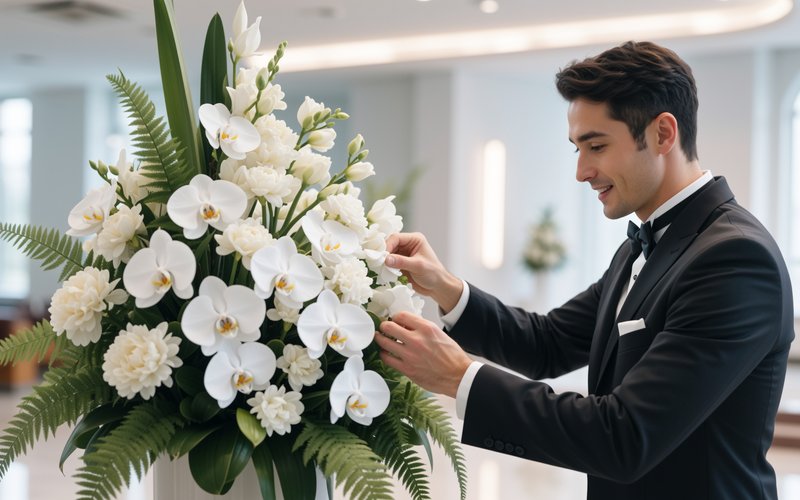
White is the color of mourning in Chinese culture, opposite to Western associations. Funeral attendees wear white. White flowers are for funerals, not celebrations. However, white also represents purity and simplicity in art and philosophy. Modern Chinese increasingly accept white wedding dresses, blending Eastern and Western traditions.
Other Color Meanings
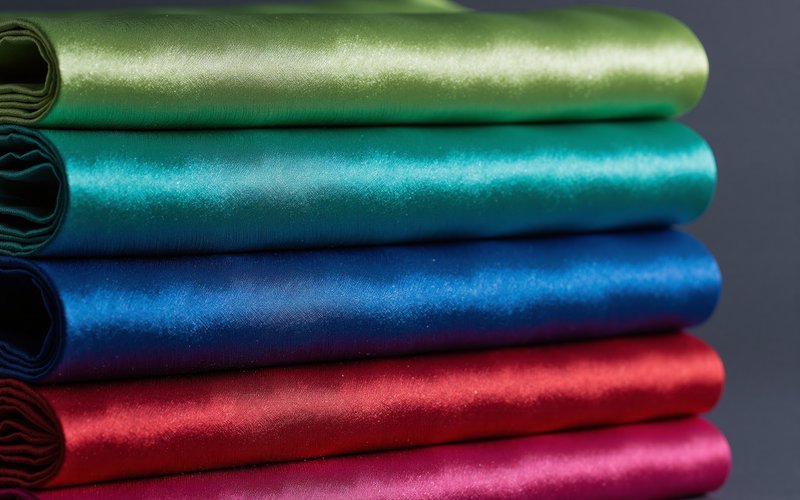
Green: Represents health, harmony, and nature. Black: Associated with water, winter, and seriousness. Blue: Symbolizes immortality and healing. Purple: Represents nobility and spirituality. Gold: Signifies wealth and prestige. Color combinations matter: red and gold are festive; white and black are somber.
Colors in Design
Traditional Chinese design uses specific color palettes. Imperial architecture features yellow roofs, red walls, and green accents. Temple colors vary by deity. Opera costumes use colors to indicate character traits. Modern Chinese designers reinterpret traditional colors for contemporary fashion, interiors, and branding.
Quick Facts
- • Red envelopes must be red — any other color is inappropriate
- • Yellow was punishable by death if worn by non-emperors
- • White funeral attire dates back 2,000 years
- • The five elements correspond to five colors
- • Chinese opera uses facial colors to indicate character traits
Experience This in Person
Our tours include authentic cultural experiences — tea ceremonies, cooking classes, kung fu shows, and more.
Plan My Cultural Journey
Experience Chinese Culture in Person
From tea ceremonies and calligraphy workshops to Shaolin kung fu and palace visits — our private tours bring these traditions to life.