
Chinese Classical Gardens: Nature in Miniature
The art of Chinese garden design — philosophy, key elements, and the most beautiful gardens in Suzhou, Hangzhou, and Beijing.
Philosophy of Chinese Gardens
Chinese gardens embody Taoist principles of harmony between humans and nature. Unlike Western formal gardens with symmetry, Chinese gardens feature asymmetrical layouts, winding paths, and carefully composed views. The goal is to create a miniature universe containing mountains, water, plants, and architecture in perfect balance.
Key Elements
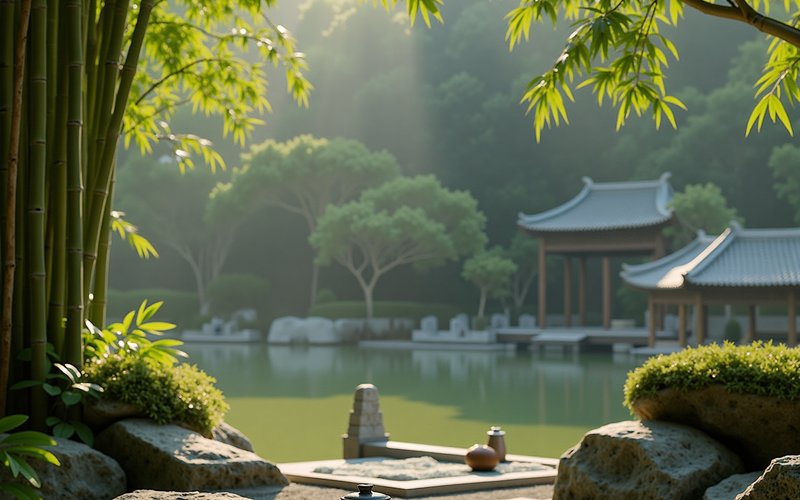
Rocks: Symbolize mountains and permanence. Water: Represents flexibility and life. Plants: Pine (longevity), bamboo (integrity), plum blossom (resilience). Pavilions: Provide resting spots and framed views. Bridges: Connect spaces and offer vantage points. Every element carries symbolic meaning and contributes to the overall composition.
Suzhou Gardens
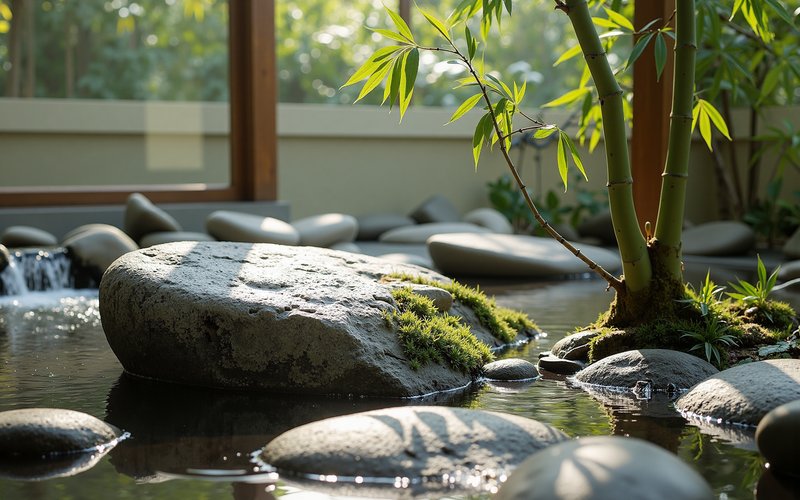
Suzhou is home to over 60 classical gardens, nine of which are UNESCO World Heritage Sites. The Humble Administrator's Garden is the largest. The Lingering Garden features exquisite rockeries. The Master of Nets Garden is the smallest but most refined. These gardens were built by scholars and officials as private retreats.
Summer Palace (Beijing)
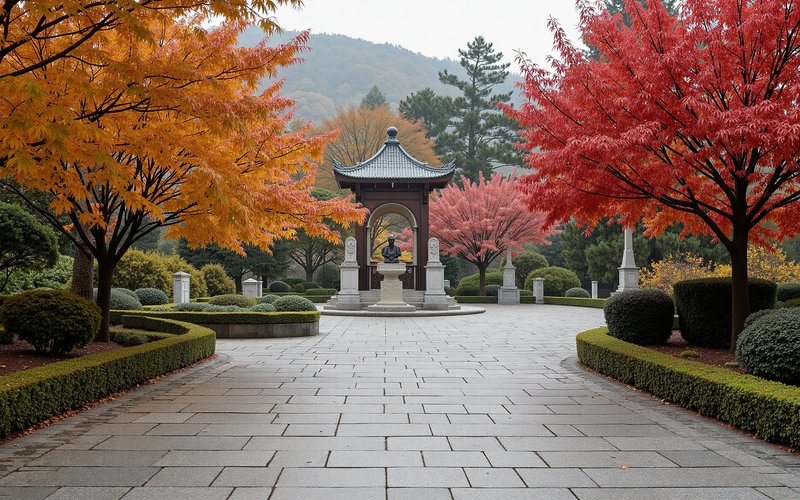
The Summer Palace is China's largest and best-preserved imperial garden. Covering 290 hectares, it features Kunming Lake, Longevity Hill, the Long Corridor (728 meters of painted galleries), and the Marble Boat. Built during the Qing Dynasty, it served as the emperors' summer retreat from the Forbidden City's heat.
West Lake Gardens (Hangzhou)
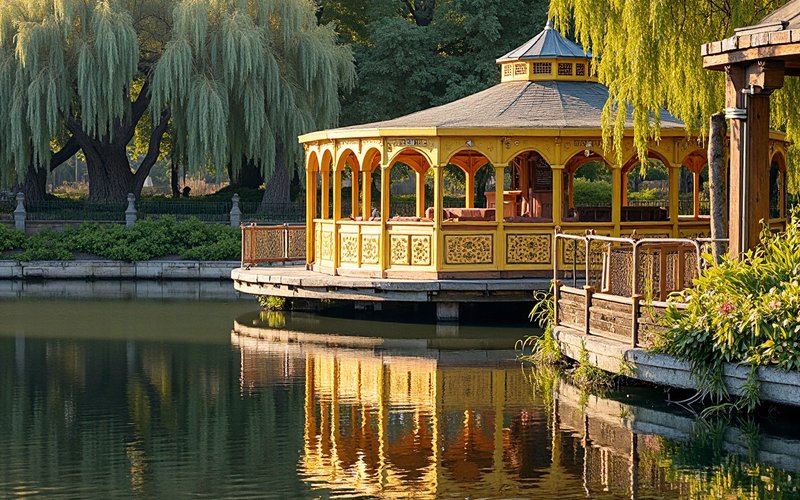
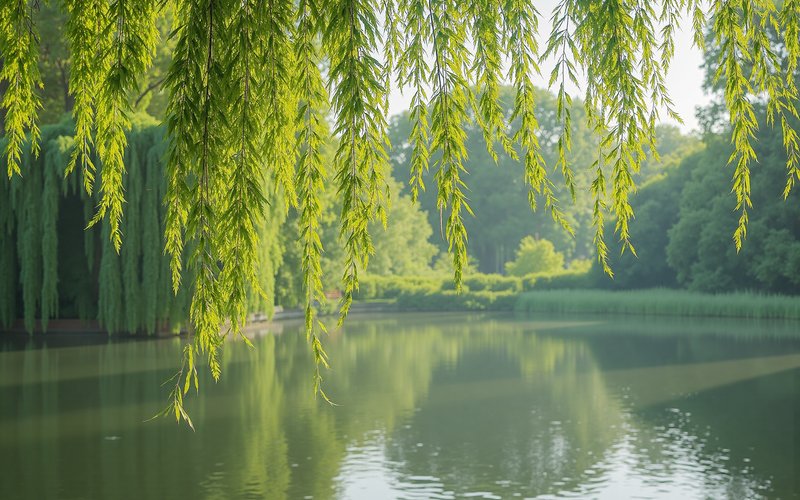
West Lake is surrounded by gardens, temples, and pagodas that inspired poets and painters for centuries. Key sites include the Three Pools Mirroring the Moon, Broken Bridge, and Su Causeway. The area exemplifies the ideal of "paradise on earth" in Chinese aesthetics. Best visited in spring when willows bloom and peach trees flower.
Quick Facts
- • Suzhou has over 60 classical gardens, 9 are UNESCO sites
- • Chinese gardens use "borrowed scenery" to incorporate distant views
- • The Summer Palace was destroyed and rebuilt twice
- • Rock selection is an art — Taihu rocks are most prized
- • Gardens change appearance with seasons, weather, and time of day
Experience This in Person
Our tours include authentic cultural experiences — tea ceremonies, cooking classes, kung fu shows, and more.
Plan My Cultural Journey
Experience Chinese Culture in Person
From tea ceremonies and calligraphy workshops to Shaolin kung fu and palace visits — our private tours bring these traditions to life.