
Chinese Incense Culture: Fragrance and Spirituality
The art of Chinese incense — types, burning ceremonies, spiritual significance, and how incense shapes Chinese sensory culture.
History of Incense in China
Incense burning entered China via the Silk Road around 2,000 years ago, initially for religious rituals. By the Song Dynasty, incense appreciation became a refined art among scholars. Incense clubs formed, members competing to identify fragrances blindfolded. The practice influenced Japanese kodo (way of incense). Today, incense remains integral to temples and homes.
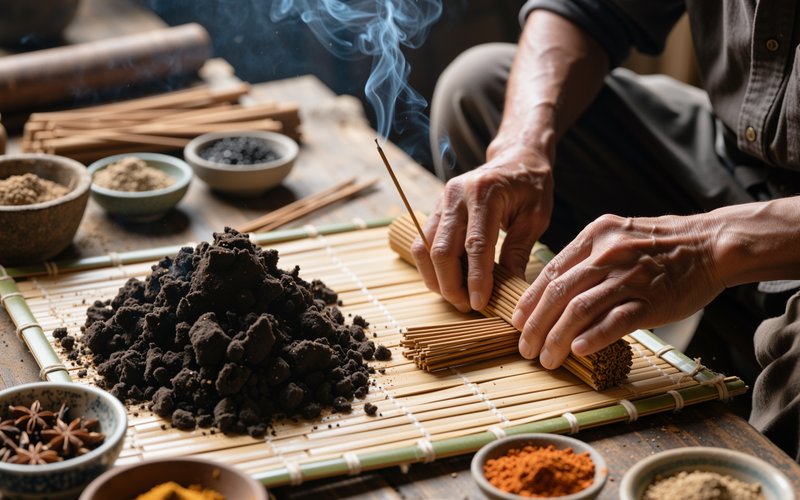
Types of Chinese Incense
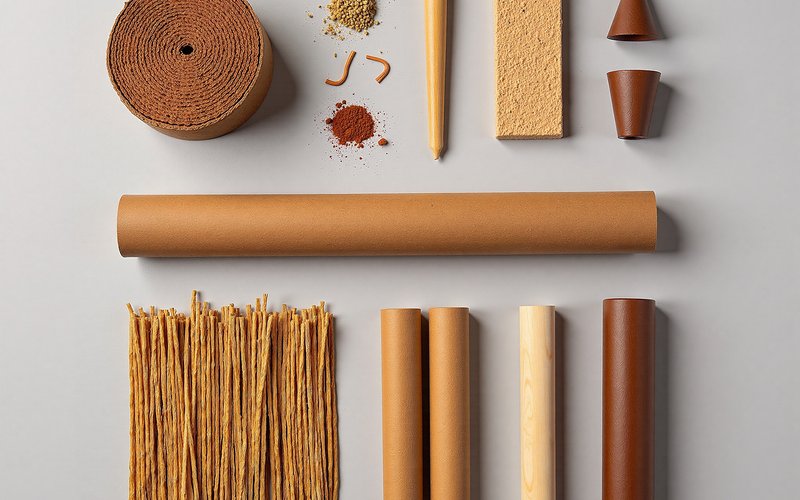
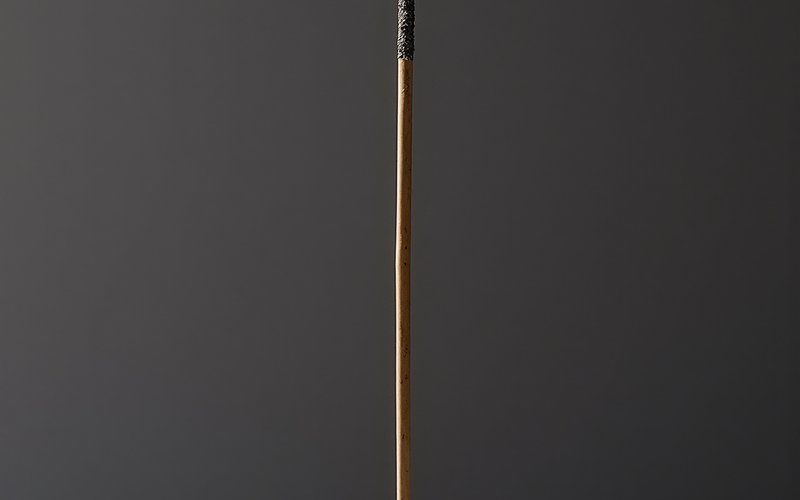
Stick incense: Most common, burned vertically in holders. Coil incense: Burns for hours, used in temples. Cone incense: Compact, intense fragrance. Powder incense: Burned on charcoal for ceremonies. Agarwood (chenxiang): Most precious, from resinous heartwood. Sandalwood: Calming, meditative scent. Each type serves different purposes.
Incense in Temples
Visitors burn incense at temples to show respect and make wishes. Typically three sticks are offered: one for Buddha, one for Dharma, one for Sangha. Incense smoke carries prayers heavenward. Large temples sell incense bundles. Burning incense purifies the space and creates meditative atmosphere. Proper etiquette: bow before inserting sticks.
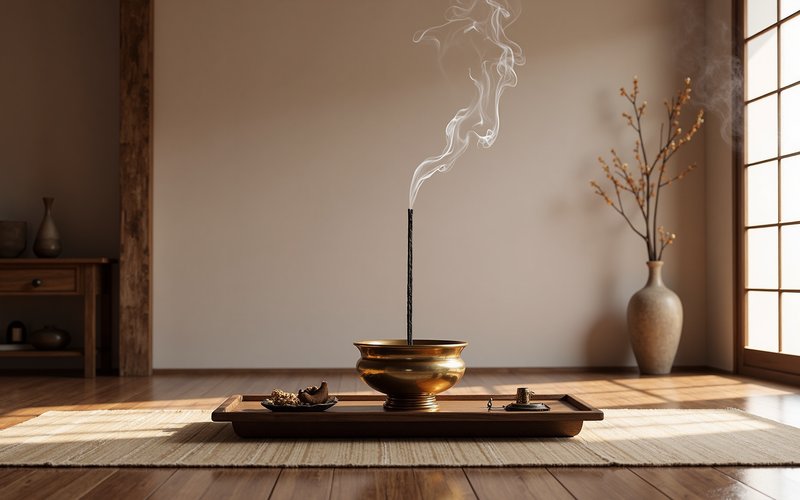
Scholar's Incense Appreciation
Song Dynasty scholars developed incense appreciation as a refined pastime. They gathered to identify fragrances, compose poems inspired by scents, and discuss incense ingredients. Special utensils included incense burners, tweezers, and ash containers. This tradition influenced tea ceremony and flower arrangement, forming the "Four Arts of the Scholar."
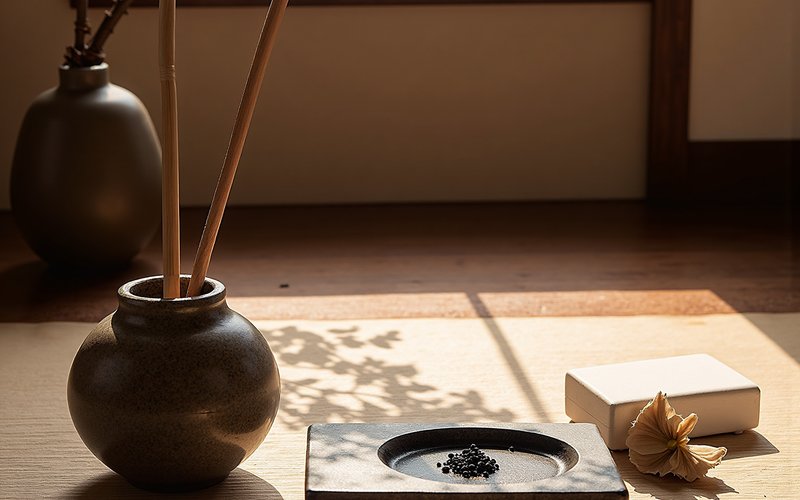
Modern Incense Culture
Contemporary Chinese use incense for meditation, yoga, and home fragrance. Boutique incense shops offer artisanal blends. Incense festivals showcase traditional and modern creations. Health-conscious consumers seek natural, chemical-free options. Incense-making workshops teach traditional techniques. The practice bridges ancient spirituality with modern wellness trends.
Quick Facts
- • Incense entered China via the Silk Road 2,000 years ago
- • Three sticks represent Buddha, Dharma, and Sangha
- • Agarwood is the most precious incense material
- • Song Dynasty scholars held incense appreciation competitions
- • Incense smoke symbolically carries prayers to heaven
Experience This in Person
Our tours include authentic cultural experiences — tea ceremonies, cooking classes, kung fu shows, and more.
Plan My Cultural Journey
Experience Chinese Culture in Person
From tea ceremonies and calligraphy workshops to Shaolin kung fu and palace visits — our private tours bring these traditions to life.