
Jade in Chinese Culture: Stone of Heaven
The revered jade stone in China — types, symbolism, carving traditions, and how to identify authentic jade jewelry.
Jade's Cultural Significance
Jade (yu) has been valued in China for 8,000 years, longer than gold. Confucius associated jade with virtues: benevolence, righteousness, wisdom, courage, and purity. Jade amulets protect wearers from harm. Imperial seals were carved from jade. The phrase "gold has a price, jade is priceless" reflects its cultural value beyond monetary worth.
Types of Jade
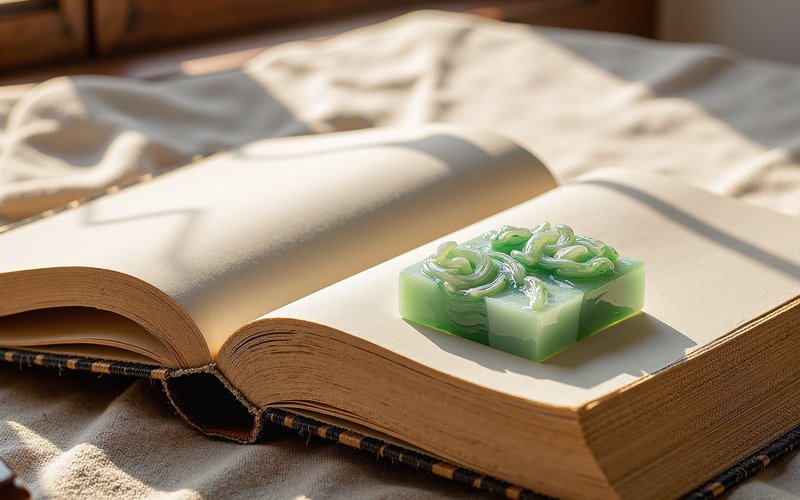
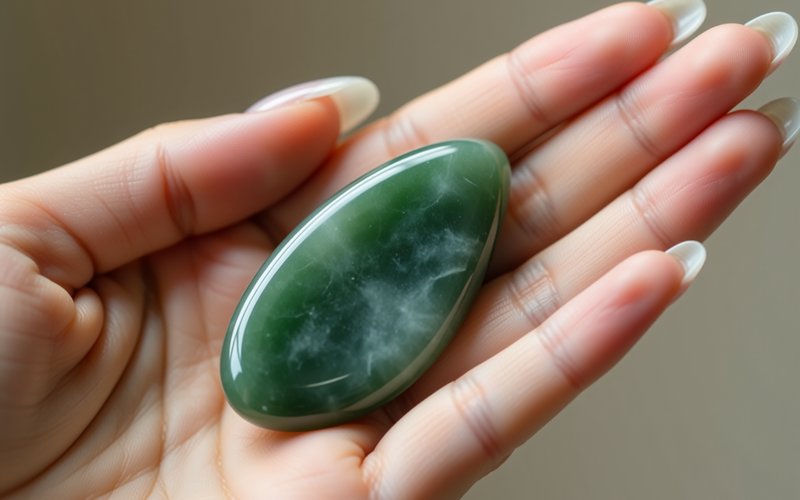
Nephrite: Traditional Chinese jade, ranging from white to dark green. Softer and more common. Jadeite: Harder, brighter green, imported from Myanmar. More valuable. Hetian jade (Xinjiang): Prized white nephrite, historically reserved for emperors. Feicui: High-quality jadeite with vivid green color. Understanding types helps buyers avoid counterfeits.
Jade Carving Traditions
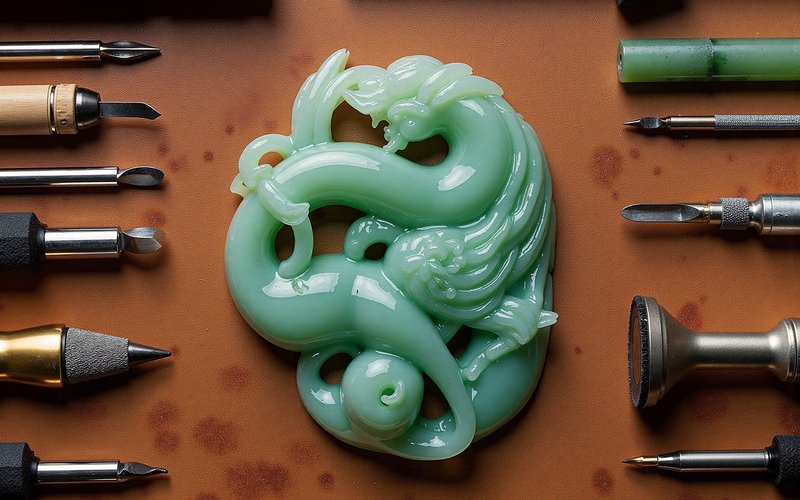
Master carvers spend years training to work with jade's hardness. Traditional motifs include dragons, phoenixes, bats, and peaches. Modern pieces feature abstract designs. Carving tools range from ancient stone drills to modern diamond bits. A single pendant may take weeks to complete. Signed pieces by renowned masters command premium prices.
Buying Jade in China
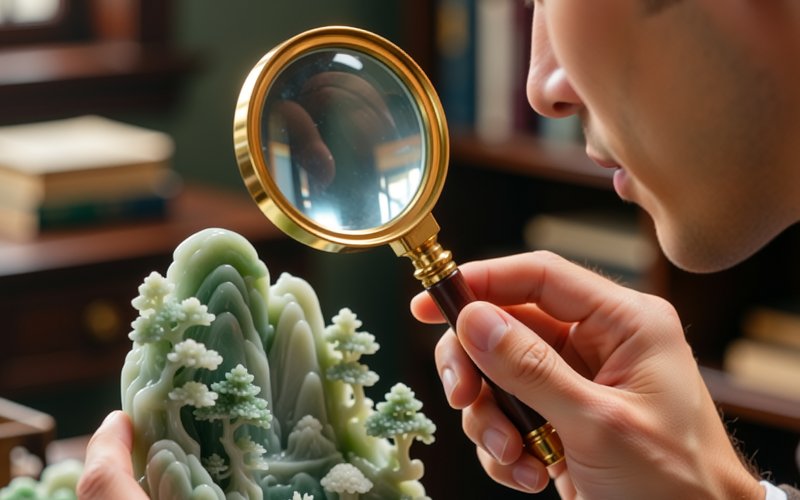
Authentic jade requires expertise to identify. Buy from reputable dealers with certificates. Test: real jade feels cold, has natural inclusions, and produces a clear ring when tapped. Prices range from ¥100 for simple beads to ¥100,000+ for master carvings. Beware of dyed or plastic imitations sold as jade. Ask for return policies.
Jade Jewelry and Care
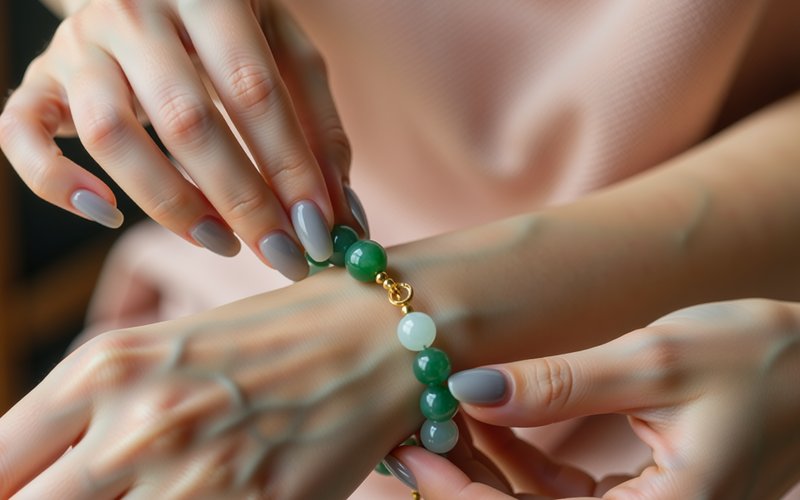
Jade is worn as pendants, bracelets, rings, and earrings. It's believed to absorb negative energy and protect health. Clean with soft cloth and mild soap. Avoid harsh chemicals and extreme temperatures. Store separately to prevent scratching. Regular wearing polishes jade naturally. Many believe jade changes color as it absorbs the wearer's qi.
Quick Facts
- • Jade has been valued in China for 8,000 years
- • Hetian white jade was reserved for emperors
- • Real jade feels cold to the touch
- • Jade is harder than steel but brittle
- • The word "jade" comes from Spanish "piedra de ijada"
Experience This in Person
Our tours include authentic cultural experiences — tea ceremonies, cooking classes, kung fu shows, and more.
Plan My Cultural Journey
Experience Chinese Culture in Person
From tea ceremonies and calligraphy workshops to Shaolin kung fu and palace visits — our private tours bring these traditions to life.