
Chinese Knots: Decorative Art with Auspicious Meanings
The intricate art of Chinese knotting — types, symbolic meanings, crafting techniques, and how knots decorate homes and gifts.
History of Chinese Knots
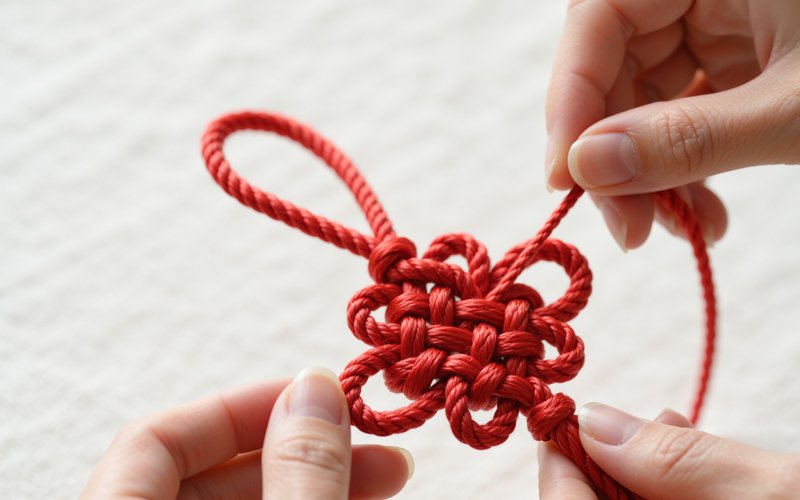
Chinese knotting dates to the Paleolithic era, initially used for recording events before writing. By the Tang Dynasty, knots became decorative art. During the Qing Dynasty, they adorned clothing, accessories, and home decor. Different knots convey specific meanings. The art nearly disappeared but has experienced revival since the 1980s.
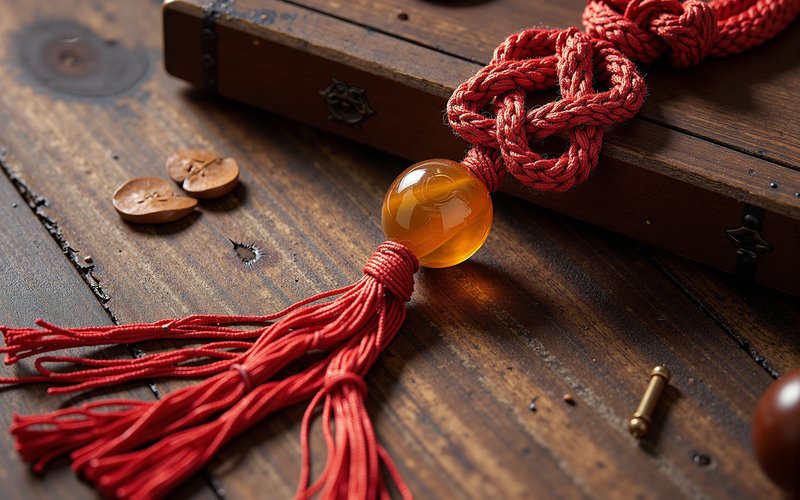
Common Knot Types
Pan Chang knot: Endless loop symbolizing longevity. Double Coin knot: Two interlocked circles for wealth. Butterfly knot: Represents love and happiness. Flower knot: Blooming prosperity. Good Luck knot: General auspiciousness. Each knot has specific tying techniques passed down through generations. Masters can tie complex knots blindfolded.
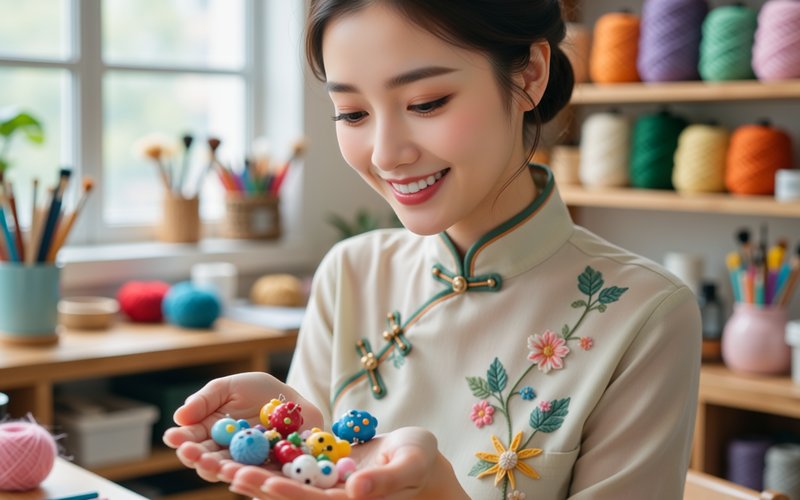
Materials and Colors
Traditional knots use red silk or cotton cord. Red symbolizes luck and joy. Gold thread adds luxury. Modern knots incorporate various colors for different occasions: pink for romance, green for health, purple for nobility. Cord thickness varies from fine thread to thick rope. Quality cord maintains shape and color over time.
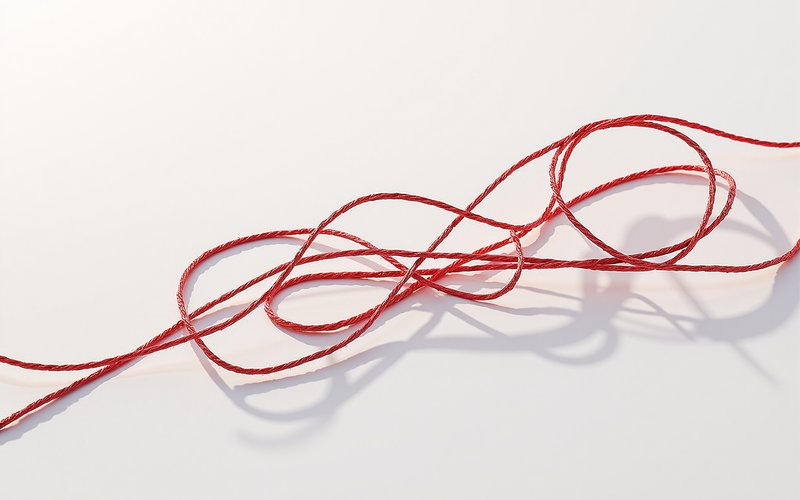
Uses and Placement
Knots hang on walls, doors, and windows for decoration and protection. They adorn gift packages, especially during festivals. Cars display knots for safe travels. Weddings feature knots symbolizing union. Businesses hang knots for prosperity. Size ranges from tiny jewelry accents to large wall hangings. Placement follows feng shui principles.
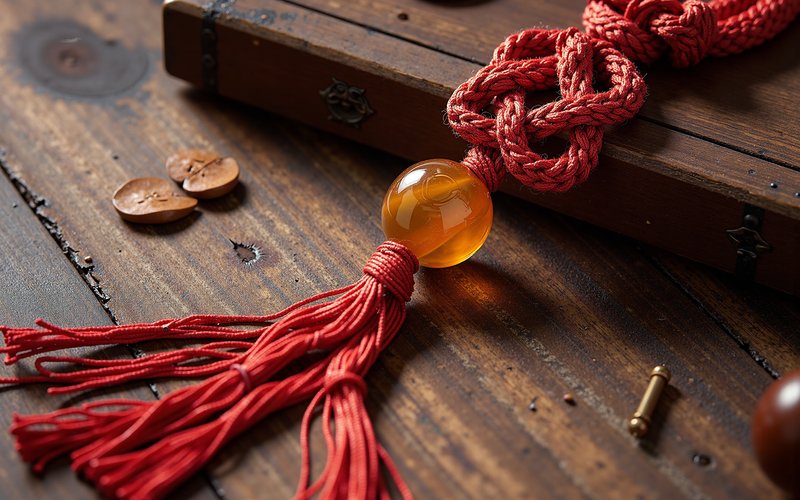
Learning to Tie Knots
Beginner knots require patience and practice. Start with simple overhand knots, progressing to complex designs. Online tutorials provide step-by-step instructions. Workshops in Beijing and Shanghai teach traditional techniques. Essential tools: cord, pins, and a foam board. Mastery takes months. Many learn from elders, preserving family traditions.
Quick Facts
- • Chinese knotting dates back 10,000 years
- • Red cord symbolizes luck and protection
- • Masters can tie complex knots blindfolded
- • Different knots convey specific auspicious meanings
- • The art experienced revival since the 1980s
Experience This in Person
Our tours include authentic cultural experiences — tea ceremonies, cooking classes, kung fu shows, and more.
Plan My Cultural Journey
Experience Chinese Culture in Person
From tea ceremonies and calligraphy workshops to Shaolin kung fu and palace visits — our private tours bring these traditions to life.