
Paper Cutting: Scissors, Red Paper, and Folk Art
The delicate art of Chinese paper cutting — techniques, symbolic patterns, regional styles, and how to learn this traditional craft.
History of Paper Cutting
Paper cutting emerged after paper's invention during the Han Dynasty (206 BC - 220 AD). Initially used for religious rituals and funeral offerings, it evolved into decorative art. By the Tang Dynasty, paper cuttings adorned windows, doors, and gifts. The art spread to rural areas, where women created intricate designs without formal training.
Techniques and Tools
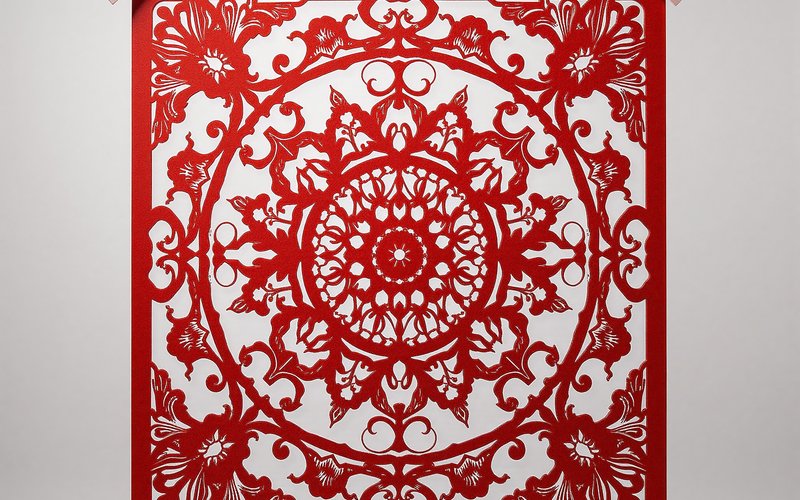
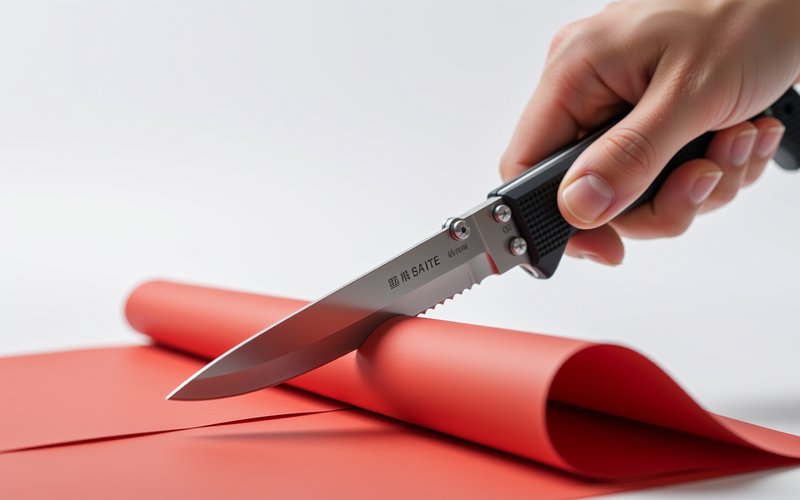
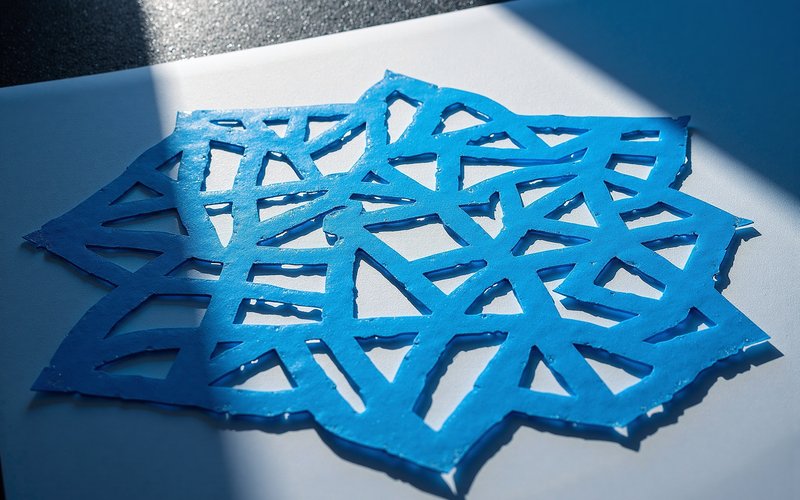
Artists use scissors or knives to cut folded red paper. Scissors allow freehand creativity; knives enable precise, intricate patterns. Masters can cut complex designs without drawing guidelines. Symmetrical patterns result from folding paper before cutting. Advanced techniques include layering multiple colors and creating three-dimensional effects.
Symbolic Patterns
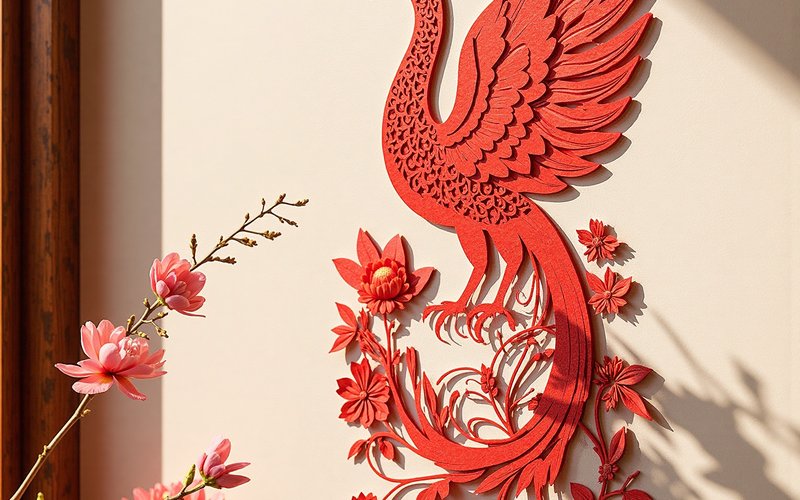
Common motifs carry auspicious meanings: bats (good fortune), fish (abundance), peonies (wealth), dragons (power), phoenixes (harmony), and the character "fu" (blessing). Zodiac animals appear during their respective years. Wedding cuttings feature double happiness (囍) and mandarin ducks (marital bliss). Each pattern tells a story or conveys wishes.
Regional Styles
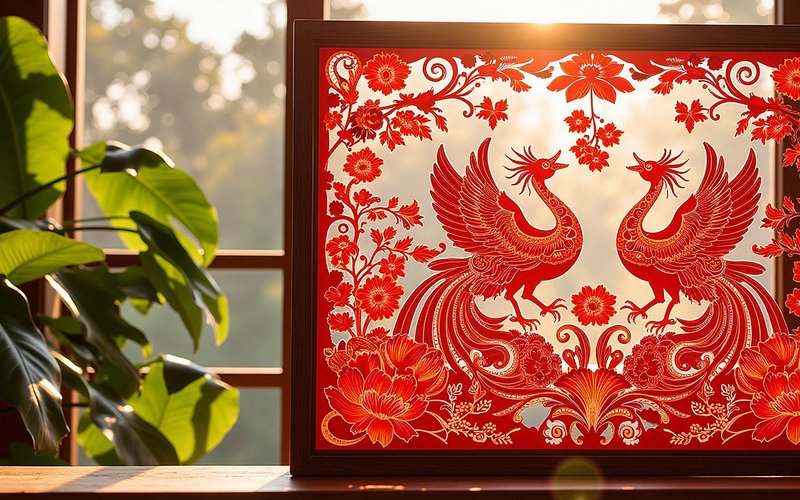
Northern style (Shaanxi, Hebei): Bold, simple designs with strong lines. Southern style (Jiangsu, Zhejiang): Delicate, intricate patterns with fine details. Foshan (Guangdong): Multi-colored layered cuttings. Yuxian (Hebei): Known for window flower cuttings. Each region reflects local aesthetics and cultural preferences.
Learning Paper Cutting
Workshops in Beijing, Xi'an, and Shanghai offer beginner classes. Start with simple symmetrical designs, progressing to complex scenes. Online tutorials provide step-by-step guidance. Essential supplies: red paper, sharp scissors, and patience. Practice improves precision. Many artists begin learning from grandmothers, preserving family traditions.
Quick Facts
- • Paper cutting dates back 1,500 years
- • Masters can cut without drawing guidelines first
- • Red paper symbolizes luck and joy
- • UNESCO recognizes paper cutting as intangible heritage
- • Symmetrical designs result from folding paper before cutting
Experience This in Person
Our tours include authentic cultural experiences — tea ceremonies, cooking classes, kung fu shows, and more.
Plan My Cultural Journey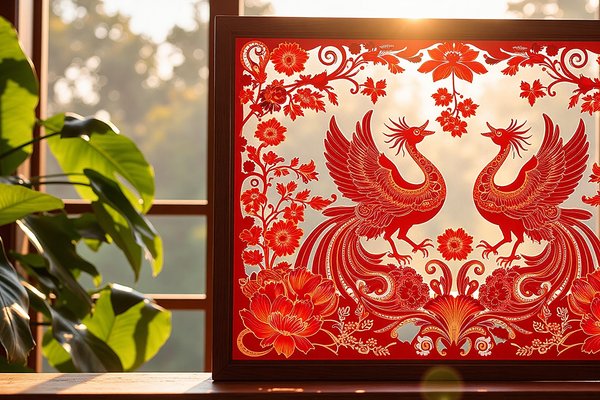

Experience Chinese Culture in Person
From tea ceremonies and calligraphy workshops to Shaolin kung fu and palace visits — our private tours bring these traditions to life.