
Chinese Classical and Folk Dance: Grace and Storytelling
The beauty of Chinese dance — classical techniques, ethnic folk dances, lion dances, and how movement tells stories in Chinese culture.
Chinese Classical Dance
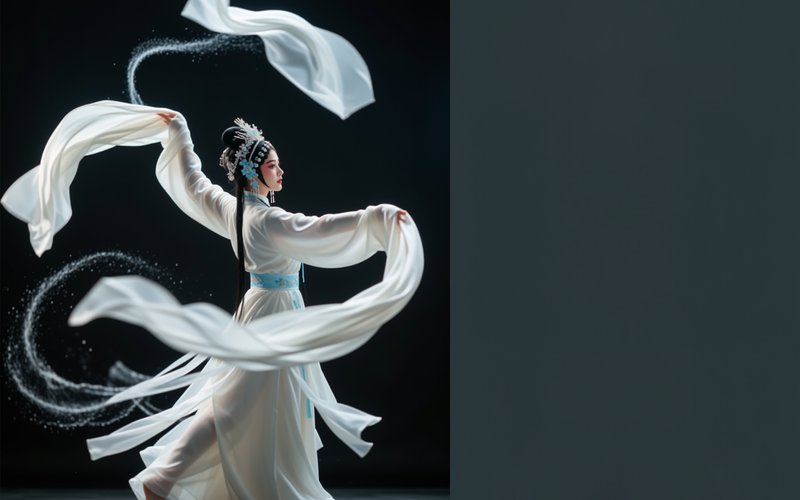
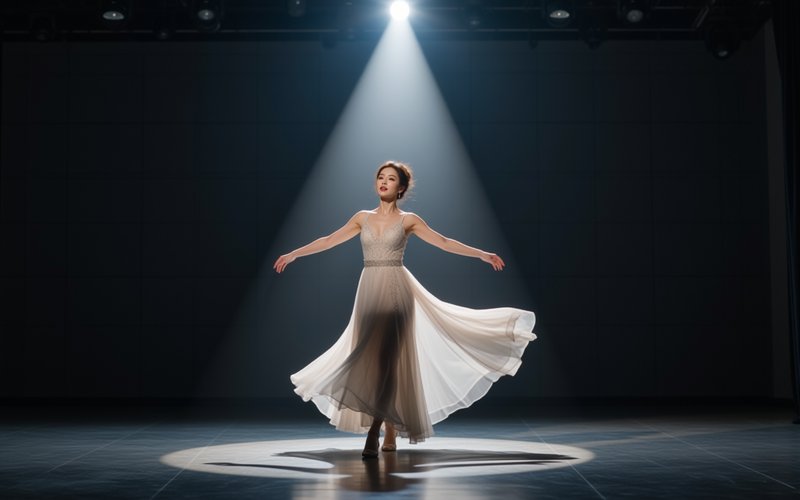
Chinese classical dance combines ballet-like techniques with traditional opera movements. Key elements include circular arm movements, flexible torso bends, and expressive hand gestures. Water sleeves (long silk extensions) create flowing visual effects. Dancers train from childhood in conservatories. The art form was revived in the 1950s after declining during the Qing Dynasty.
Ethnic Folk Dances
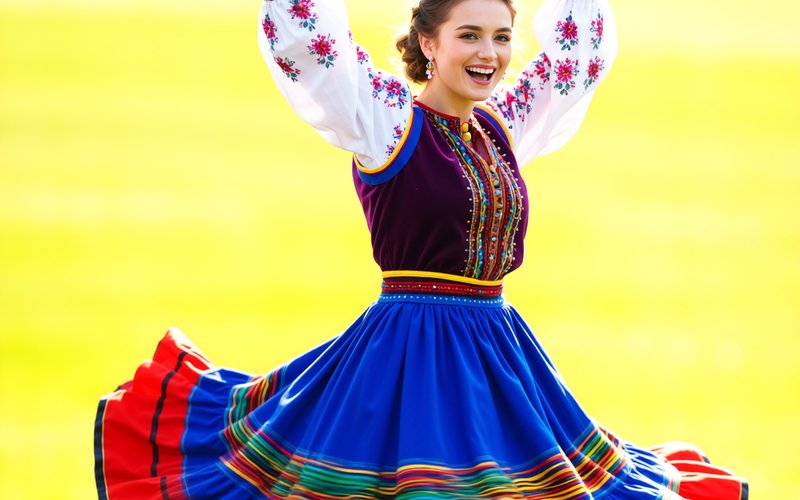
Each ethnic group has distinctive dances: Uyghur dance features rapid head movements and wrist circles. Tibetan dance involves rhythmic stomping and long sleeves. Dai peacock dance mimics bird movements with graceful hand gestures. Mongolian dance emphasizes shoulder shaking and horse-riding motions. These dances celebrate harvests, weddings, and festivals.
Lion and Dragon Dances
Lion dance features two performers in a lion costume, accompanied by drums and cymbals. The lion "eats" lettuce and red envelopes for good luck. Dragon dance involves 9-15 performers holding a long dragon on poles, making it undulate. Both dances ward off evil spirits and bring prosperity. They're performed during Chinese New Year and openings.
Yangge (Rural Folk Dance)
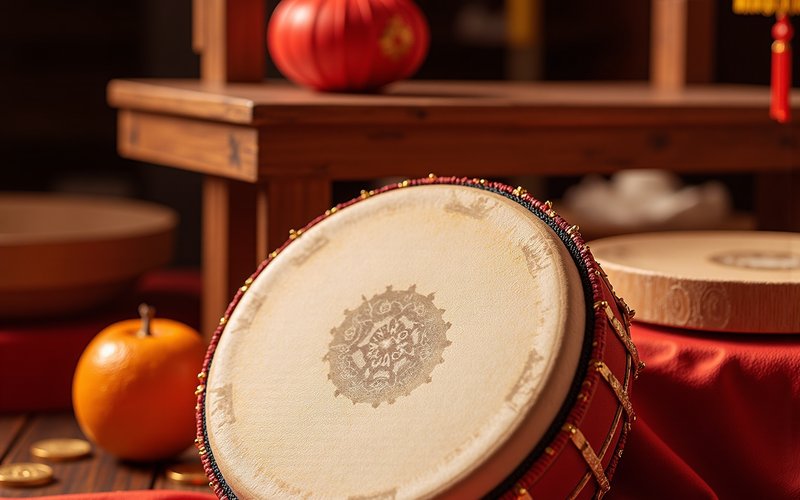
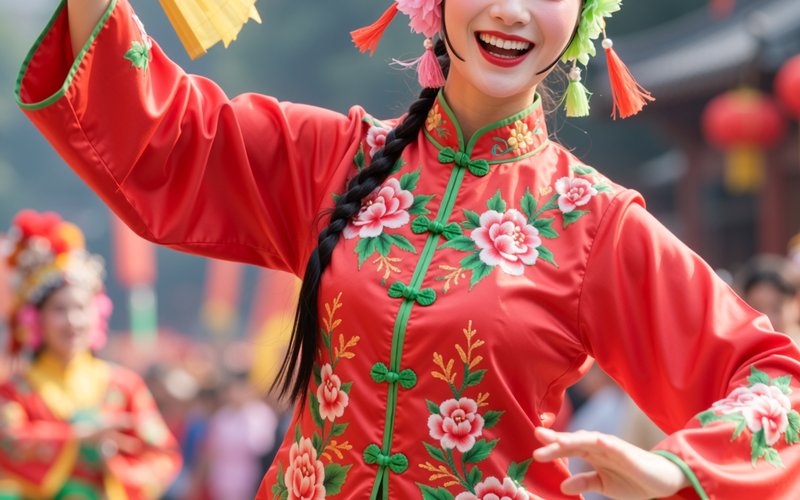
Yangge is a lively folk dance from northern China, performed during festivals. Dancers carry fans, handkerchiefs, or drums, moving in circles with energetic steps. The dance celebrates agricultural life and community bonding. Regional variations exist across provinces. Yangge teams compete at festivals, showcasing local pride and creativity.
Modern Chinese Dance
Contemporary Chinese choreographers blend traditional techniques with modern dance. Companies like Cloud Gate Dance Theatre (Taiwan, China) and Beijing Dance Theatre gain international recognition. Productions like "The Legend of the Red Lantern" and "Silk Road" combine dance, music, and visual spectacle. Dance competitions and festivals promote innovation.
Quick Facts
- • Water sleeves can extend up to 3 meters in length
- • Dragon dance teams require 9-15 coordinated performers
- • Chinese classical dance training begins at age 6-8
- • Each ethnic minority has at least one distinctive dance style
- • Lion dance originated during the Tang Dynasty (618-907 AD)
Experience This in Person
Our tours include authentic cultural experiences — tea ceremonies, cooking classes, kung fu shows, and more.
Plan My Cultural Journey
Experience Chinese Culture in Person
From tea ceremonies and calligraphy workshops to Shaolin kung fu and palace visits — our private tours bring these traditions to life.