
Shadow Puppetry: Ancient Chinese Cinema
The art of shadow puppetry in China — leather figures, storytelling traditions, and efforts to preserve this endangered art form.
Origins of Shadow Puppetry
Shadow puppetry (piyingxi) originated during the Han Dynasty (206 BC - 220 AD). Legend says Emperor Wu created shadows to console himself after his favorite concubine's death. The art spread along the Silk Road, influencing Turkish and Indonesian shadow theater. Performances combine visual art, music, and oral storytelling.
Making Shadow Puppets
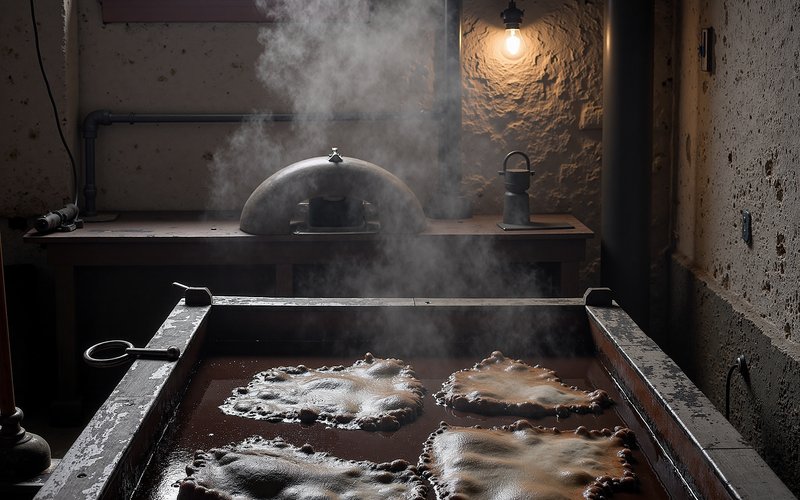
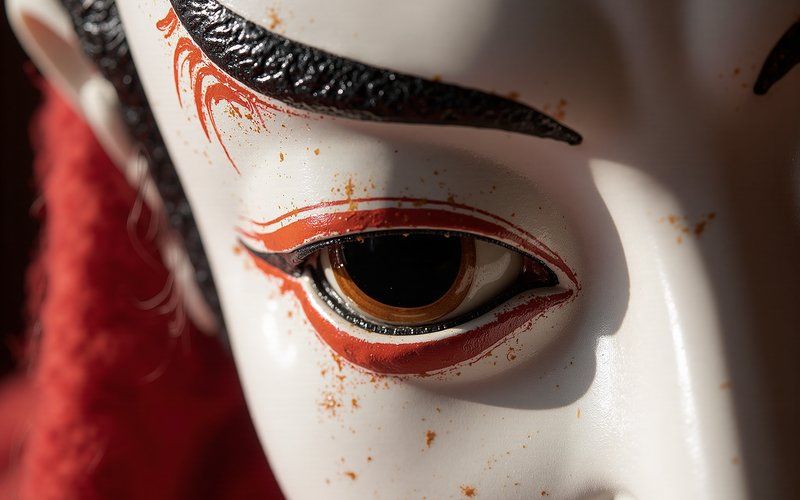
Puppets are crafted from donkey or ox hide, scraped thin and treated with oil for transparency. Artisans carve intricate designs with knives, then paint with mineral pigments. Joints are connected with thread, allowing movement. A single character may have 11 movable parts. Creating a set takes weeks. Masters pass techniques through apprenticeships.
Performance Techniques
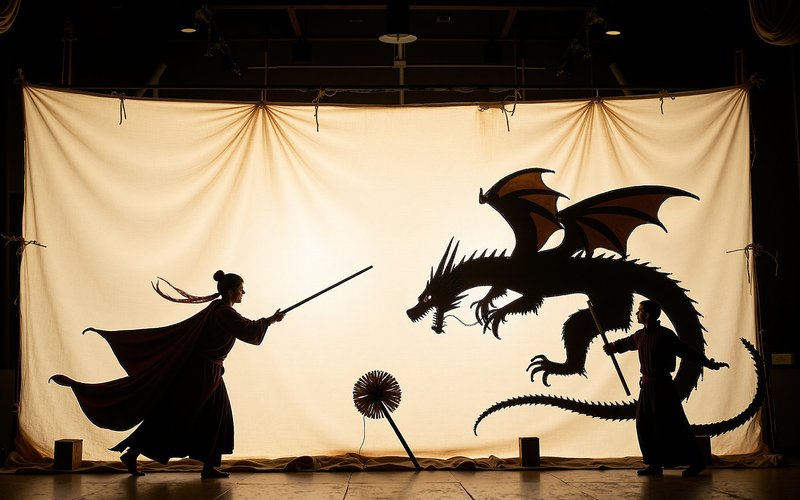
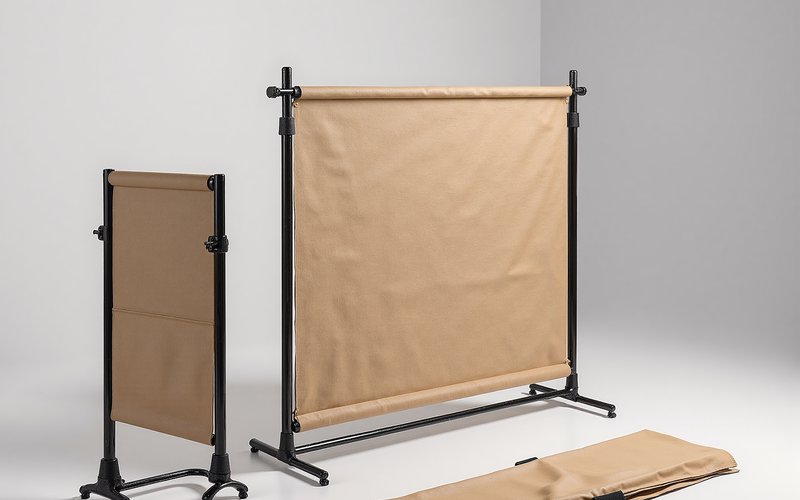
Performers manipulate puppets behind a white screen lit from behind. One person may control multiple puppets while narrating and singing. Musicians accompany with erhu, gongs, and drums. Stories come from history, mythology, and folklore. Skilled performers make puppets walk, fight, fly, and express emotions through subtle movements.
Regional Styles
Shaanxi style: Delicate carving, high-pitched singing. Hebei style: Bold designs, robust voices. Sichuan style: Colorful puppets, comedic stories. Each region has distinct musical accompaniment, dialects, and repertoire. Shaanxi and Tangshan shadow puppetry are recognized as national intangible cultural heritage.
Preservation Efforts
Shadow puppetry faces decline as entertainment options multiply. The government designates inheritors and funds training programs. Museums collect antique puppets. Some troupes adapt stories for children. Tourist venues offer shortened performances. International collaborations introduce shadow puppetry to new audiences. Digital archives preserve techniques for future generations.

Quick Facts
- • Shadow puppetry influenced early animation techniques
- • A complete puppet set contains 50-100 characters
- • Donkey hide is preferred for its translucency
- • UNESCO recognizes Chinese shadow puppetry as intangible heritage
- • Performances can last 3-4 hours for full epics
Experience This in Person
Our tours include authentic cultural experiences — tea ceremonies, cooking classes, kung fu shows, and more.
Plan My Cultural Journey
Experience Chinese Culture in Person
From tea ceremonies and calligraphy workshops to Shaolin kung fu and palace visits — our private tours bring these traditions to life.