
Chinese Opera: Traditional Performing Arts
Discover the colorful world of Chinese opera — from Peking Opera to regional styles, costumes, masks, and musical traditions.
What is Chinese Opera?
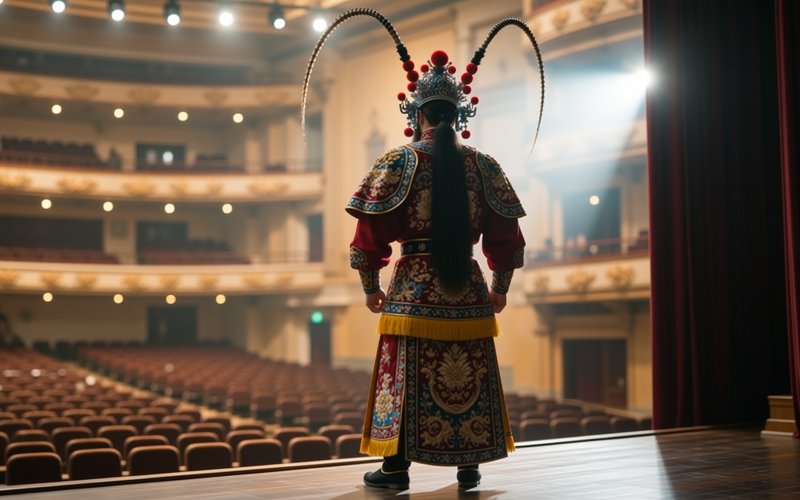
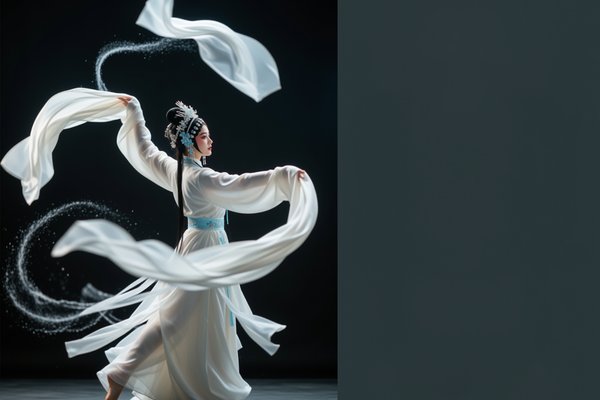
Chinese opera is a comprehensive performing art combining music, singing, acting, martial arts, and acrobatics. Unlike Western opera, it emphasizes stylized movements, symbolic gestures, and elaborate costumes. There are over 300 regional opera styles across China, each with distinct musical systems, dialects, and performance conventions.
Peking Opera (Jingju)
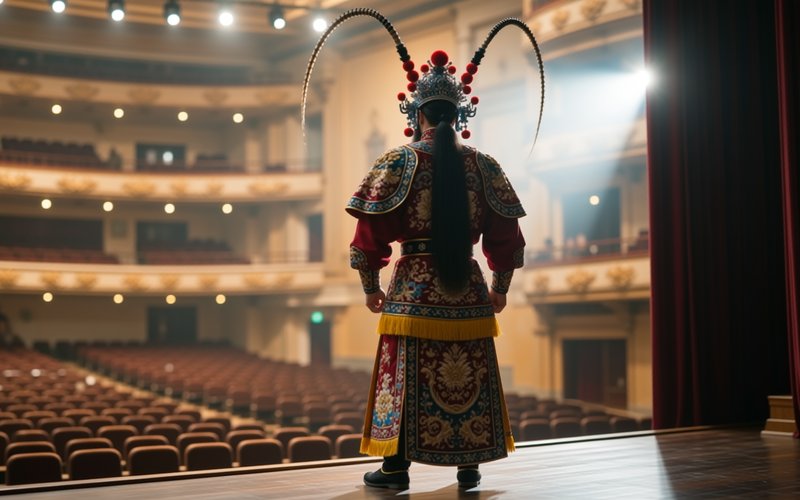
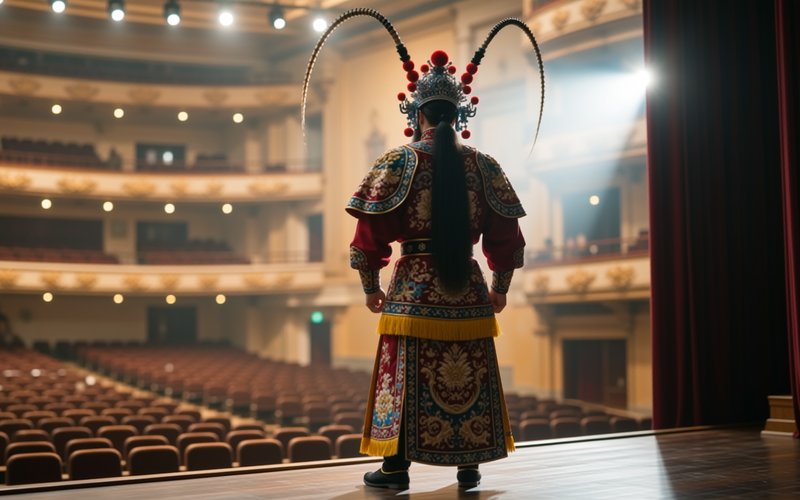
Peking Opera is the most famous style, developed in Beijing during the Qing Dynasty. It features four role types: Sheng (male), Dan (female), Jing (painted face), and Chou (clown). Performances include singing in falsetto, acrobatic fighting, and symbolic movements. Famous operas include "Farewell My Concubine" and "The Drunken Concubine."
Face Painting (Lianpu)
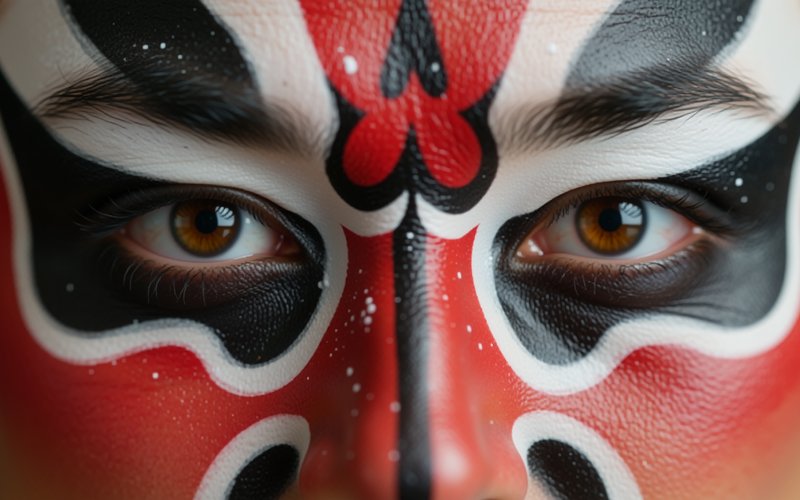
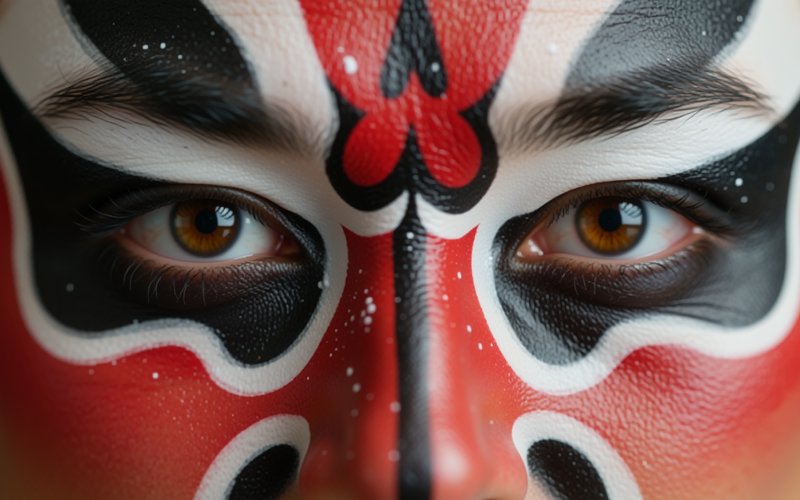
Facial makeup in Chinese opera uses specific colors to indicate character traits: Red for loyalty and bravery, Black for integrity, White for treachery, Blue for stubbornness, and Gold/Silver for gods and demons. The patterns are highly stylized and take hours to apply. Face painting is an art form in itself.
Regional Opera Styles
Kunqu Opera: The oldest surviving form, known for elegant, refined performances. Yue Opera: Popular in Zhejiang, featuring all-female casts. Sichuan Opera: Famous for face-changing (bian lian) technique. Cantonese Opera: Influenced the cinema of Hong Kong, China. Each region developed unique musical instruments, vocal styles, and story repertoires.
Experiencing Chinese Opera
Beijing: Liyuan Theatre and Chang'an Grand Theatre offer regular Peking Opera performances with English subtitles. Shanghai: Yifu Theatre presents Yue Opera. Chengdu: Shufeng Yayun Teahouse features Sichuan Opera with face-changing. Many performances last 2-3 hours; arrive early for the full experience.
Quick Facts
- • Peking Opera was inscribed as UNESCO Intangible Cultural Heritage in 2010
- • Face-changing can involve changing masks up to 20 times in seconds
- • Opera performers train for 10+ years to master the art
- • There are over 300 regional opera styles in China
- • The orchestra uses traditional instruments like erhu, pipa, and gongs
Experience This in Person
Our tours include authentic cultural experiences — tea ceremonies, cooking classes, kung fu shows, and more.
Plan My Cultural Journey
Experience Chinese Culture in Person
From tea ceremonies and calligraphy workshops to Shaolin kung fu and palace visits — our private tours bring these traditions to life.