
Traditional Chinese Music: Instruments and Melodies
The sounds of China — guqin, pipa, erhu, and the philosophy behind traditional Chinese musical scales and compositions.
Philosophy of Chinese Music
Traditional Chinese music emphasizes melody over harmony, using pentatonic scales (five notes). Music was considered essential for moral cultivation and social harmony. Confucius believed proper music could govern society. Instruments are classified by material: silk (strings), bamboo (winds), wood, stone, metal, clay, gourd, and skin (drums).
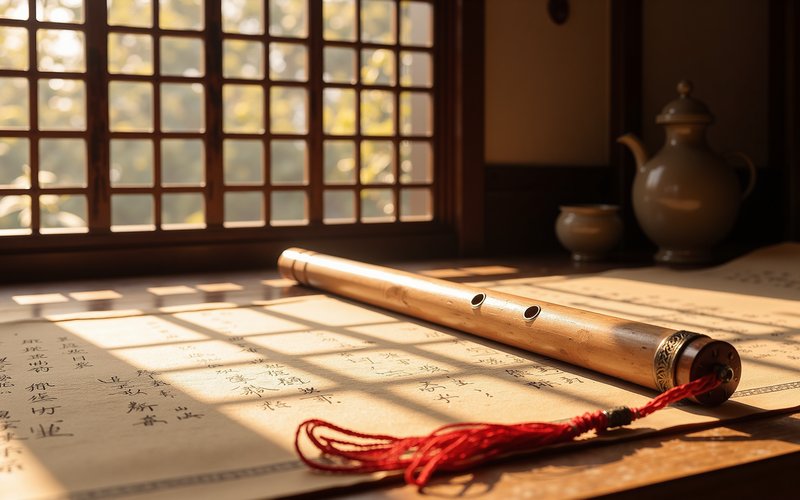
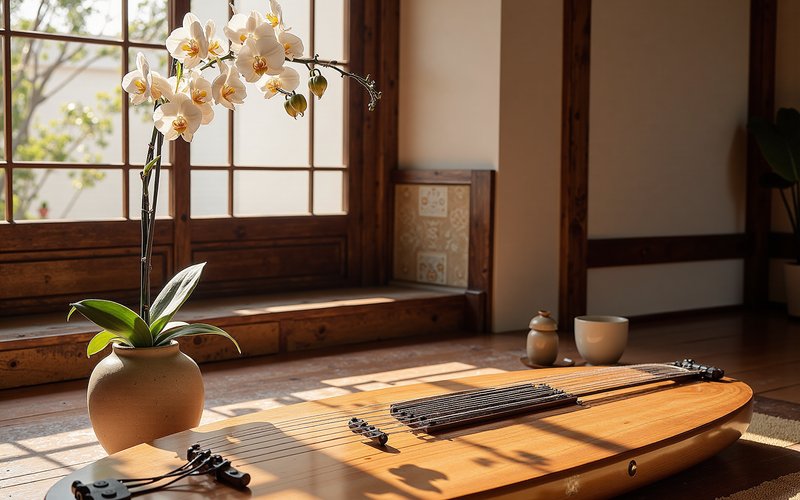
Guqin (Seven-String Zither)
The guqin is China's most prestigious instrument, associated with scholars and literati. It has seven strings and no bridges, producing subtle, meditative tones. Playing the guqin requires years of study. Famous pieces include "Flowing Water" and "Wild Geese Descending on the Sandbank." The guqin was inscribed as UNESCO Intangible Cultural Heritage in 2003.
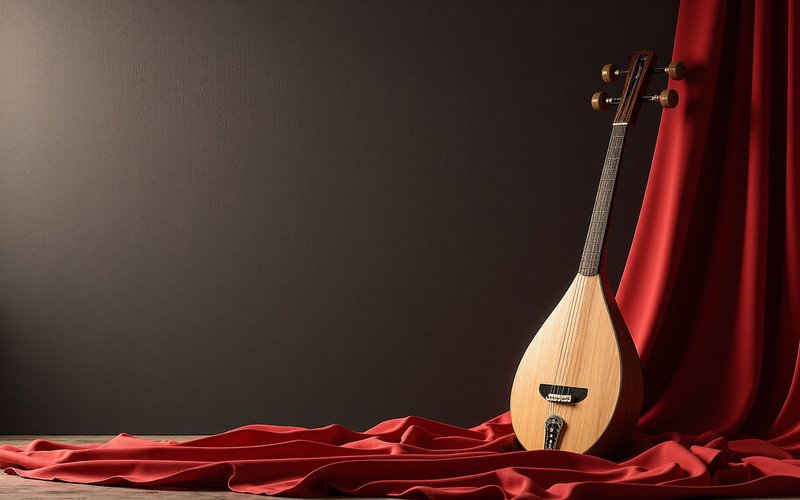
Pipa (Chinese Lute)
The pipa is a pear-shaped lute with four strings, played vertically. It produces bright, percussive tones and can mimic battle scenes, rain, and natural sounds. Famous pieces include "Ambush from Ten Sides" and "Moonlit Night on the Spring River." Pipa solos are dramatic and technically demanding, requiring rapid finger plucking.
Erhu (Two-String Fiddle)
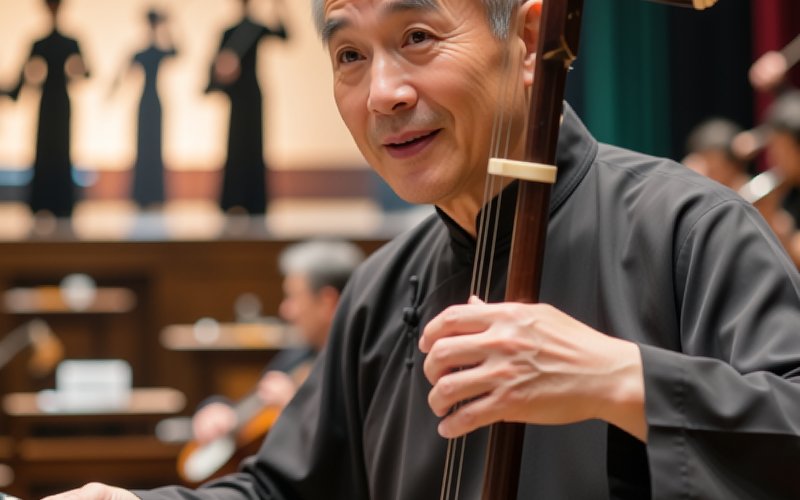
The erhu is a bowed string instrument with two strings and a small resonator covered with snake skin. It produces a haunting, vocal-like tone. Despite having only two strings, skilled players can express a wide emotional range. The erhu is featured in solo concerts, orchestras, and opera accompaniment. It's one of China's most recognizable instruments.
Experiencing Chinese Music
Beijing: National Centre for the Performing Arts hosts traditional concerts. Shanghai: Shanghai Chinese Orchestra performs regularly. Suzhou: Pingtan storytelling combines music and narrative. Many teahouses feature live traditional music. Festivals like the Beijing International Music Festival showcase both traditional and fusion performances.
Quick Facts
- • Chinese music uses pentatonic (five-note) scales
- • The guqin has been played for over 3,000 years
- • The erhu has only two strings but wide expressive range
- • Traditional instruments are classified by eight materials
- • Music was considered essential for moral cultivation in Confucian thought
Experience This in Person
Our tours include authentic cultural experiences — tea ceremonies, cooking classes, kung fu shows, and more.
Plan My Cultural Journey

Experience Chinese Culture in Person
From tea ceremonies and calligraphy workshops to Shaolin kung fu and palace visits — our private tours bring these traditions to life.