
Chinese Embroidery: Four Famous Styles
The art of Chinese embroidery — Suzhou, Hunan, Guangdong, and Sichuan styles, techniques, and masterpieces.
History of Chinese Embroidery
Chinese embroidery has a 4,000-year history, with archaeological evidence from the Warring States period (475-221 BC). It was initially used for clothing decoration, then evolved into independent art. Imperial workshops produced exquisite pieces for the court. Embroidery symbolized status, with dragons and phoenixes reserved for royalty.
Suzhou Embroidery (Su Xiu)
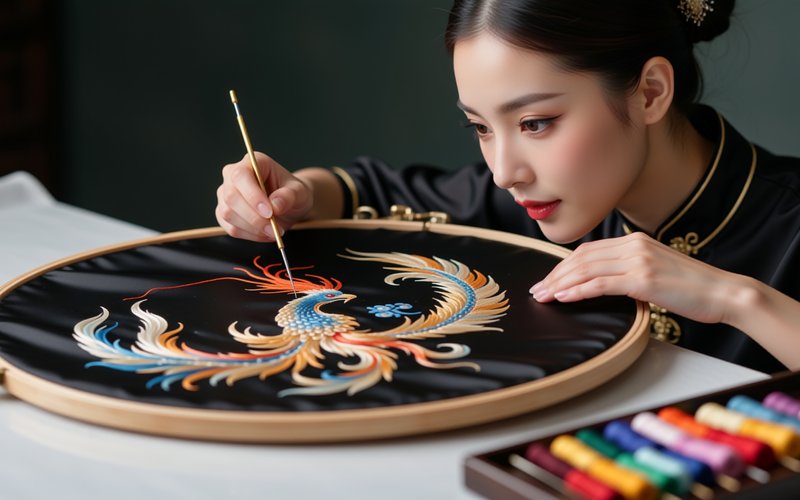
Su Xiu is the most refined style, known for delicate stitches and subtle color gradations. Masters split silk threads into 48 strands for incredible detail. Common subjects: flowers, birds, landscapes, and cats. Double-sided embroidery shows different images on each side. A large piece can take 2-3 years to complete. Prices range from ¥1,000 to ¥100,000+.
Hunan Embroidery (Xiang Xiu)
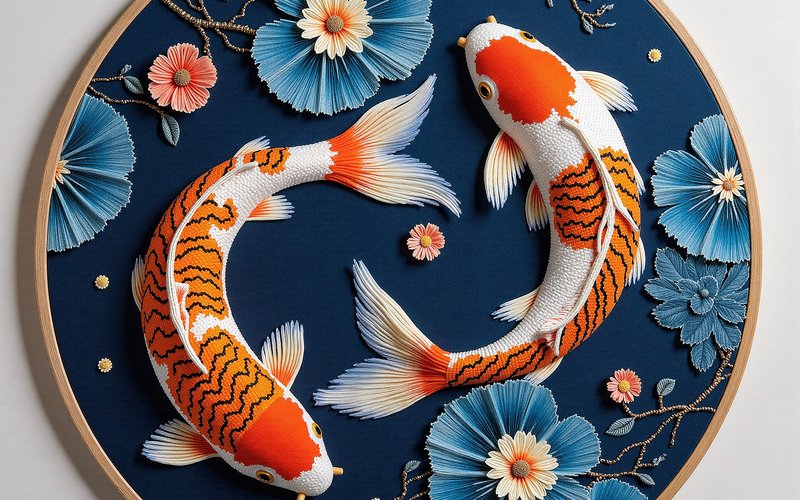
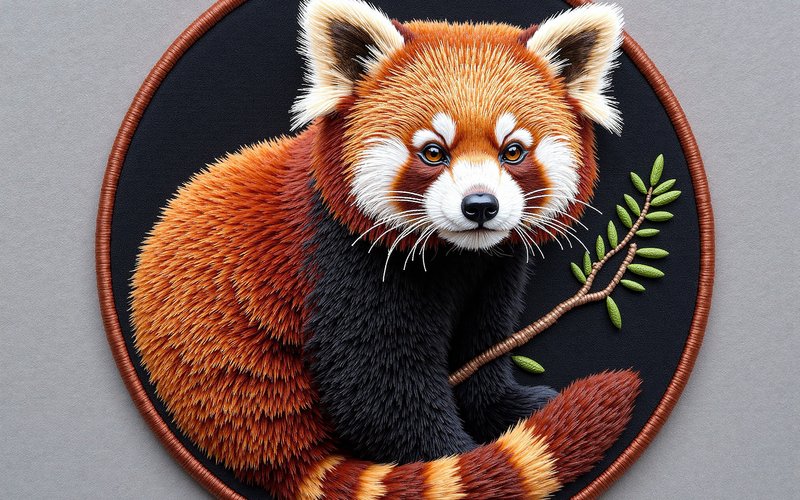
Xiang Xiu features bold colors and realistic depictions of tigers, lions, and portraits. Artists use over 100 needle techniques. Tiger embroidery is particularly famous — fur appears three-dimensional with lifelike eyes. The style emphasizes texture and depth. Hunan embroiderers often work from photographs, achieving photographic realism.
Guangdong Embroidery (Yue Xiu)
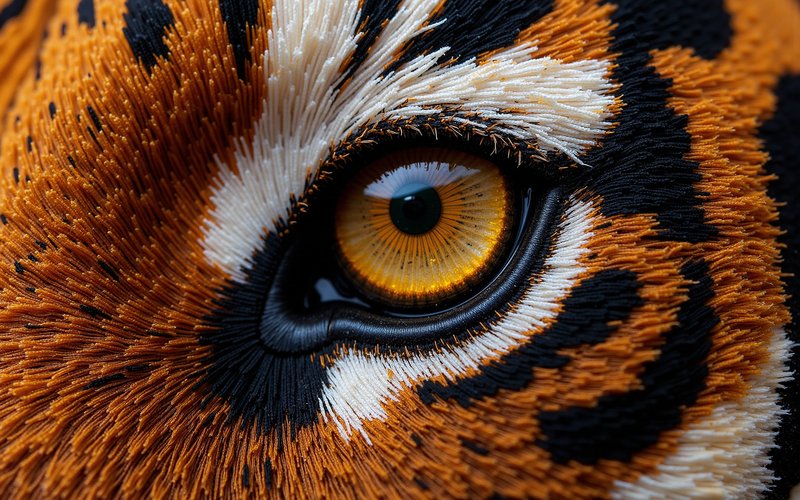
Yue Xiu incorporates gold and silver threads, creating luxurious effects. It features peacocks, lychees, and southern flora. The style is vibrant and decorative, suitable for clothing and home furnishings. Cantonese opera costumes use Yue Xiu extensively. The technique influenced Southeast Asian embroidery traditions through trade.
Sichuan Embroidery (Shu Xiu)
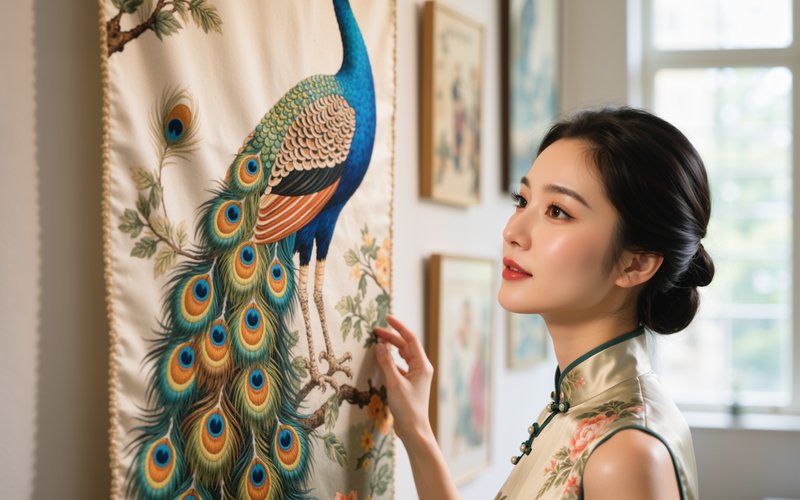
Shu Xiu is known for carp and panda motifs, reflecting local wildlife. The style uses smooth, flat stitches with bright colors. Carp embroidery symbolizes perseverance (swimming upstream). Panda pieces are popular souvenirs. Sichuan embroiderers also create practical items like pillowcases and tablecloths with traditional patterns.
Quick Facts
- • Suzhou embroidery can split thread into 48 strands
- • A master embroiderer trains for 10+ years
- • Double-sided embroidery shows different images on each side
- • Embroidery was a required skill for noble women
- • The four styles represent different regional aesthetics
Experience This in Person
Our tours include authentic cultural experiences — tea ceremonies, cooking classes, kung fu shows, and more.
Plan My Cultural Journey
Experience Chinese Culture in Person
From tea ceremonies and calligraphy workshops to Shaolin kung fu and palace visits — our private tours bring these traditions to life.