
Chinese Pottery: From Neolithic to Modern Ceramics
The evolution of Chinese pottery — earthenware, stoneware, terracotta warriors, and contemporary ceramic art.
Neolithic Pottery
China's pottery tradition dates to 10,000 BC. Early Neolithic cultures produced painted pottery with geometric patterns. The Yangshao culture (5000-3000 BC) created distinctive red pottery with black designs. The Longshan culture developed wheel-thrown black pottery. These early works demonstrate sophisticated firing techniques and artistic sensibility.
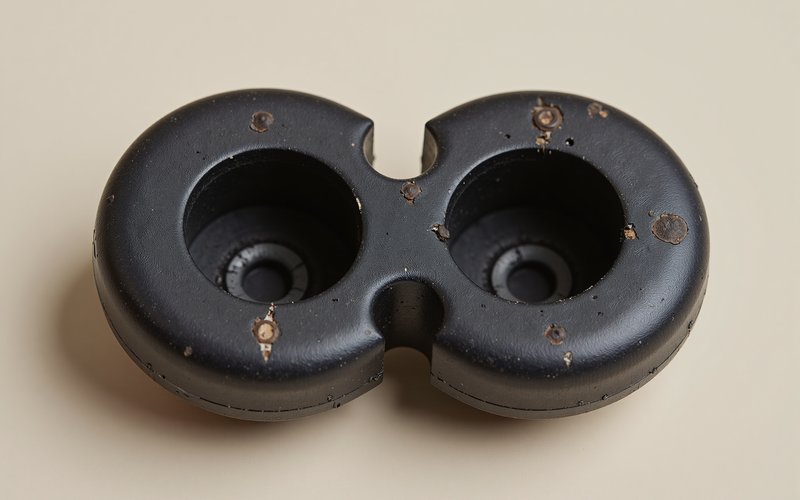
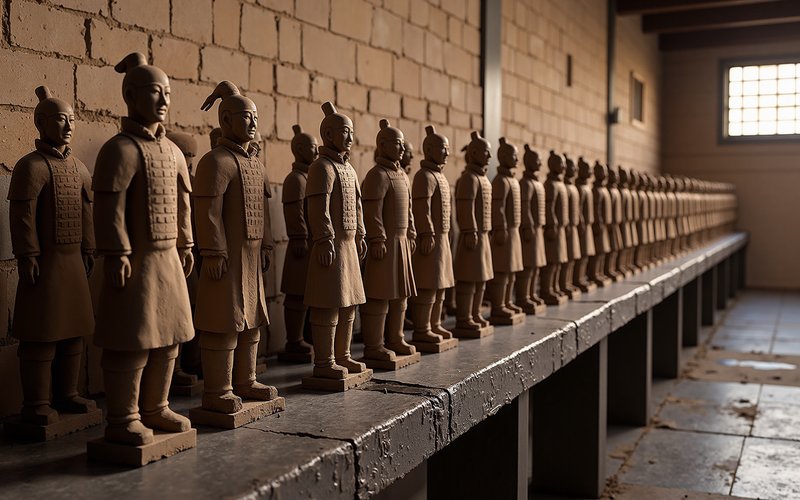
Terracotta Warriors
Discovered in 1974 near Xi'an, the Terracotta Army consists of over 8,000 life-sized soldiers, horses, and chariots buried with Emperor Qin Shi Huang (210 BC). Each warrior has unique facial features, hairstyles, and armor details. They were originally painted in bright colors. The site is one of archaeology's greatest discoveries and a UNESCO World Heritage Site.
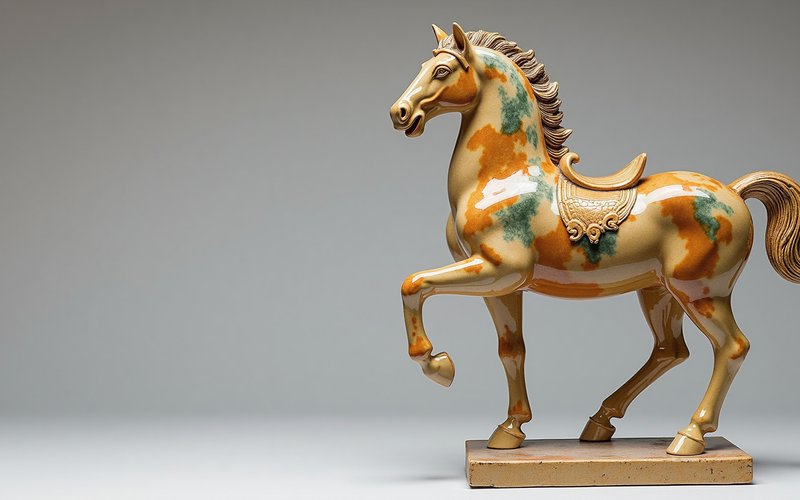
Tang Dynasty Sancai
Sancai (three-color) glaze flourished during the Tang Dynasty (618-907). It uses lead-based glazes in amber, green, and cream colors. Figurines depict horses, camels, musicians, and foreigners, reflecting the cosmopolitan Tang capital Chang'an. Sancai pieces were burial objects, not daily use items. The vibrant colors and dynamic forms capture Tang vitality.
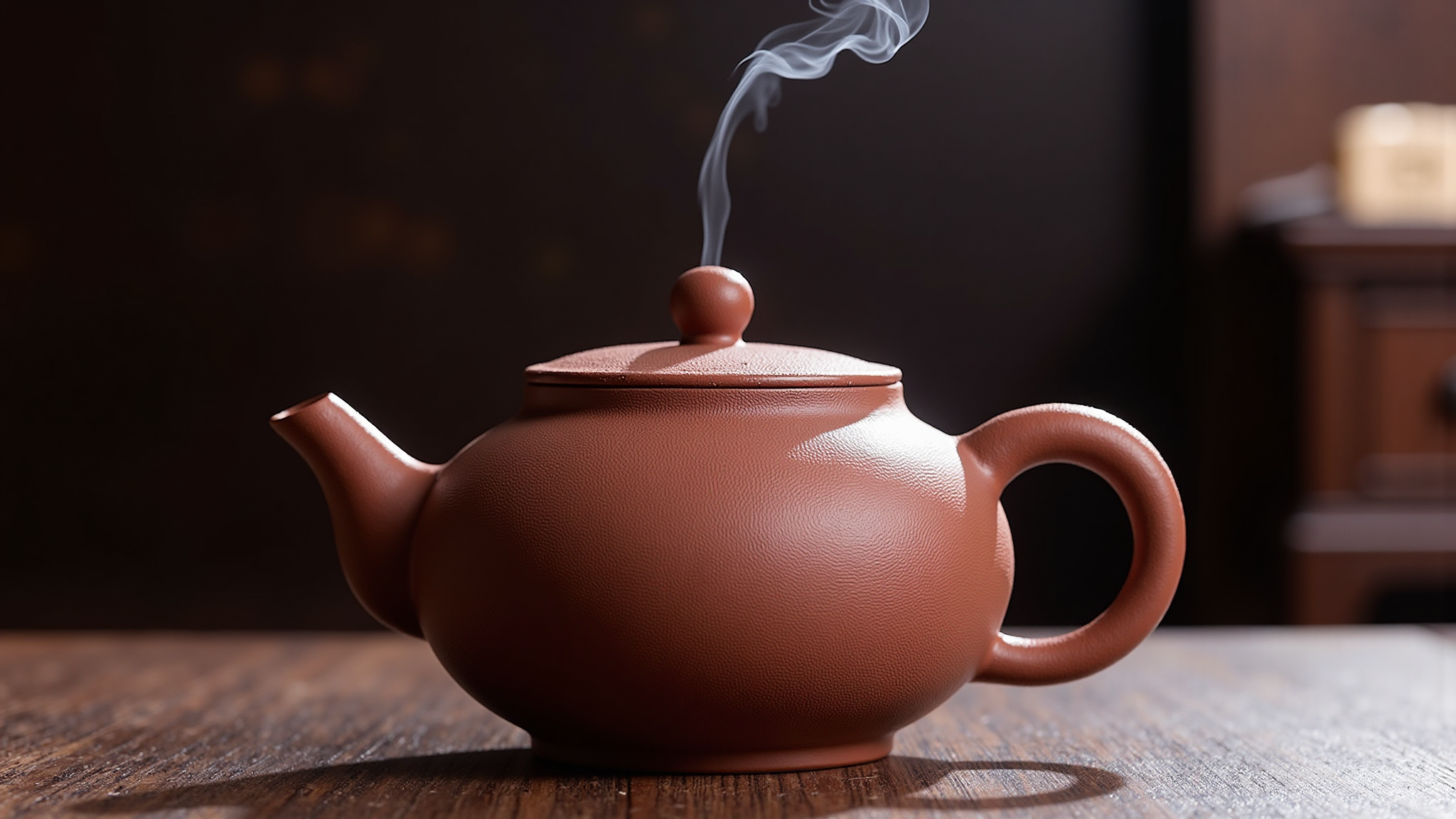
Yixing Zisha Teapots
Yixing clay teapots from Jiangsu Province are prized for brewing tea. The porous zisha clay absorbs tea flavors, improving with use. Teapots are unglazed, showcasing the clay's natural color (purple, red, or green). Master potters sign their works. Authentic Yixing teapots cost ¥500-10,000+. Collectors value antique pieces highly.
Contemporary Ceramic Art
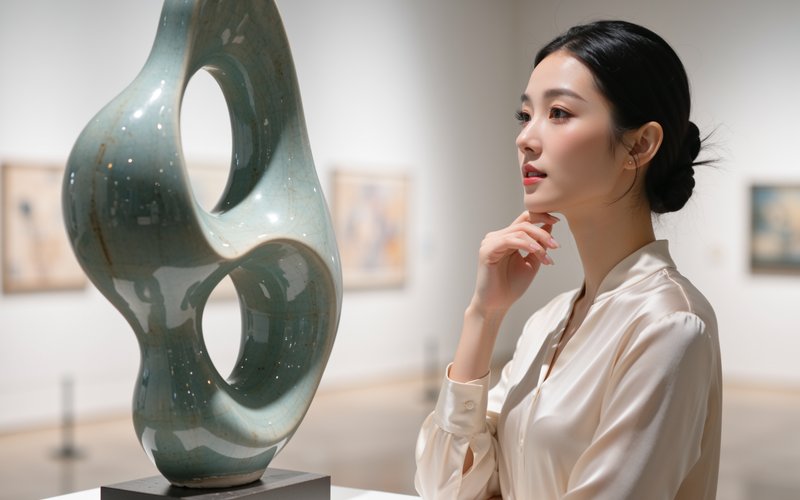
Modern Chinese ceramists blend traditional techniques with contemporary aesthetics. Jingdezhen hosts international artist residencies. Artists experiment with form, glaze, and firing methods. Galleries in Beijing, Shanghai, and Jingdezhen exhibit innovative works. Ceramic art bridges China's ancient heritage with global contemporary art movements.
Quick Facts
- • The Terracotta Army took 38 years and 700,000 workers to create
- • Each terracotta warrior has a unique face
- • Yixing teapots improve flavor with repeated use
- • Sancai glazes contain lead and are not food-safe
- • Chinese pottery predates porcelain by 8,000 years
Experience This in Person
Our tours include authentic cultural experiences — tea ceremonies, cooking classes, kung fu shows, and more.
Plan My Cultural Journey
Experience Chinese Culture in Person
From tea ceremonies and calligraphy workshops to Shaolin kung fu and palace visits — our private tours bring these traditions to life.