
Chinese Silk: From Silkworm to Luxury Fabric
The legendary history of Chinese silk — sericulture, the Silk Road, Suzhou embroidery, and where to buy authentic silk products.
Discovery of Silk
According to legend, Empress Leizu discovered silk around 2700 BC when a cocoon fell into her tea and unraveled. Archaeological evidence confirms silk production in China dates to at least 3630 BC. For 3,000 years, China maintained a monopoly on silk production, with the penalty for revealing the secret being death.
Sericulture Process
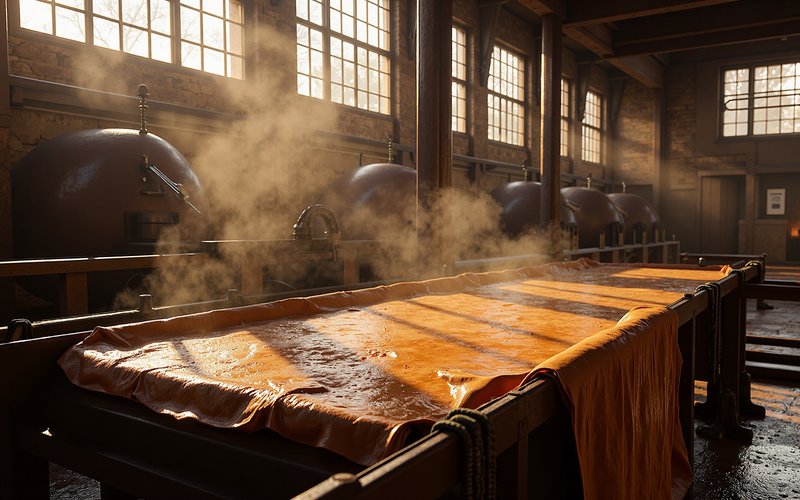
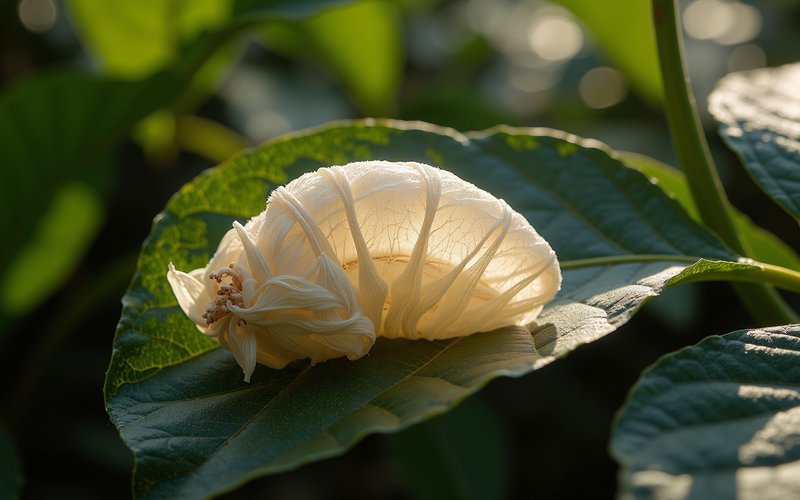
Silk comes from silkworms (Bombyx mori) that feed exclusively on mulberry leaves. Each worm spins a cocoon of a single thread up to 900 meters long. Cocoons are soaked in hot water to soften the sericin, then the threads are unwound and combined. It takes about 3,000 cocoons to make one pound of silk.
The Silk Road
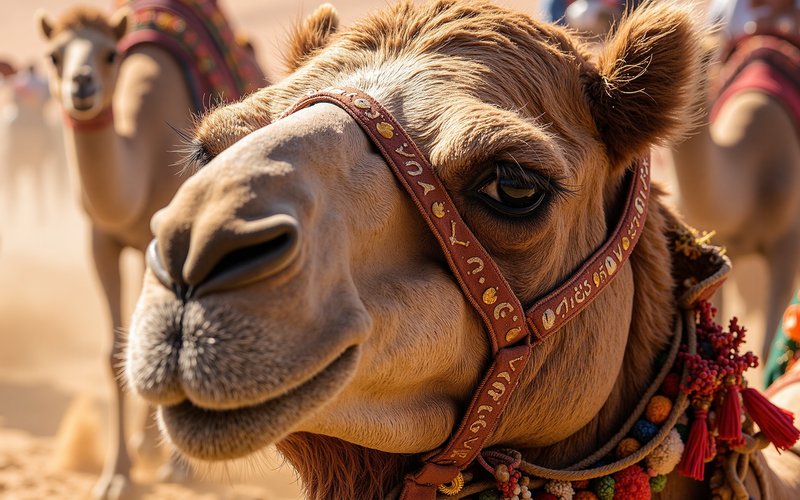
The Silk Road was a network of trade routes connecting China to the Mediterranean, named after the lucrative silk trade. Established during the Han Dynasty (206 BC - 220 AD), it facilitated not only commerce but also cultural exchange. Silk reached Rome, where it was worth its weight in gold. The road also transmitted Buddhism, technologies, and ideas.
Suzhou Embroidery
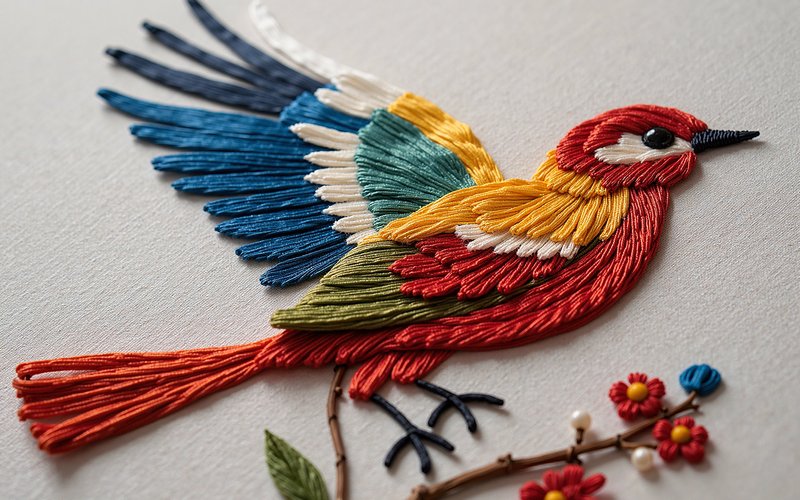
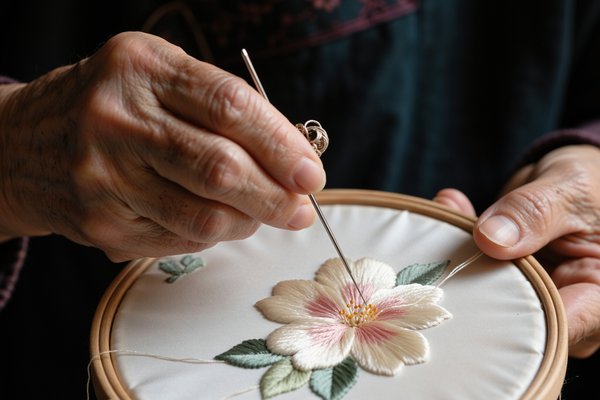
Suzhou embroidery (Su Xiu) is one of China's four famous embroidery styles. It features delicate stitches, subtle color gradations, and realistic depictions of flowers, birds, and landscapes. Master embroiderers can split a single silk thread into 48 strands for incredibly fine detail. A large piece can take years to complete.
Buying Silk in China
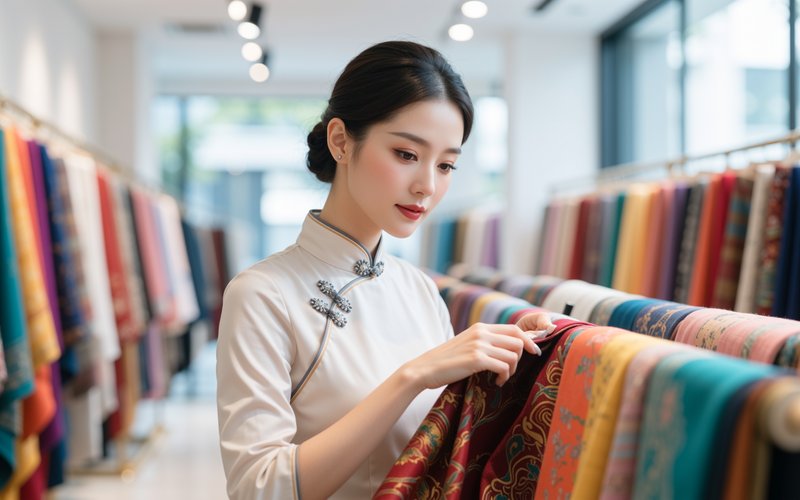
Suzhou and Hangzhou are the best places to buy silk. Look for 100% mulberry silk labels. Real silk feels smooth and cool, has a subtle sheen, and makes a rustling sound. Prices: scarves ¥100-500, bedding ¥500-3,000, clothing ¥300-2,000. Avoid suspiciously cheap "silk" — it's likely synthetic. Ask for certificates of authenticity.
Quick Facts
- • One silkworm produces about 900 meters of silk thread
- • It takes 3,000 cocoons to make one pound of silk
- • The Silk Road was over 6,400 kilometers long
- • Suzhou embroidery can split silk thread into 48 strands
- • Silk was once worth its weight in gold in ancient Rome
Experience This in Person
Our tours include authentic cultural experiences — tea ceremonies, cooking classes, kung fu shows, and more.
Plan My Cultural Journey
Experience Chinese Culture in Person
From tea ceremonies and calligraphy workshops to Shaolin kung fu and palace visits — our private tours bring these traditions to life.