
Chinese Porcelain: From Clay to Masterpiece
The story of Chinese porcelain — from ancient kilns to blue-and-white mastery, and where to buy authentic ceramics today.
History of Chinese Porcelain
China invented porcelain around 2,000 years ago during the Eastern Han Dynasty. The word "china" in English comes from this invention. Porcelain is made from kaolin clay fired at extremely high temperatures (1,200-1,400°C), creating a hard, translucent, white material. The technology remained a Chinese secret for centuries.
Jingdezhen: The Porcelain Capital
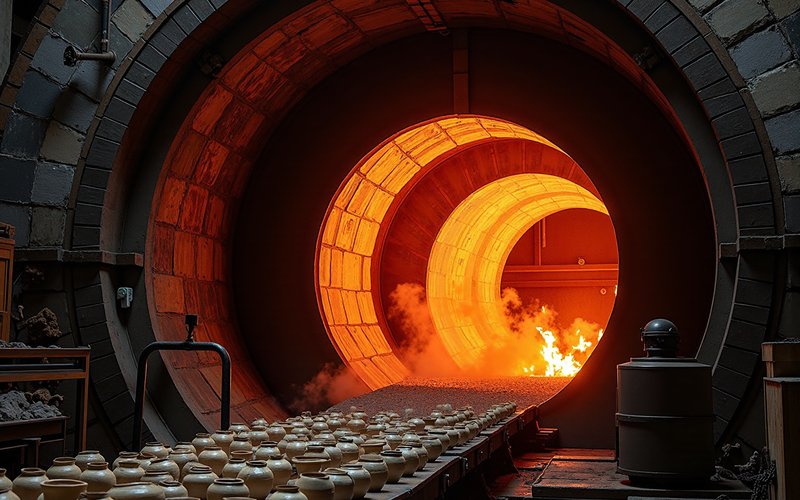
Jingdezhen in Jiangxi Province has been producing porcelain for over 1,700 years. During the Ming and Qing dynasties, it supplied porcelain to the imperial court. Today, visitors can watch artisans throw pots on wheels, paint intricate designs, and fire pieces in traditional kilns. The city hosts an international ceramic art festival annually.
Blue and White Porcelain
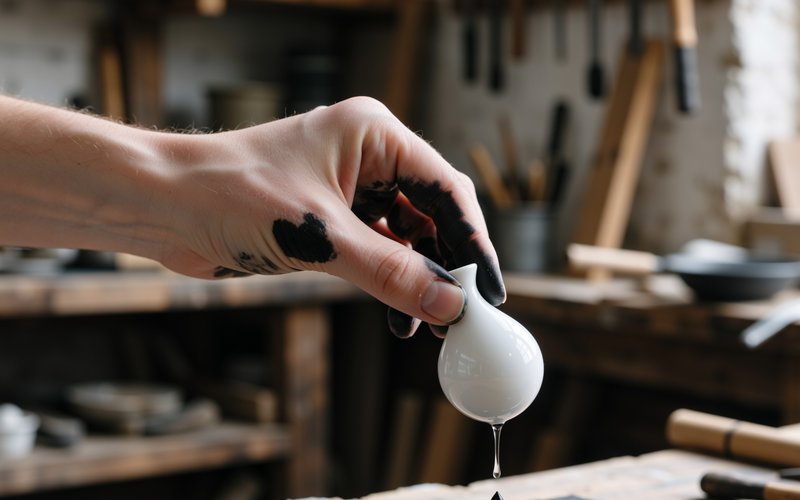
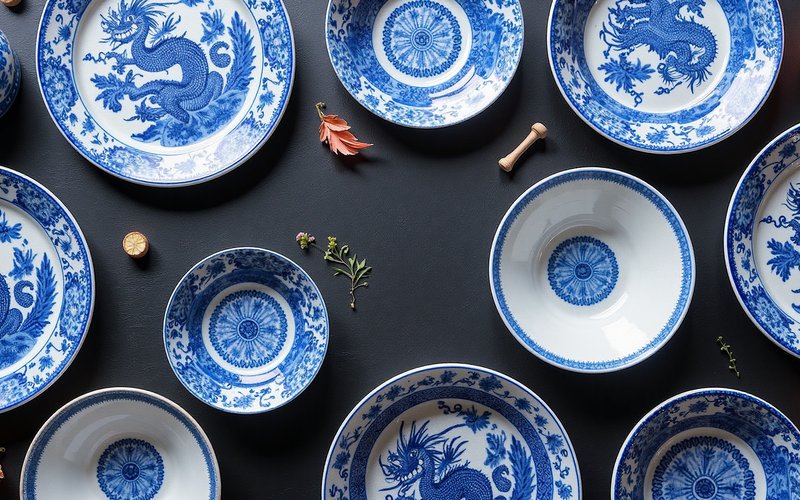
Blue and white porcelain reached its peak during the Ming Dynasty (1368-1644). Cobalt blue pigment from Persia was painted on white porcelain before glazing and firing. Famous patterns include dragons, phoenixes, flowers, and landscapes. Authentic Ming blue and white pieces sell for millions at auction. Modern reproductions are widely available.
Types of Chinese Ceramics
Celadon: Green-glazed pottery from Longquan, Zhejiang. Ru Ware: Rare sky-blue glaze from the Song Dynasty. Famille Rose: Pink-enamelled porcelain from the Qing Dynasty. Dehua White Porcelain: Pure white "blanc de Chine" from Fujian. Each type has distinct characteristics and historical significance.

Buying Porcelain in China
Jingdezhen offers the best selection and prices. Look for the maker's mark on the bottom. Authentic antique porcelain requires expert authentication. Modern artistic pieces make excellent souvenirs. Prices range from ¥50 for simple cups to ¥10,000+ for master works. Ask about shipping options for fragile items.
Quick Facts
- • China held the monopoly on porcelain production for 1,000 years
- • The term "china" comes from the country's name
- • Jingdezhen produced porcelain for the imperial court for 600 years
- • A single Ming vase sold for $22 million at auction in 2010
- • Porcelain making involves over 70 steps from clay to finished product
Experience This in Person
Our tours include authentic cultural experiences — tea ceremonies, cooking classes, kung fu shows, and more.
Plan My Cultural Journey
Experience Chinese Culture in Person
From tea ceremonies and calligraphy workshops to Shaolin kung fu and palace visits — our private tours bring these traditions to life.