
Chinese Fans: Folding Elegance and Cultural Expression
The art of Chinese fans — folding fans, round fans, painted designs, and how fans became symbols of refinement and status.
History of Chinese Fans
Fans appeared in China over 3,000 years ago, initially as ceremonial objects for royalty. Early fans were fixed (round or oval). Folding fans arrived from Japan during the Song Dynasty and became immensely popular. By the Ming Dynasty, fan painting reached artistic heights. Fans symbolized scholarly refinement and social status.
Types of Fans
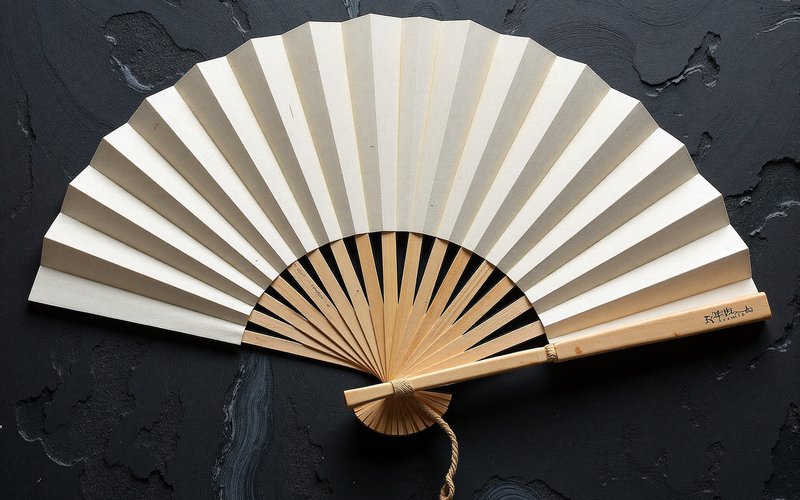
Round fans (tuanshan): Fixed circular shape, associated with women and palace ladies. Folding fans (zheshan): Portable, with bamboo or sandalwood ribs. Feather fans: Used by strategists like Zhuge Liang. Palm-leaf fans: Rustic, practical. Each type serves different functions and carries distinct cultural associations.

Fan Painting
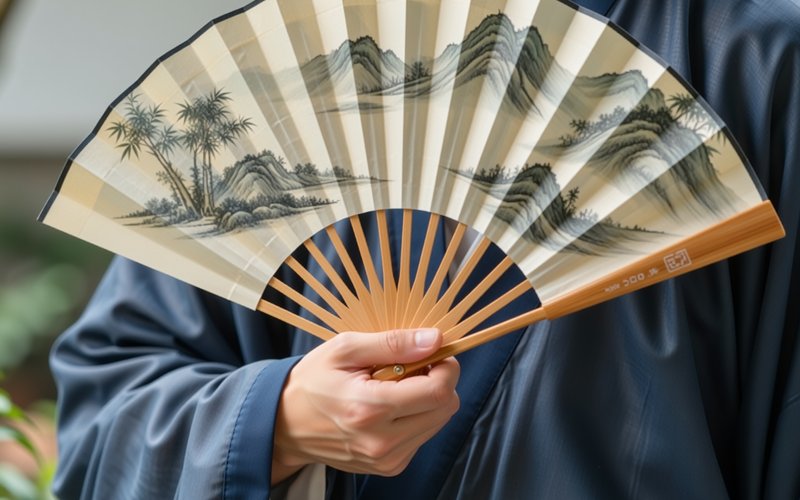
Scholars painted landscapes, flowers, birds, and calligraphy on fan surfaces. The curved format challenges composition skills. Famous painters created fan artworks as gifts. Collectors value antique painted fans. Modern artists continue the tradition, blending classical themes with contemporary styles. Fan painting exhibitions showcase this specialized art form.
Fan Making Centers
Hangzhou: Famous for black paper fans with gold paintings. Suzhou: Known for delicate silk fans with embroidery. Zigong (Sichuan): Produces bamboo-framed fans. Beijing: Palace-style fans with imperial motifs. Each center has distinct techniques and aesthetic traditions. Visitors can watch artisans craft fans and purchase authentic pieces.

Fans in Performance
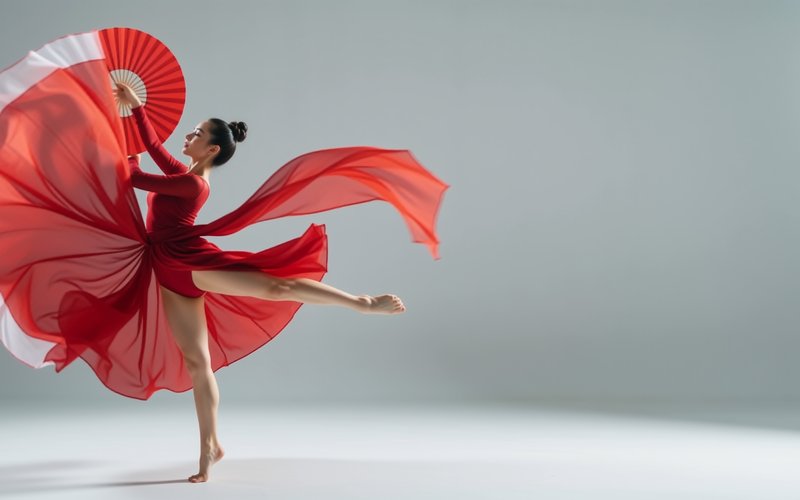
Opera performers use fans as props, expressing emotions through opening, closing, and waving motions. Classical dancers incorporate fans into choreography. Martial arts demonstrations feature fan techniques. The fan becomes an extension of the body, enhancing expressive power. Fan dances remain popular in cultural performances and tourist shows.
Quick Facts
- • Folding fans arrived from Japan during the Song Dynasty
- • Fan painting challenges artists with curved surfaces
- • Zhuge Liang's feather fan symbolizes wisdom
- • Hangzhou black paper fans are most famous
- • Fans were status symbols for scholars and officials
Experience This in Person
Our tours include authentic cultural experiences — tea ceremonies, cooking classes, kung fu shows, and more.
Plan My Cultural Journey
Experience Chinese Culture in Person
From tea ceremonies and calligraphy workshops to Shaolin kung fu and palace visits — our private tours bring these traditions to life.